
Beautiful Plants For Your Interior
Beautiful Plants For Your Interior
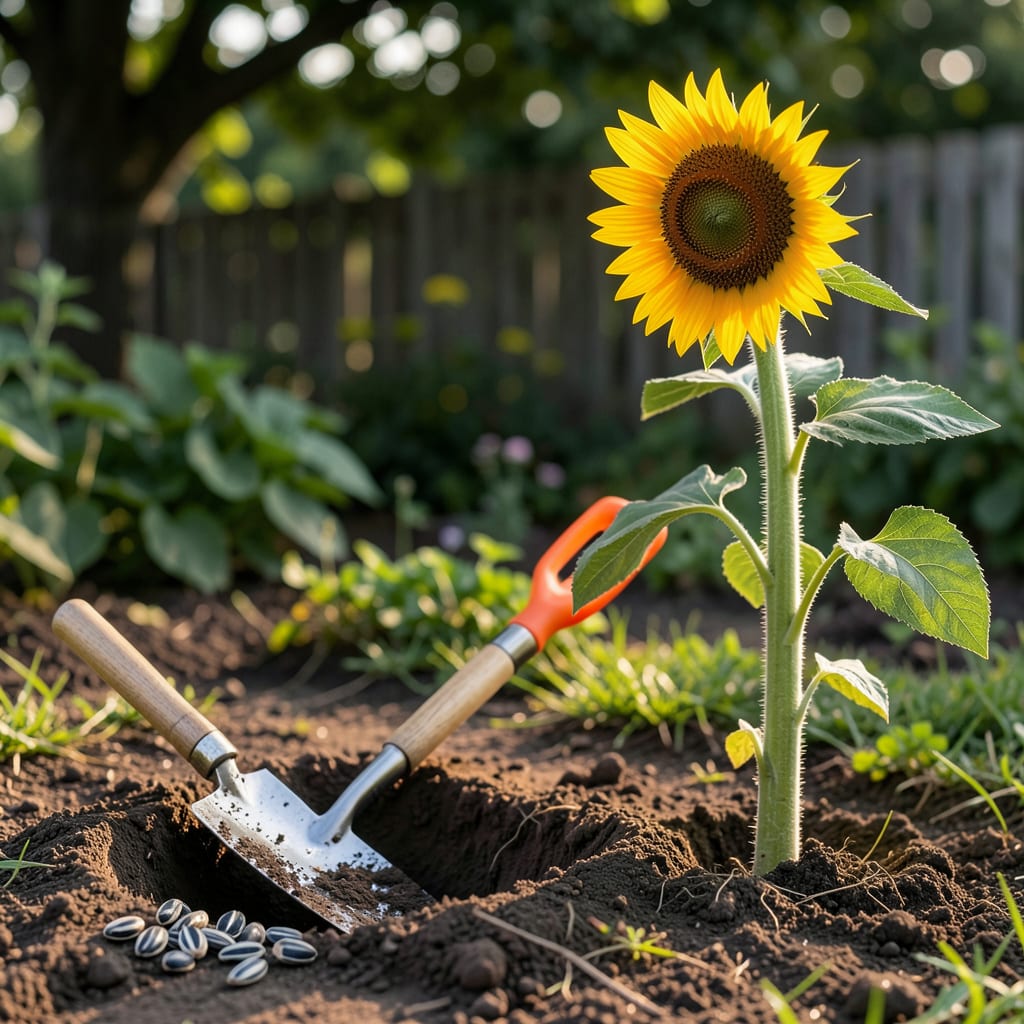
There’s nothing quite like watching a field of towering sunflowers sway in the Kentucky breeze—unless you’ve planted them at the wrong time. I’ve seen too many gardeners lose their crops to late frosts or miss the summer bloom because they guessed instead of planned.
Here’s the good news: Kentucky’s 6b-7a zones give you a clear window to get it right. Whether you’re aiming for giant varieties or quick-blooming types, I’ll show you exactly when to plant for those iconic golden faces—without the guesswork. Let’s dig in.
If you’ve ever dreamed of a backyard filled with towering Kentucky sunflowers, nailing the planting window is your first step. Our state’s USDA Zones 5b-7a mean frost dates vary—April 1 in Bowling Green to April 20 in the mountains. I always wait until soil temps hit 55°F before sowing seeds directly outdoors.
Kentucky’s humid summers and clay-heavy soil add another layer of planning. Early varieties like ‘Sunspot’ can go in by mid-April in Zone 7a, while giant ‘Mammoth’ types need the warmer early May soil of Zone 6b. Let’s break down the exact timing by region so you don’t gamble with your sunflower success.
🌱 Pro Tip: For succession planting, sow a new batch every 2-3 weeks until early July for continuous blooms through fall.
I’ve found that dwarf varieties like ‘Teddy Bear’ can handle slightly cooler soil, so I plant those 1-2 weeks earlier than my towering ‘Russian Giant’ seeds. If you’re in Zone 5b, consider starting seeds indoors 3-4 weeks before your last frost date to get a head start on our shorter growing season.
Soil prep matters just as much as timing. Kentucky’s clay soil can stay cold and wet longer, so I test soil temperature with a thermometer at 2-inch depth before planting. If it’s below 55°F, I wait—sunflower seeds will rot in cold, damp ground. A quick fix? Raise beds with compost-amended soil to warm faster.
For those in river valleys (like the Ohio River area), watch for microclimate variations. Low-lying spots may stay cooler, so I delay planting by 5-7 days compared to hilltop gardens. Conversely, urban heat islands in Louisville or Lexington might allow planting a week earlier than rural areas.
If you’re growing cutting sunflowers for bouquets, aim for early May plantings—this ensures peak blooms in July-August, when demand is highest. For seed production, I plant by June 1 so seeds mature before our October frosts. Remember: ‘Autumn Beauty’ varieties need 120 days, so plant them first!
One trick I swear by: black plastic mulch. Lay it down 2 weeks before planting to warm the soil 5-10°F faster. This is a game-changer in Zone 5b, where every degree counts. Just cut slits for seeds and water through the plastic—it also suppresses weeds!
Don’t forget about pollinator timing! If you’re planting for bees, stagger your sowing so blooms coincide with late summer nectar shortages (August-September). I mix early (‘Sunbright’) and late (‘Lemon Queen’) varieties to support pollinators all season long.
Finally, keep an eye on the 10-day forecast before planting. If nighttime temps will dip below 40°F, hold off—young sunflower seedlings can’t handle that chill. I’ve lost entire patches to a late April cold snap, so now I use floating row covers for early plantings in iffy weather
Even with perfect timing, some common sunflower mistakes can derail your Kentucky garden. I’ve seen firsthand how ignoring our state’s unique microclimates or misjudging soil conditions leads to stunted plants—or worse, no blooms at all. Let’s tackle the big three pitfalls.
First up: ignoring soil temperature. Kentucky’s clay-heavy soil warms slower than sandy loam, and planting too early in cold, wet ground causes seeds to rot. I always use a soil thermometer to confirm 55°F+ at 2-inch depth before sowing—no exceptions.
🌱 Pro Tip: In Zone 5b, add perlite to clay soil to prevent compaction and improve aeration.
Another big issue? Underestimating spacing for giant varieties. I once planted ‘Russian Giant’ seeds too close, and the 12-foot stalks toppled in a summer storm. Now I give them 3 feet of space and use bamboo stakes for support in windy areas like Western Kentucky.
Kentucky’s humid summers also mean fungal diseases can sneak up on sunflowers. I combat this by watering at soil level (never overhead) and spacing plants for airflow. If you notice powdery mildew, spray with neem oil at first sign—our high humidity makes it spread fast.
Lastly, don’t forget about pollinator timing. Planting all your sunflowers at once creates a short bloom window. Instead, I stagger plantings every 2-3 weeks through early July. This ensures continuous blooms for bees and butterflies during late summer’s nectar dearth.
For those in river valleys (like the Ohio River area), watch for flooding risks after heavy rains. I plant sunflowers on slight mounds or in raised beds to prevent waterlogged roots. In urban areas, heat islands can dry soil faster—mulch with straw to retain moisture.
If you’re growing for cut flowers, avoid the mistake of planting too late. ‘ProCut’ varieties need 60-70 days to mature, so I plant by May 15 for July 4th bouquets. For seed harvest, earlier plantings (by June 1) ensure seeds mature before our October frosts.
Want sunflowers blooming in your Kentucky garden from early summer through fall’s first frost? The secret is succession planting—staggering your sowings every 2-3 weeks to create a rolling wave of golden blooms. I’ve used this method to keep my garden (and local pollinators) happy for months.
In Kentucky’s Zones 6b-7a, I start my first batch in mid-April (after last frost) and continue planting until early July. This ensures fresh blooms just as earlier plants fade. For cut flowers, I focus on varieties like ‘ProCut Orange’ that mature in 60-70 days.
Batch 1 (April 15-30): ‘Sunbright’ or ‘Moulin Rouge’ for early summer blooms.
Batch 2 (May 10-20): ‘Autumn Beauty’ for late summer color.
Batch 3 (June 10-20): ‘Lemon Queen’ for fall pollinators.
Batch 4 (July 1-10): Fast-maturing ‘Teddy Bear’ for late-season joy.
⏰ Pro Tip: Mark your calendar to plant every 14-21 days for seamless bloom overlap! 🌼
For pollinator support, I prioritize late-summer plantings (July 1) when other flowers wane. Varieties like ‘Lemon Queen’ bloom in 70-80 days, providing critical nectar during August’s nectar dearth. Bees and butterflies will thank you!
In Western Kentucky (Zone 7a), our longer season lets me squeeze in an extra batch. I plant ‘Flash Blend’ by July 15 for October blooms. In cooler Zone 5b, I stop by July 1 to ensure seeds mature before frost. Always check your local frost dates!
To extend blooms even further, I deadhead spent flowers on early batches. This won’t produce new blooms (sunflowers are annuals), but it keeps plants looking tidy while later plantings take center stage. For seed harvest, I leave the final batch’s heads intact to mature naturally.
Remember: Water consistently during germination (about 1 inch per week), but ease up as plants mature. Kentucky’s summer rains often handle watering for me, but I check soil moisture weekly—especially in drought-prone August. Mulch helps retain moisture between plantings.
In Zone 7a (Western KY), you can start as early as April 10 after the last frost. For Zone 6b (Lexington/Louisville), wait until April 15, and in Zone 5b (Eastern Mountains), hold off until May 1. Always check soil temperature—it must be 55°F+ at 2-inch depth.
Yes! In Zones 6b-7a, plant fast-maturing varieties like ‘Teddy Bear’ by July 1 for late-season blooms. In Zone 5b, stick to early July plantings to ensure seeds mature before the first frost. Choose varieties with 60-70 day maturity for best results.
Use floating row covers or cloches if a late frost threatens after planting. For extra protection, cover seedlings with mulch or straw overnight. In Zone 5b, consider starting seeds indoors 3-4 weeks before transplanting.
Dwarf varieties like ‘Sunspot’ can go in 1-2 weeks earlier than giants like ‘Mammoth’. Early bloomers need 60 days to mature, while late-season types (like ‘Autumn Beauty’) require 120 days. Always check seed packets for specifics.
Amend heavy clay with compost or aged manure to improve drainage. For faster warming, use black plastic mulch laid 2 weeks before planting. In low-lying areas, plant on slight mounds to prevent waterlogging. A soil thermometer is your best tool!
