
Beautiful Plants For Your Interior
Beautiful Plants For Your Interior
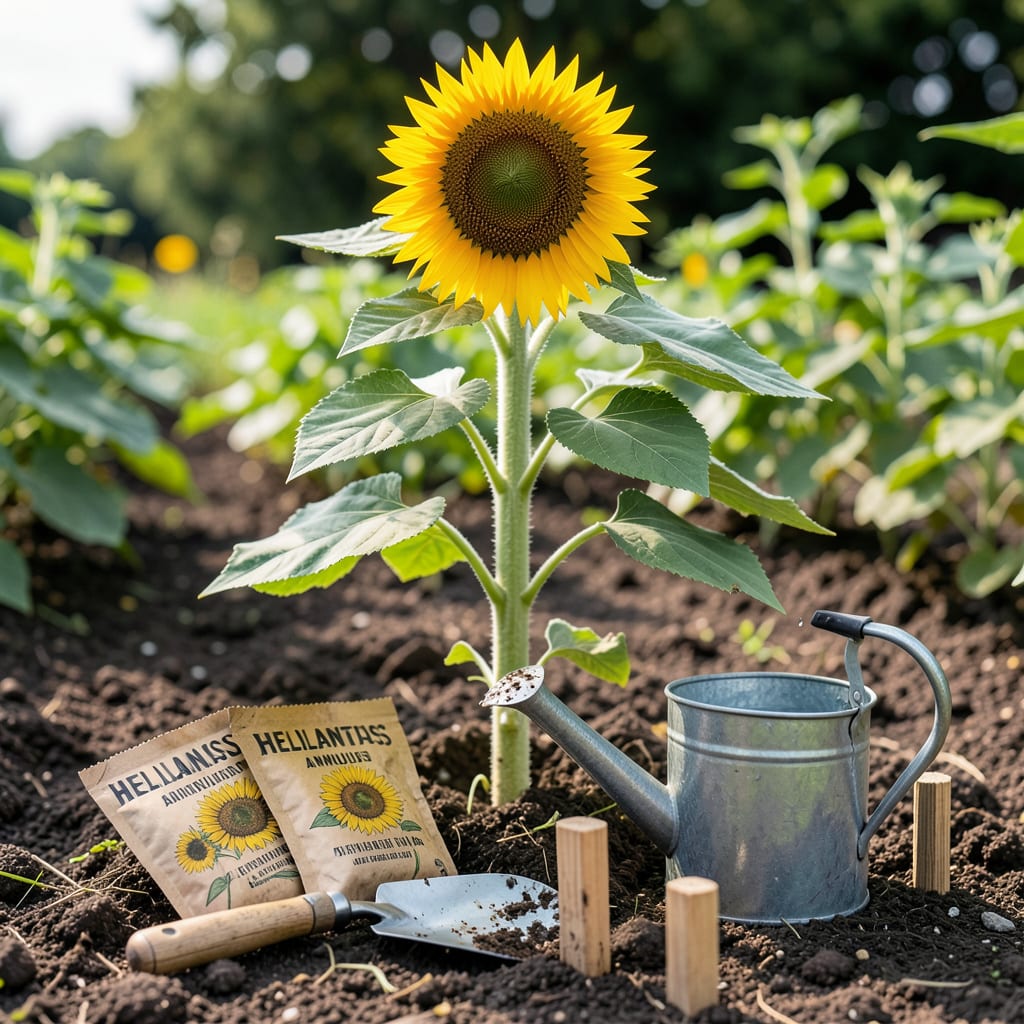
If you’ve ever dreamed of fields of golden 🌻 sunflowers swaying in the Kansas breeze, timing your planting is everything. Plant too soon, and a late frost could wipe out your seeds. Wait too long, and you’ll miss that perfect window for towering, vibrant blooms.
Kansas gardeners know our weather can be unpredictable, but I’ve got the inside scoop on nailing that ideal planting moment. Whether you’re in Wichita or near the Nebraska border, I’ll show you exactly how to work with our state’s unique climate for sunflowers that steal the show.
Kansas gardeners know our state isn’t just one big planting zone—it’s a patchwork of microclimates. From the humid eastern counties to the drier western plains, your sunflower planting window shifts dramatically. The golden rule? Wait until soil temps hit 55-60°F—usually 2-3 weeks after our last frost date.
In most of Kansas (USDA Zones 5-7), that sweet spot lands between late April and early May. But here’s the kicker: if you’re up near Nebraska, you’ll plant later than folks in Wichita. I’ll break down exactly when to get those seeds in the ground for your specific corner of the Sunflower State.
For giant sunflower varieties like ‘Mammoth’ or ‘Russian Giant’, I recommend planting on the earlier side of these windows. These behemoths need every possible growing day to reach their 12-foot potential. Smaller varieties like ‘Teddy Bear’ or ‘Sunspot’ can go in a week or two later.
Here’s my pro tip: Check your local soil temperature rather than just relying on calendar dates. Kansas springs can be fickle—one year we’re in shorts by April, the next we’re scraping ice off windshields. I use a simple $10 soil thermometer to take the guesswork out of planting.
If you’re itching to get started earlier, you can begin seeds indoors 2-3 weeks before your last frost date. Just be sure to use biodegradable pots to avoid disturbing those sensitive sunflower roots during transplanting. Remember, sunflowers hate root disturbance—they’ll sulk for weeks if their roots get damaged.
Western Kansas gardeners, I’m talking to you—your drier conditions mean you’ll want to plant slightly deeper (about 1.5 inches) to help seeds retain moisture. And consider drought-tolerant varieties like ‘Lemon Queen’ or ‘Moulin Rouge’ that can handle our occasional summer dry spells.
Don’t forget about our famous Kansas winds! If you’re planting in an exposed area, consider staking young plants or creating a windbreak. I’ve seen too many promising sunflower stalks snap in those April gusts that can top 40 mph.
For those in urban areas like Kansas City or Wichita, you might enjoy a slightly longer growing season thanks to the urban heat island effect. Take advantage by planting a second succession in early June for late summer blooms. Just be sure they’ll have time to mature before our first fall frost.
No matter where you are in Kansas, the key is watching both your calendar and your soil. When that thermometer reads 55°F at 2 inches deep and we’re past our average last frost, it’s go time. Get those seeds in the ground, keep them moist, and you’ll be rewarded with sunflowers that would make Van Gogh jealous! 🌻
Getting your sunflower timing right in Kansas means working with our state’s unique seasonal rhythm. From pre-planting prep in late winter to those glorious summer blooms, each month brings important tasks. I’ve broken down exactly what to do when, so you’ll never miss a beat in the sunflower growing cycle.
Remember, Kansas weather loves to keep us on our toes! One year we’re dealing with late spring frosts, the next we’re in drought by June. That’s why I always recommend keeping a gardening journal to track your local conditions year to year. Now let’s dive into your month-by-month game plan for spectacular sunflowers. 🌻
For eastern Kansas gardeners dealing with higher humidity, be extra vigilant about fungal diseases like powdery mildew. I recommend morning watering only and giving plants plenty of air circulation. Western Kansas folks, your bigger challenge is usually drought stress, so mulch heavily with straw to conserve moisture.
If you’re growing sunflowers for cut flowers, plan to plant a new batch every 2-3 weeks until early July. This succession planting technique ensures you’ll have fresh blooms from mid-summer through fall. I love using varieties like ‘ProCut Orange’ or ‘Sunrich Orange’ for their long stems and vibrant colors that hold up well in arrangements.
Don’t forget about our Kansas winds when planning your sunflower patch! I’ve had the best luck planting in sheltered locations or using a windbreak of taller plants like corn or sorghum. For exposed areas, choose shorter, sturdier varieties like ‘Soraya’ or ‘Valentine’ that can handle our gusty conditions better than the giant types.
One of my favorite Kansas-specific tricks is using drip irrigation for sunflowers. Our summer winds can dry out soil quickly, and overhead watering often leads to wasted water. A simple soaker hose system delivers moisture right to the roots while conserving water—a big plus in our often-dry climate. Plus, it keeps those beautiful blooms dry, reducing disease risks. 💧
As your sunflowers grow, keep an eye out for common Kansas pests like grasshoppers and sunflower moths. I’ve found that floating row covers work wonders for young plants, and introducing beneficial insects like ladybugs can help control aphid populations naturally. Remember, healthy plants are your best defense against pests!
Planning your sunflower season in Kansas means working with our state’s distinct seasons—from frosty springs to scorching summers. I’ve broken down exactly what to do each month to ensure your sunflowers not only survive but thrive spectacularly in our Kansas climate.
Remember, our growing season typically runs from mid-April to mid-October, giving us about 165 frost-free days. That’s plenty of time for most sunflower varieties to grow, bloom, and even produce seeds if that’s your goal. Let’s make every month count! 🌻
Test your soil pH (aim for 6.0-7.5) and work in 2-3 inches of compost. Order seeds of Kansas-proven varieties like ‘Mammoth’ or ‘Autumn Beauty’. Start giant varieties indoors 4-6 weeks before last frost using biodegradable pots to avoid root shock later.
Once soil reaches 55°F at 2″ depth (usually after April 15 in most areas), plant seeds 1″ deep and 6″ apart. Water gently but thoroughly. In windy areas, create temporary windbreaks with burlap or plant near fences. Watch for late frosts—be ready with frost blankets if temps dip below 32°F.
Your sunflowers should sprout in 7-14 days. Thin seedlings to 12-18″ apart (24″ for giants). Apply balanced fertilizer (10-10-10) when plants reach 12″. Mulch with straw to retain moisture—critical for western Kansas gardens facing early summer droughts. Stake tall varieties when they reach 3 feet to prevent wind damage.
Bud formation begins! Switch to low-nitrogen fertilizer (5-10-10) to encourage blooms. Water deeply 2-3 times weekly—more in western Kansas. Watch for Japanese beetles (handpick in mornings) and powdery mildew (space plants for airflow). For continuous blooms, sow a second crop in early June in eastern/mid-Kansas.
Cut flowers for bouquets when petals just begin to open. For seeds, wait until backs of heads turn brown/yellow and seeds feel plump. Protect ripening seeds from birds with mesh bags or old pantyhose. In western Kansas, you may need to harvest early if drought stresses plants. Dry seeds thoroughly before storing in airtight containers.
After first frost (around October 15), cut stalks at ground level and compost (unless diseased). Save your best seeds for next year—store in paper envelopes in a cool, dry place. Note what worked (and didn’t) in your garden journal. Start dreaming about next year’s sunflower display—maybe try a new variety like ‘Earthwalker’ or ‘Velvet Queen’!
One trick I swear by for Kansas gardens: plant in hills rather than rows. Create small mounds about 12 inches across and plant 4-5 seeds per hill, thinning to the 2 strongest seedlings. This method improves drainage—especially helpful in our clay-heavy soils—and makes plants more stable against wind.
For
Sunflower seeds need soil that’s at least 55-60°F at a 2-inch depth. In Kansas, this typically occurs 2-3 weeks after the last frost date. Use a simple soil thermometer to check—it’s the most reliable way to know when conditions are perfect.
Start giant varieties indoors 4-6 weeks before your last frost date. Use biodegradable pots to avoid disturbing roots during transplanting. Just remember—sunflowers grow quickly, so don’t start them too early or they’ll get leggy.
Our famous Kansas winds can snap young stalks! Create temporary windbreaks with burlap or plant near fences. For exposed areas, choose sturdier varieties like ‘Soraya’ or stake plants when they reach 3 feet tall. Staking early prevents damage from those 40+ mph gusts.
For dwarf varieties, plant seeds 6 inches apart. Standard types need 12-18 inches, while giants require 24 inches between plants. Proper spacing ensures good air circulation, which is especially important in humid eastern Kansas to prevent fungal diseases.
Water deeply 2-3 times weekly, providing about 1-2 inches of water per week. Western Kansas gardens may need more frequent watering. Use drip irrigation to conserve water and keep blooms dry, reducing disease risks during our hot, windy summers.
