
Beautiful Plants For Your Interior
Beautiful Plants For Your Interior
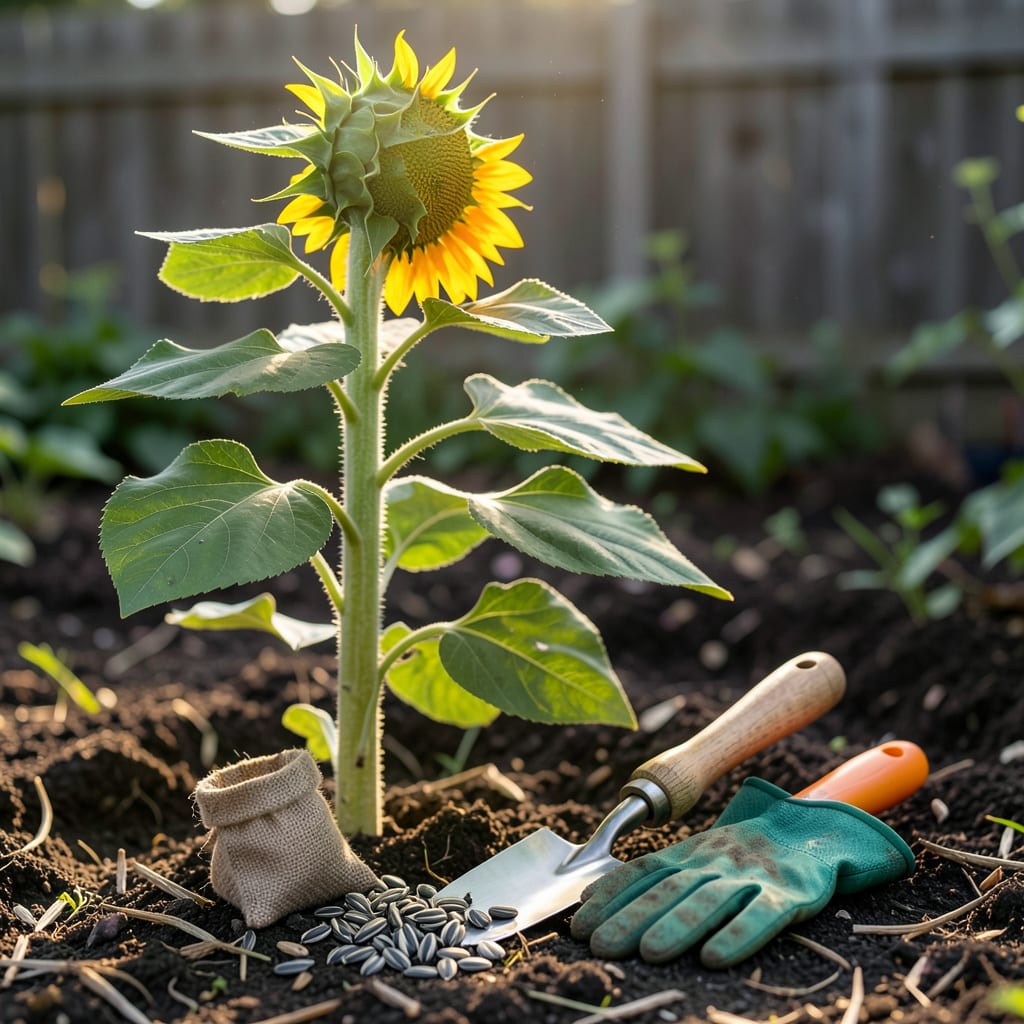
There’s nothing like the sight of towering sunflowers swaying in an Iowa summer breeze—but timing your planting wrong could leave you with wilted stems instead of golden blooms. One late frost or a poorly chosen week can make all the difference.
After years of testing and tweaking, I’ve nailed the perfect window for Iowa’s unpredictable springs. Whether you’re in Des Moines or Decorah, I’ll show you exactly when to get those seeds in the ground for sunflowers that steal the show. No guesswork, just results.
If you’ve ever dreamed of a backyard filled with golden sunflowers swaying in the Iowa breeze, timing your planting is everything. Iowa’s climate—with its USDA Zones 4b to 5b—means you’ve got to play it smart. Plant too early, and a late frost could wipe out your seedlings. Wait too long, and your sunflowers might not reach their full 8-12 foot glory before fall arrives.
Here’s the golden rule: Aim to plant after the last frost date, which varies across the state. In southern Iowa (Zone 5b), like Des Moines or Ottumwa, you can start as early as late April. But up north in Zone 4b—think Mason City or Spencer—wait until mid-to-late May to be safe. Soil temperature is your best friend here—55–60°F is the sweet spot for germination.
| Region | USDA Zone | Last Frost Date | Planting Window | First Frost Date |
|---|---|---|---|---|
| Northern Iowa (Mason City, Sioux City) |
4b | May 1–10 | Mid-May to early June | October 1–10 |
| Central Iowa (Des Moines, Ames) |
5a | April 15–25 | Late April to mid-May | October 15–25 |
| Southern Iowa (Ottumwa, Burlington) |
5b | April 10–20 | Late April to early May | October 20–30 |
Note: Adjust dates by 1–2 weeks for microclimates or unusual weather patterns. Use a soil thermometer to confirm temperatures!
For those of you in urban areas like Cedar Rapids or Davenport, keep an eye on heat islands. Concrete and asphalt can make your soil warm up faster, letting you plant a week or two earlier. But don’t get too eager—sunflowers hate soggy roots, so make sure your soil isn’t waterlogged from spring rains before you sow those seeds.
If you’re itching to get a head start, consider starting seeds indoors 2–3 weeks before your last frost date. Use biodegradable pots to avoid disturbing delicate roots during transplanting. Just remember: sunflowers grow fast and tall, so they don’t love being cooped up inside for long. Move them outdoors as soon as the soil is warm enough.
Pro tip: Check the 10-day forecast before planting. If nighttime temps are still dipping below 50°F, hold off. Sunflower seeds need consistent warmth to germinate properly. I’ve seen too many gardeners rush the process, only to end up with sparse or stunted plants. Patience pays off with sunflowers—trust me on this one!
For giant varieties like ‘Mammoth’ or ‘Russian Giant’, aim for the earlier end of your planting window. These beauties need 120 days to mature, so giving them extra time ensures they’ll reach their full, towering potential. Smaller varieties, like ‘Teddy Bear’ or ‘Sunspot’, can go in a bit later since they mature in just 60–70 days.
Don’t forget to prepare your soil before planting. Sunflowers thrive in well-draining soil with a pH of 6.0–7.5. Work in a couple inches of compost or aged manure to give your seeds a nutrient boost. If your soil is heavy clay—common in parts of Iowa—mix in some sand or perlite to improve drainage and prevent root rot.
Once your seeds are in the ground, water deeply but avoid overdoing it. Sunflowers are drought-tolerant once established, but young seedlings need consistent moisture to get started. A good rule of thumb is 1–2 inches of water per week, either from rainfall or supplemental watering. Use a soaker hose to keep foliage dry and reduce the risk of fungal diseases.
Finally, keep an eye out for pests. Birds and squirrels love sunflower seeds, so consider covering newly planted areas with row covers or netting until seedlings are a few inches tall. If you’re planting in a windy area, stake taller varieties early to prevent toppling. Iowa’s summer storms can be fierce, and nothing’s sadder than a snapped sunflower stalk!
By following these guidelines, you’ll be well on your way to a stunning sunflower display that’ll make your neighbors green with envy. And if you’re looking to extend your sunflower season, try succession planting—sow a new batch every 2–3 weeks through early July for continuous blooms all summer long. Happy planting! 🌻
Even the most experienced Iowa gardeners can trip up when planting sunflowers. I’ve seen it happen—healthy-looking seedlings one day, wilted disappointments the next. The good news? Most failures come down to just three avoidable mistakes. Let’s tackle them head-on so your sunflowers thrive instead of struggle.
First up: ignoring soil temperature. Iowa’s springs are notorious for their temperature swings, and sunflower seeds won’t germinate properly if the soil is too cold. I’ve lost count of how many gardeners plant in early April because the air feels warm, only to watch their seeds rot. Always use a soil thermometer—55–60°F is non-negotiable for germination.
Bonus Tip: In windy areas (common in Iowa!), stake tall varieties at planting to prevent snapped stems later. 🌬️
Another big blunder? Mismatching varieties to your zone. Not all sunflowers are created equal—some need 120 days to mature, while others bloom in just 60 days. In northern Iowa (Zone 4b), giant varieties like ‘Mammoth’ often struggle to reach full height before frost. Opt for fast-maturing types like ‘Sunspot’ or ‘Teddy Bear’ if your growing season is short.
Here’s a mistake I see every year: underestimating pests. Iowa’s wildlife loves sunflower seeds as much as we do. I’ve had entire rows of newly planted seeds disappear overnight thanks to squirrels and blackbirds. The fix? Cover fresh plantings with lightweight row fabric or bird netting until seedlings are 6 inches tall. For extra protection, sprinkle hot pepper flakes around the planting area—it’s safe and effective!
Don’t overlook soil prep, either. Iowa’s clay-heavy soil can spell disaster for sunflowers if not amended. These plants need well-draining soil to prevent root rot. Before planting, mix in 2–3 inches of compost and a handful of sand or perlite to improve drainage. If your soil is particularly compacted, consider planting in raised beds for better results.
Finally, watering mistakes can make or break your sunflowers. Too much water leads to fungal diseases, while too little stunts growth. Aim for 1–2 inches per week, delivered in deep, infrequent waterings to encourage strong root systems. Always water at the base of the plant—wet foliage invites mildew. A drip irrigation system works wonders if you’re growing a large patch.
By sidestepping these common pitfalls, you’ll set your sunflowers up for success. Remember, Iowa’s climate is unpredictable, but with the right prep, your sunflowers can handle whatever the season throws at them. Next up, let’s dive into the best varieties for Iowa’s unique growing conditions—because not all sunflowers are created equal! 🌻
Not all sunflowers are created equal—especially in Iowa’s variable climate. Choosing the right variety can mean the difference between spectacular 12-foot giants and sad, stunted stalks. After testing dozens of types across Iowa’s zones, I’ve narrowed it down to the top performers for our unique growing conditions.
For northern Iowa gardeners (Zone 4b), focus on fast-maturing varieties that can handle cooler nights. ‘Autumn Beauty’ and ‘Moulin Rouge’ both bloom in 60–70 days, making them perfect for shorter seasons. Their sturdy stems also resist Iowa’s notorious summer winds, which can topple taller varieties.
| Variety | Height | Days to Bloom | Best For | Iowa Zone Fit |
|---|---|---|---|---|
| Moulin Rouge | 5–6 ft | 60 days | Wind resistance, cut flowers | 4b–5b |
| Autumn Beauty | 5–7 ft | 70 days | Pollinators, multi-color blooms | 4b–5b |
| Lemon Queen | 5–6 ft | 75 days | Humidity tolerance, pale yellow blooms | 5a–5b |
| Mammoth Grey Stripe | 9–12 ft | 120 days | Giant seeds, bird-friendly | 5b only |
Tip: For container growing, try ‘Teddy Bear’ (2–3 ft) or ‘Sunspot’ (2 ft)—both thrive in pots on patios! 🪴
In central and southern Iowa (Zones 5a–5b), you’ve got more flexibility. ‘Lemon Queen’ handles our humid summers beautifully, while ‘Mammoth Grey Stripe’ rewards patient gardeners with dinner-plate-sized blooms. Just remember: giants need early planting (late April) to reach their full height before frost.
For small-space gardeners, ‘Teddy Bear’ and ‘Sunspot’ are game-changers. These dwarf varieties (2–3 feet tall) pack big sunflower charm into tiny packages. They’re perfect for containers or front-of-border plantings, and their early bloom times (50–60 days) mean you’ll get color faster.
If you’re growing sunflowers for cut flowers or pollinators, ‘Autumn Beauty’ and ‘Velvet Queen’ are my top picks. Their long stems and vibrant colors make stunning bouquets, while their open centers attract bees and butterflies. For maximum pollinator impact, plant in clusters of 5–7 plants rather than single rows.
No matter which variety you choose, succession planting is key for all-summer blooms. Sow a new batch every 2–3 weeks through early July. This ensures continuous color—and a steady supply of seeds for birds! Just taper off by mid-July so late plantings have time to mature before Iowa’s first frost (typically mid-October). 🌻
In Zone 5b (like Des Moines or Ottumwa), you can start as early as late April, after the last frost date. Just confirm soil temps are consistently above 55°F before sowing.
Use floating row covers for warmth and pest protection. If a late frost threatens, cover seedlings with cloches or buckets overnight. Remove covers during the day to prevent overheating.
Giant varieties like ‘Mammoth’ need 120 days to mature, which is risky in Zone 4b. Opt for faster-growing types like ‘Autumn Beauty’ (70 days) for reliable results.
Amend soil with 2–3 inches of compost and mix in sand or perlite to improve drainage. For severe clay, consider raised beds filled with a loamy mix.
