
Beautiful Plants For Your Interior
Beautiful Plants For Your Interior
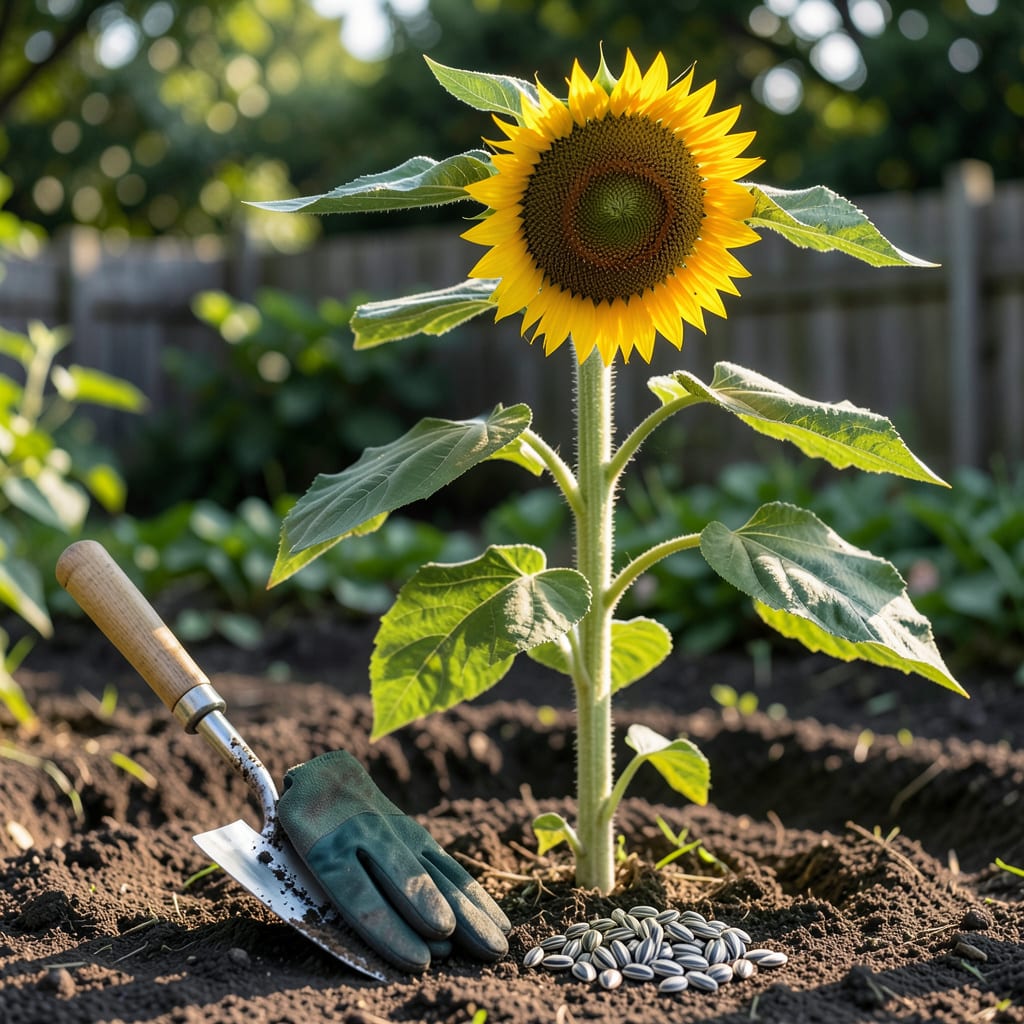
There’s nothing quite like watching towering sunflowers sway in a Connecticut summer breeze—but timing your planting wrong could leave you with wilted dreams instead of golden blooms. Our state’s finicky spring frost dates and coastal vs. inland microclimates make nailing that perfect window trickier than you’d think.
I’ve spent years testing when to coax those cheerful giants from seed to sky in zones 6a-7b, and the difference between a thriving stand and a flop often comes down to just 1-2 weeks. Let’s cut through the guesswork so your sunflowers steal the show this season.
If you’ve ever dreamed of a backyard filled with towering sunflower blooms, Connecticut’s climate offers a perfect window—but timing is key. Our state’s USDA Zones 6a-7b mean frost dates vary, so planting too early risks seed loss, while delaying too long shortens your bloom season.
I’ve found that soil temperature (not just calendar dates) is the real secret. Sunflower seeds need 55°F+ soil to germinate reliably. Coastal areas like New London warm up faster than inland spots like Litchfield, so adjust accordingly.
| Region | USDA Zone | Last Frost Date | Planting Window | Notes |
|---|---|---|---|---|
| Coastal (New London) | 7a | April 10 | April 20–May 5 | Warmer soil; plant 2 weeks earlier than inland. |
| Central (Hartford) | 6b | April 20 | May 1–15 | Ideal for most giant varieties. |
| Northwest (Litchfield) | 6a | May 1 | May 10–25 | Cooler soil; wait until mid-May for safety. |
For early blooms, start seeds indoors 3-4 weeks before your last frost date. Use biodegradable pots to avoid root disturbance when transplanting. I’ve had great success with this method in Zone 6b, getting flowers by early July.
If you’re planting directly outdoors, wait until daytime temps consistently hit 60°F+. Sunflowers thrive in full sun (6+ hours daily), so choose your sunniest spot. Inland gardeners should watch for late frosts—cover seedlings if temps dip below 40°F.
For continuous blooms, stagger plantings every 2 weeks through early June. This works especially well with dwarf varieties like ‘Teddy Bear,’ which mature faster. Coastal gardeners can extend this window into late June for a fall harvest.
Don’t forget soil prep! Sunflowers prefer well-draining soil with a pH of 6.0–7.5. Mix in compost before planting, and space seeds 6–12 inches apart (or 24 inches for giants). Water deeply after planting to encourage strong root growth.
Watch for heavy spring rains—Connecticut’s wet springs can delay planting. If your soil is soggy, wait a few extra days to avoid seed rot. A quick test: Squeeze a handful of soil. If it crumbles (not sticks), it’s ready for seeds.
For giant sunflowers (like ‘Russian Mammoth’), aim for the earlier end of your planting window. These need 120+ days to mature, so starting in late May in Zone 6a might mean smaller blooms. Coastal gardeners have more flexibility here.
Finally, mark your calendar for harvest time—typically August to October in CT. When the back of the flower head turns yellow-brown and seeds plump up, it’s time to cut stems for drying. Pro tip: Cover heads with mesh bags to protect seeds from hungry birds! 🌻
Not all sunflowers follow the same timeline in Connecticut’s climate. The secret to a nonstop bloom show from July to October? Matching your variety’s maturity rate with our state’s 170-day growing season. Let’s break down the best picks for CT gardens.
I’ve tested everything from dwarf ‘Teddy Bear’ to towering ‘Russian Mammoth’ across Zones 6a-7b. The key difference? Days to maturity. Coastal gardeners can push earlier plantings, while inland folks should stick to mid-May for giants. Here’s your cheat sheet:
| Variety | Days to Maturity | CT Planting Window | Height | Best For |
|---|---|---|---|---|
| ‘Teddy Bear’ | 60-70 days | April 20–June 1 | 2-3 ft | Containers, small spaces, early blooms |
| ‘Moulin Rouge’ | 70-80 days | May 1–June 15 | 3-5 ft | Cut flowers, pollinator gardens, staggered plantings |
| ‘Autumn Beauty’ | 80-90 days | May 10–June 10 | 5-7 ft | Multi-colored blooms, mid-season impact |
| ‘Russian Mammoth’ | 110-120 days | April 25–May 15 | 9-12 ft | Seed harvesting, statement plants, coastal areas only |
For continuous color, I stagger plantings every 2 weeks starting late April. Begin with ‘Teddy Bear’ (fastest), then add ‘Moulin Rouge’ in early May, and finish with ‘Autumn Beauty’ by late May. This gives you 10+ weeks of blooms without gaps.
Coastal gardeners in Zone 7a can start giant varieties like ‘Mammoth’ as early as April 25—our warmer soil gives them the 120 days they need. Inland? Wait until May 10 to avoid stunted growth from cool nights. Pro tip: Use black plastic mulch to warm soil faster in cooler areas.
If you’re growing for cut flowers, prioritize ‘Moulin Rouge’ or ‘ProCut’ series. These branch-heavy varieties produce multiple stems per plant. Plant them 18 inches apart and pinch back early buds to encourage bushier growth. Harvest when petals just begin to unfurl for longest vase life.
For seed production, ‘Russian Mammoth’ is king—but it’s fussy about timing. In Zone 6a, plant by May 10 latest. These giants need full sun and consistent moisture. I’ve found they perform best in raised beds with added compost, where drainage is superior.
Don’t overlook pollinator-friendly options like ‘Lemon Queen’ (70 days). Its pale yellow blooms attract bees and butterflies all summer. Plant in 3-foot rows for a living sunflower hedge. In CT’s humid summers, space plants wider (24 inches) to improve airflow and reduce powdery mildew risk. 🌻
Even experienced gardeners can stumble when growing sunflowers in Connecticut. Our state’s wet springs and humid summers create unique challenges. After years of trial and error, I’ve pinpointed the five most costly mistakes—and how to sidestep them for a sky-high success rate.
The biggest culprit? Impatience with soil temps. I’ve lost countless seeds by planting when daytime air feels warm, only to have nighttime soil temps dip below 50°F. Sunflower seeds won’t germinate reliably until soil hits 55°F+—use a soil thermometer to be sure.
Another Connecticut-specific pitfall: underestimating our spring rainfall. Sunflower seeds rot quickly in waterlogged soil. I combat this by planting in raised mounds (6 inches high) and mixing in sand or perlite to improve drainage. In low-lying areas, consider raised beds filled with a 50/50 blend of garden soil and compost.
Overcrowding is a silent bloom-killer. While seed packets often suggest 6-inch spacing, CT’s humid summers demand more airflow. I plant dwarf varieties 12 inches apart and giants 24 inches apart. This reduces powdery mildew risk and lets each plant access enough nutrients. For cut flower varieties like ‘Moulin Rouge,’ wider spacing also means stronger stems.
Don’t let deer and rabbits sabotage your sunflowers! Young plants are irresistible to wildlife. I protect new plantings with chicken wire cloches until stems reach 18 inches tall. For extra defense, spray leaves with deer repellent every 2 weeks. Coastal gardeners face less pressure, but inland plots often need 8-foot fencing for giant varieties.
Finally, resist the urge to over-fertilize. Sunflowers in CT’s rich soil often need less nitrogen than you’d think. I use a 5-10-10 blend only twice: at planting and when buds form. Too much nitrogen leads to weak stems that topple in our summer thunderstorms. Instead, focus on phosphorus for strong roots and potassium for vibrant blooms. 🌻
Coastal areas like New London (Zone 7a) warm up faster, so you can start planting as early as April 20. Just ensure soil temps reach 55°F+ for reliable germination.
For giants like ‘Russian Mammoth,’ space seeds 24 inches apart to prevent overcrowding. Connecticut’s humid summers demand extra airflow to reduce powdery mildew risk.
Choose dwarf varieties like ‘Teddy Bear’ and use containers at least 12 inches deep. Ensure they get 6+ hours of sun daily and water more frequently than in-ground plants.
Planting too early in cool, wet soil. Sunflower seeds rot easily in Connecticut’s soggy springs. Always check soil temperature—wait until it hits 55°F+ at 1-inch depth.
Use 8-foot fencing for giant varieties or chicken wire cloches around young plants. Spray leaves with deer repellent every 2 weeks for extra protection.
