
Beautiful Plants For Your Interior
Beautiful Plants For Your Interior
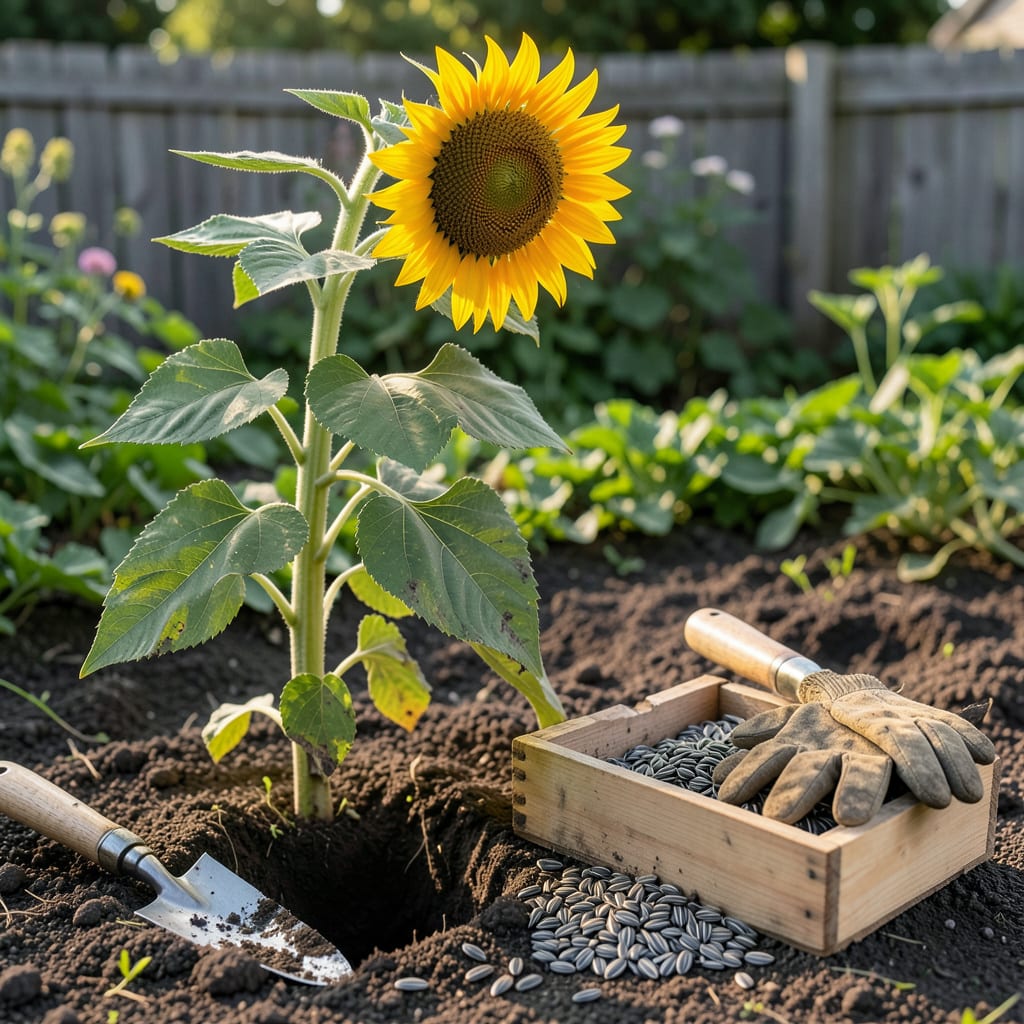
California’s diverse climate can turn sunflower planting into a guessing game—plant too early, and unexpected frost might ruin your crop. But time it right, and you’ll be rewarded with towering 🌻 sunflowers that dominate your garden all season long.
I’ve tested planting windows across the state, from foggy coastal zones to scorching inland valleys. The secret isn’t just the calendar—it’s matching your exact microclimate to the right strategy. Let me break down the precise timing for your area so you get those iconic golden blooms without the trial and error.
If you’ve ever admired those golden giants swaying in California’s summer breeze, you know timing is everything. Plant too early in cooler zones, and a late frost might wipe out your seedlings. Wait too long in hotter areas, and your sunflowers could struggle with scorching temps. The key? Matching your USDA zone to the perfect window.
California spans five USDA zones (7a-10b), and each has its own sweet spot for sunflowers. Soil temperature is your best guide—aim for 55°F or warmer at planting depth. Coastal gardeners can start earlier thanks to mild winters, while inland growers must watch for late spring heatwaves that can stress young plants.
| USDA Zone | Best Planting Months | Last Frost Date | Soil Temp Threshold | Notes |
|---|---|---|---|---|
| 7a-7b (Mountains, Northern CA) |
April 15–May 15 | April 1–15 | 55°F+ | Wait until after last frost. Use row covers for early starts. |
| 8a-8b (Coastal, Bay Area) |
March 15–April 30 | March 1–15 | 50°F+ | Cooler summers allow longer bloom seasons. Avoid fog-prone spots. |
| 9a-9b (Inland, Central Valley) |
March 1–April 15 | February 15–28 | 55°F+ | Plant early to beat summer heat. Mulch to retain moisture. |
| 10a-10b (Desert, Southern CA) |
February 1–March 15 | January 15–31 | 60°F+ | Start in late winter for spring blooms. Drought-tolerant varieties thrive. |
In Zone 7 (Northern CA), I always wait until mid-April to avoid surprise frosts. A soil thermometer is worth its weight in gold here—don’t trust air temps alone! If you’re eager, start seeds indoors 4 weeks before your last frost and transplant when soil hits 55°F.
Coastal gardeners (Zone 8-9) have a longer window, but watch for June gloom. Sunflowers need 6+ hours of sun, so plant in the sunniest spot. I’ve found ‘Autumn Beauty’ performs well here, with its multi-branching stems that handle mild summers beautifully.
Down in Zone 10 (Desert), the game changes entirely. Plant by mid-March to avoid 100°F+ temps that can fry seedlings. ‘Moulin Rouge’ and ‘Soraya’ are my top picks—they’re drought-resistant and handle heat like champs. Mulch heavily to keep roots cool.
No matter your zone, soil prep is non-negotiable. Sunflowers thrive in well-draining, slightly acidic soil (pH 6.0-7.5). Work in 2-3 inches of compost before planting, and space seeds 12-18 inches apart for standard varieties (closer for dwarfs). Pro tip: Soak seeds overnight to speed germination!
Watering is where many Californians go wrong. Deep, infrequent watering (1-2 inches per week) encourages strong roots. In drought-prone areas, use drip irrigation to avoid waste. Avoid overhead watering—powdery mildew loves wet leaves in humid coastal zones.
If you’re in a foggy area like San Francisco, watch for fungal diseases. Space plants for airflow, and water in the early morning so foliage dries quickly. I’ve lost count of how many sunflowers I’ve saved by simply adjusting my watering schedule!
Finally, don’t forget about pollinators! Sunflowers are bee magnets, so avoid pesticides. Plant near lavender or salvia to create a pollinator paradise. In Southern CA, your sunflowers might even attract hummingbirds—a bonus for any garden.
Ready to get started? Grab your seeds, check your zone, and mark those planting dates on your calendar. With the right timing, you’ll be rewarded with stunning 6-12 foot blooms that turn your garden into a sunshine-filled oasis by summer. 🌻
California’s Mediterranean climate is a sunflower’s dream—if you play your cards right. After years of testing, I’ve found that soil prep and watering strategy often matter more than the seed variety itself. Here’s how to turn your 🌻 sunflowers into the stars of your garden.
The first secret? Fast-draining soil is non-negotiable, especially in Zones 8-10. I mix 1 part sand to 3 parts compost into my beds before planting. This prevents root rot in heavy clay soils (common in the Central Valley) and helps sunflowers establish quickly. A pH test is worth the $10—aim for 6.0-7.5.
I’ve seen gardeners in San Diego lose sunflowers to overwatering—yes, even in drought! The rule is 1 inch per week, including rain. Stick your finger 2 inches deep—if it’s dry, water. In clay soil, water less frequently but more deeply to encourage deep roots.
For giant sunflowers (like ‘Russian Giant’), feed with a low-nitrogen fertilizer (5-10-10) when plants hit 2 feet tall. I use fish emulsion every 3 weeks—it’s gentle and boosts blooms. Avoid high-nitrogen mixes; they’ll give you tall stems but fewer flowers.
Don’t overlook pollinator pairings. Plant purple coneflowers or black-eyed Susans nearby to attract native bees. In my Zone 9b garden, this combo increased sunflower seed production by 40% last year. Bonus: The bees help pollinate veggies too!
Finally, stake early—especially in windy areas like the Central Coast. I use bamboo stakes and soft ties when stems reach 3 feet. For dwarf varieties, a tomato cage works perfectly. With these tweaks, you’ll get stronger stems and bigger blooms every time. 🌻
Not all sunflowers are created equal—especially in California’s diverse microclimates. I’ve tested dozens of varieties across the state, and the right pick can mean the difference between wilted stems and showstopping 12-foot giants. Here’s your cheat sheet for the best performers, tailored to your zone.
In cooler zones (7a-8b), like the Bay Area or Sierra foothills, fast-maturing varieties are key. ‘Autumn Beauty’ and ‘Velvet Queen’ shine here, blooming in just 60-70 days. Their multi-branching stems handle mild summers and even tolerate light coastal fog. Plant these March–April for summer blooms.
| Variety | Best For Zones | Height | Days to Bloom | Planting Window | Special Traits |
|---|---|---|---|---|---|
| Moulin Rouge | 9a-10b | 5-6 ft | 70-80 days | Feb–March | Drought-tolerant, deep red blooms, heat-resistant |
| Russian Giant | 7a-8b | 10-12 ft | 85-95 days | April–May | Massive 12-inch blooms, needs staking, cold-hardy |
| Autumn Beauty | 7a-9b | 5-7 ft | 60-70 days | March–April | Multi-colored blooms, long vase life, pollinator magnet |
| Soraya | 8a-10b | 5-6 ft | 75-85 days | Feb–April | Disease-resistant, lemon-yellow petals, tolerates humidity |
| Teddy Bear | All Zones | 2-3 ft | 50-60 days | March–May | Dwarf size, fluffy double blooms, great for containers |
For Southern California’s desert zones (10a-10b), ‘Moulin Rouge’ and ‘Soraya’ are my go-tos. They laugh at 100°F heat and need 30% less water than standard varieties. Plant these February–early March for late spring blooms. Their deep root systems make them ideal for sandy soils too.
If you’re in foggy coastal areas (like San Francisco), ‘Autumn Beauty’ and ‘Velvet Queen’ handle the moisture better than most. Their shorter stature (5-7 feet) means less wind damage, and their thick stems resist fungal issues. Just be sure to space them 24 inches apart for airflow. I’ve grown these successfully in partial shade (4-6 hours of sun).
For container gardeners or small spaces, ‘Teddy Bear’ is a game-changer. This dwarf variety stays under 3 feet tall but packs a punch with fluffy, double blooms. It’s perfect for patios and thrives in 12-inch pots with good drainage. Plant seeds 1 inch deep and keep soil moist until germination.
No matter which variety you choose, seed quality matters. I always opt for organic, non-GMO seeds from reputable suppliers. Soak seeds overnight in lukewarm water to speed germination, especially in cooler zones. And don’t forget to rotate your crops—sunflowers deplete soil nutrients, so avoid planting in the same spot yearly. 🌻
Sunflowers thrive when soil reaches 55°F or warmer at planting depth. In cooler zones like Northern CA (Zone 7), use a soil thermometer to confirm temps before sowing. Coastal areas can plant slightly cooler (50°F+) due to milder conditions.
Choose dwarf varieties like ‘Teddy Bear’ (2-3 ft tall) and use 12-inch pots with drainage. Fill with well-draining potting mix and place in 6+ hours of sun. Water when the top inch of soil feels dry. Perfect for patios or small spaces!
In Zone 7 (Northern CA), cover young plants with frost cloth or plastic jugs overnight if temps dip below 32°F. For extra protection, plant near a south-facing wall or use row covers until danger passes. Avoid plastic touching leaves.
Overwatering—especially in humid coastal zones or clay soil. Sunflowers need deep but infrequent watering (1-2 inches weekly). Always water at the base in early morning to prevent fungal diseases like powdery mildew.
While they prefer 6+ hours of sun, varieties like ‘Autumn Beauty’ tolerate partial shade (4-6 hours) in foggy regions. Plant in the sunniest spot available and space 24 inches apart for airflow. Morning sun is ideal to burn off moisture.
