
Beautiful Plants For Your Interior
Beautiful Plants For Your Interior
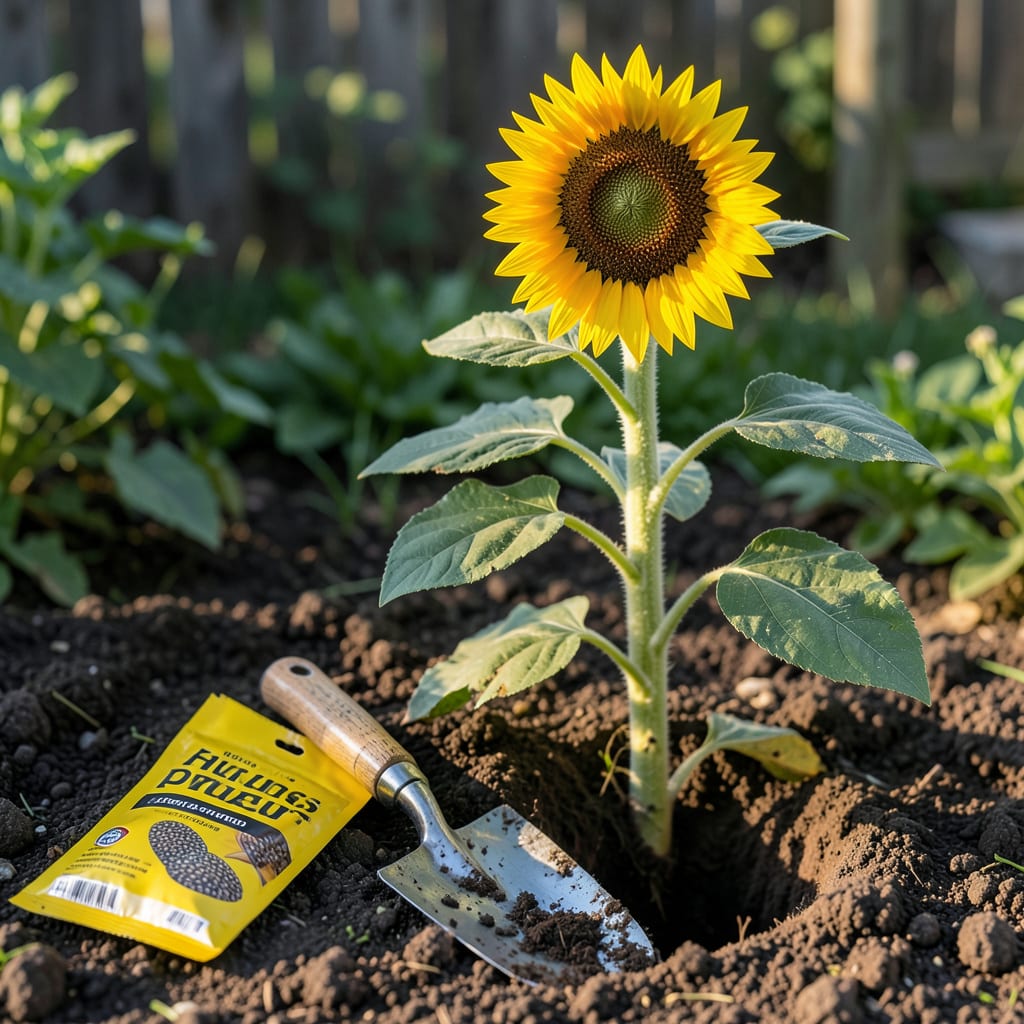
There’s nothing quite like watching a field of towering sunflowers sway in the Arkansas breeze—unless you’ve planted them at the wrong time. I’ve seen gardeners miss their window by just a few weeks and end up with stunted blooms or, worse, no flowers at all.
The Natural State’s climate is a game-changer for sunflowers, and timing your planting between late March and early May can mean the difference between lackluster stalks and those iconic 8-foot giants. Let’s break down exactly when to get those seeds in the ground for a summer full of golden glory.
If you’ve ever wondered why your neighbor’s sunflowers thrive while yours struggle, the answer often lies in timing and location. Arkansas isn’t a one-size-fits-all state—our three distinct climate zones mean planting dates can vary by weeks. Let’s zero in on the sweet spot for your area.
In the Northwest (think Fayetteville or Bentonville), you’ll want to plant slightly later than the Delta region due to cooler springs. Meanwhile, gardeners in Central Arkansas (Little Rock, Conway) can often sneak in an extra week or two of growing time. The key? Soil temperature—not just the calendar.
| Region | Ideal Planting Window | Last Frost Date | Soil Temp Threshold | First Bloom Expectation |
|---|---|---|---|---|
| Northwest (Zones 6b-7a) | April 1–15 | March 25 | 55°F+ | Late June–Early July |
| Central (Zones 7b-8a) | March 15–31 | March 15 | 50°F+ | Mid-June |
| Delta/South (Zone 8b) | March 1–20 | March 5 | 50°F+ | Early June |
Pro Tip: Use a soil thermometer—don’t guess! Sunflower seeds rot in cold, wet soil.
Notice how the Delta region gets a 3-week head start? That’s thanks to its milder winters and earlier warming. But don’t rush—planting too early in cooler zones risks seed rot. I always tell gardeners: “When the soil feels warm to your bare hand, it’s go time.”
For giant varieties like ‘Russian Mammoth’ or ‘American Giant’, aim for the earliest part of your region’s window. These behemoths need 100+ days to mature, so every extra day of warm soil counts. Smaller types (like ‘Teddy Bear’) can go in 2–3 weeks later and still shine.
Here’s a trick I swear by: Succession planting. Sow a new batch every 2–3 weeks until early June. This staggers your blooms, so you’re not overwhelmed with hundreds of sunflowers all at once—and you’ll have fresh cuts for bouquets all summer long.
Don’t forget about microclimates! A south-facing slope in your yard might be 5°F warmer than a shady spot. Use this to your advantage by planting heat-loving varieties (like ‘Autumn Beauty’) in warmer pockets and cooler-tolerant types (‘Lemon Queen’) elsewhere.
If you’re in Zone 8b (think Texarkana or El Dorado), you can even sneak in a fall planting around August 1–15. Choose fast-maturing varieties (60–70 days) and pray for a long autumn. I’ve had luck with ‘Moulin Rouge’ this way—just be ready to cover seedlings if early frosts threaten.
Still unsure? Grab a $10 soil thermometer and check your dirt at 8 AM for three consecutive days. If it hits 50°F+, you’re clear. And remember: Sunflowers are tough, but they’re not invincible. A late frost in the Ozarks can wipe out early plantings, so keep row covers handy just in case.
For those of you chasing record-breaking heights, start seeds indoors 3–4 weeks early in biodegradable pots. Transplant carefully—sunflowers hate root disturbance—and baby them until they’re established. With Arkansas’ long summers, you could hit 12 feet or more! 🌻
Even with perfect timing, some common blunders can sabotage your sunflower success. I’ve seen Arkansas gardeners make these mistakes year after year—often without realizing it. Let’s tackle the top three so your golden giants don’t end up as stunted disappointments.
The first misstep? Ignoring soil prep. Arkansas’ clay-heavy soil can suffocate sunflower roots if not amended. I always mix in 2–3 inches of compost and a handful of sand to improve drainage. Sunflowers thrive in loose, well-draining soil—skip this, and you’ll get weak stems.
Another big no-no: Misjudging frost dates. I’ve lost count of how many gardeners in Zone 7a (like Fort Smith) jump the gun after a warm February spell. Remember, our last frost date isn’t a guarantee—it’s an average. Always wait until 2 weeks after your zone’s typical last frost.
Overcrowding is the third killer. Sunflowers need 18–24 inches between plants for air circulation. In Arkansas’ humid summers, tight spacing invites powdery mildew. I use a simple trick: plant seeds in a grid pattern and thin ruthlessly when seedlings hit 6 inches tall.
Here’s a mistake you might not expect: Planting too deep. Sunflower seeds need only 1 inch of soil coverage. Bury them deeper, and they’ll struggle to emerge. In Arkansas’ heavy soils, I often plant ½ inch deep and lightly mulch to prevent crusting.
Finally, don’t forget about pests. Arkansas’ sunflowers attract birdseed lovers (sparrows, finches) and sap-sucking insects (aphids). Protect young heads with mesh bags and spray neem oil at first sign of pests. I lost an entire crop to goldfinches once—now I’m religious about netting!
Want foolproof results? Pair these tips with our Arkansas-specific planting calendar from Section 1. And remember: sunflowers are forgiving, but they’re not magic. Avoid these pitfalls, and you’ll be rewarded with sturdy stalks and dinner-plate blooms all summer. 🌻
Not all sunflowers follow the same timeline, and in Arkansas’ long growing season, you can play with multiple varieties for nonstop color. Whether you want quick-blooming types for early bouquets or sky-scraping giants for late-summer drama, timing adjustments make all the difference.
Take ‘Moulin Rouge’, a fan favorite for its deep red petals. This fast grower matures in just 60–70 days, so you can plant it as late as early June and still get blooms by August. Compare that to ‘Russian Giant’, which needs 100+ days—plant these too late, and you’ll be staring at green stalks when frost hits.
| Variety | Days to Maturity | Arkansas Planting Window | Height Range | Best For |
|---|---|---|---|---|
| Moulin Rouge | 60–70 days | March 15–June 1 | 4–6 ft | Cut flowers, containers |
| Autumn Beauty | 75–90 days | March 1–May 15 | 5–7 ft | Pollinators, mixed borders |
| Russian Giant | 100–120 days | March 1–April 1 | 10–12 ft | Focal points, seed harvest |
| Teddy Bear | 50–60 days | April 1–July 1 | 2–3 ft | Kids’ gardens, patios |
Pro Tip: For continuous blooms, plant a mix of fast and slow varieties, staggering sowings every 2–3 weeks until early June.
See how ‘Teddy Bear’ gives you flexibility? Its 50-day maturity means you can plant it month later than giants and still enjoy blooms. I love tucking these into patio pots for a pop of color where space is tight. Meanwhile, ‘Autumn Beauty’—my personal favorite—bridges the gap with its 75-day timeline and pollinator magnet status.
For giant varieties, timing isn’t just about blooms—it’s about root development. Plant ‘Russian Giant’ seeds in cool soil (even if it’s 50°F), and they’ll focus on roots first. This sets them up to handle Arkansas’ summer heat waves without toppling. I’ve found that soaking seeds overnight before planting gives them a head start on germination.
Here’s a succession planting trick I use: Start with ‘Moulin Rouge’ in early March (Delta region), follow with ‘Autumn Beauty’ in April, then add ‘Teddy Bear’ in May. This gives you 12+ weeks of blooms from a single garden bed. Just be sure to rotate locations yearly—sunflowers are heavy feeders and deplete soil nutrients quickly.
Don’t overlook fall plantings in Zone 8b! Varieties like ‘Soraya’ (70 days) or ‘Valentine’ (65 days) can go in by August 1 for late-season color. Protect young plants with row covers if nights dip below 50°F, and you might just coax blooms until first frost. I’ve had ‘Soraya’ still shining in October! 🌻
Sunflower seeds need soil at least 50°F to germinate properly. In Arkansas, this typically happens 2–3 weeks after the last frost. Use a soil thermometer to check—cold soil causes rot.
Choose dwarf varieties like ‘Teddy Bear’ (2–3 ft tall) and use containers at least 12 inches deep. Ensure full sun and water daily—potted sunflowers dry out faster than garden plants.
Cover young plants with frost blankets or upside-down buckets if temps drop below 32°F. Remove covers by mid-morning to prevent overheating. In Northwest Arkansas, keep covers handy until mid-April.
Give giants like ‘Russian Mammoth’ at least 24 inches between plants. Crowding leads to weak stems and smaller blooms. For rows, space seeds 12–18 inches apart and thin later.
Only in Zone 8b (southern Arkansas). Sow fast-maturing varieties (60–70 days) by August 1. Use row covers if nights dip below 50°F. Fall plantings often yield smaller blooms but extend the season.
