
Beautiful Plants For Your Interior
Beautiful Plants For Your Interior
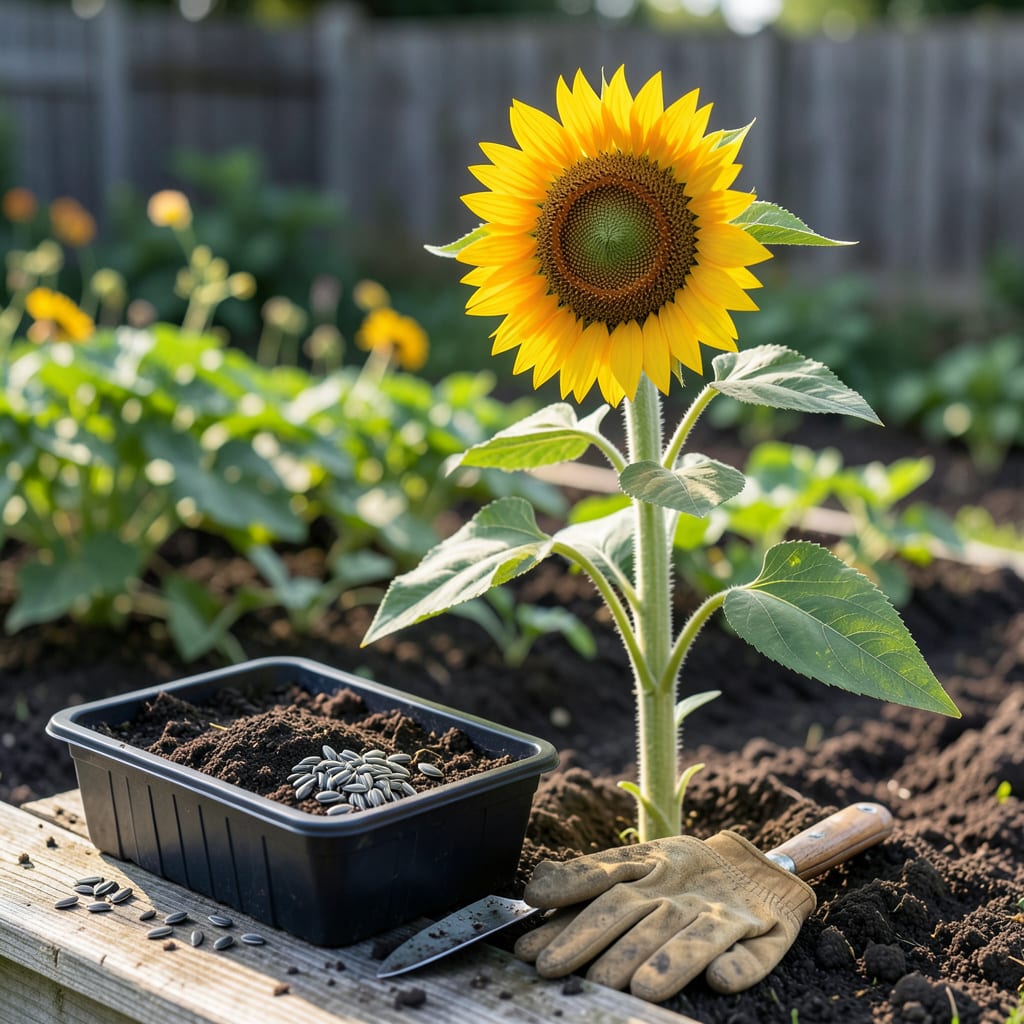
There’s nothing quite like watching a 12-foot sunflower stretch toward the Alabama sky—unless you’ve planted it at the wrong time. I’ve seen eager gardeners lose entire crops to late frosts or wilting heat, all because they missed that perfect window.
Here’s the good news: Alabama’s long growing season gives you two chances to get it right. Whether you’re in the Piedmont or along the Gulf Coast, I’ll show you exactly when to plant for those show-stopping blooms—without the guesswork. Let’s dig in.
Alabama’s diverse climate means your sunflower planting schedule depends heavily on where you live. In the northern Piedmont, you’ll need to watch for late frosts, while coastal gardeners can push their planting dates earlier thanks to milder winters. The key? Soil temperature.
Sunflower seeds won’t germinate until soil reaches at least 55°F, and they thrive when it’s closer to 60–70°F. That’s why I always recommend using a soil thermometer—it takes the guesswork out of timing. Here’s how to nail it in your region.
| Region | USDA Zone | Spring Planting | Fall Planting | Last Frost Date |
|---|---|---|---|---|
| North Alabama (Huntsville, Florence) | 7a–7b | Mid-April to early May | Late August to early September | April 1–15 |
| Central Alabama (Birmingham, Montgomery) | 7b–8a | Late March to mid-April | Mid-August to early September | March 15–30 |
| South Alabama (Mobile, Dothan) | 8b–9a | Late February to early March | Late July to mid-August | February 15–28 |
If you’re in North Alabama, wait until after Tax Day (April 15) to be safe. I’ve lost seedlings to a surprise frost in early April—trust me, patience pays off. Central Alabama gardeners can start a bit earlier, but keep row covers handy for cold snaps.
Down south near the Gulf, you’ve got a longer window, but watch for summer heat. Sunflowers planted after June 1 often struggle with drought stress. For fall plantings, aim to harvest before the first frost—usually around November 15 in most areas.
Pro tip: Check your local soil temperature with a thermometer at 8 AM for three consecutive days. If it’s consistently above 55°F, you’re good to go. For faster germination, soak seeds overnight before planting.
Don’t forget about microclimates! Urban areas like Birmingham may be 5–10°F warmer than rural spots, letting you plant a week earlier. If you’re near a lake or river, your soil might stay cooler longer—adjust accordingly.
For the most precise dates, consult the Alabama Cooperative Extension System’s planting calendar. They update frost predictions annually based on real-time data. I bookmark their site every January to plan my garden.
If you miss the spring window, don’t worry—fall sunflowers can be just as stunning. Just choose fast-maturing varieties like ‘Autumn Beauty’ (60 days) to beat the frost. Plant them by August 15 in most regions for late-season blooms.
Remember: Sunflowers grow fast—some varieties shoot up 6 inches per week in ideal conditions. Once they’re established, they’re drought-tolerant, but those first few weeks of consistent moisture are critical. Set up a drip irrigation system if you’re planting in sandy coastal soil.
Finally, if you’re growing giant sunflowers (12+ feet tall), give them extra time. These beauties need 120+ days to mature, so plant by March 15 in Central/South Alabama or April 1 up north. Smaller varieties like ‘Teddy Bear’ can go in later.
🌻Not all sunflowers handle Alabama’s heat and humidity equally. After testing dozens of varieties in my own garden, I’ve found the real winners are those that laugh at drought, resist mildew, and still put on a show when temperatures climb above 90°F. Let’s cut through the noise.
Your choice should match your goals: Are you after giant blooms for competitions, quick harvests for fall planting, or pollinator magnets that keep bees buzzing all season? Alabama’s long growing season lets you experiment—but some varieties consistently outperform others here.
| Variety | Days to Maturity | Height | Why It Works in Alabama | Best For |
|---|---|---|---|---|
| Lemon Queen 🌻 | 70–80 | 5–8 ft | Handles humidity, disease-resistant | Cut flowers, pollinators |
| Moulin Rouge | 55–65 | 3–5 ft | Fast grower, great for fall planting | Containers, small spaces |
| American Giant | 110–120 | 12–15 ft | Needs space but thrives in heat | Competitions, shade creation |
| Autumn Beauty | 60–70 | 5–7 ft | Multi-colored blooms, drought-tolerant | Fall planting, bouquets |
| Teddy Bear | 50–60 | 2–3 ft | Compact, kid-friendly, pest-resistant | Borders, containers |
For Central and South Alabama, I can’t recommend Lemon Queen enough. Its pale yellow petals don’t fade in intense sun, and it keeps blooming when other varieties wilt. In my Montgomery test plot, these outlasted standard sunflowers by 3 weeks during a July heatwave.
If you’re planting in fall, Moulin Rouge is your best bet. Its 60-day maturity means you can sow as late as August 20 in Zone 8 and still get blooms before frost. The deep red centers make stunning contrast in autumn gardens—plus, finches adore the seeds.
Going for giant sunflowers? American Giant needs space but rewards you with dinner-plate-sized blooms. Pro tip: Plant these near a fence or trellis—the stems can snap in Alabama’s summer storms. I lost a 14-footer to a pop-up thunderstorm last June!
Don’t overlook dwarf varieties like Teddy Bear. They’re perfect for containers on your patio or balcony. In my experience, they handle Alabama’s clay soil better than taller types because their shallow roots don’t suffocate in compacted ground. Just amend with compost before planting.
Remember: Seed quality matters. I always buy from Southern Exposure Seed Exchange or Baker Creek—their varieties are tested in humid climates. Avoid cheap big-box seeds; they often have lower germination rates in our heat. Store seeds in your fridge until planting day for best results.
🌱Even with perfect timing, your sunflowers can fail if you overlook Alabama’s unique soil and climate challenges. I’ve seen gardeners make the same three mistakes year after year—often without realizing it. Let’s fix that before you plant your first seed.
The biggest issue? Our heavy clay soil in Central/North Alabama and fast-draining sand along the coast. Both require different approaches. Then there’s our humidity, which invites fungal diseases if you’re not careful. Here’s what to watch for.
Another silent killer? Planting in shaded areas. Sunflowers need 6–8 hours of direct sun daily. I once planted a row along my north-facing fence—they grew 3 feet tall and never bloomed. Lesson learned: Use a sun calculator app to track light patterns before choosing your spot.
Don’t forget about spacing. Crowded sunflowers compete for nutrients and air circulation, which invites powdery mildew in our humid summers. Give dwarfs 12 inches apart, standard varieties 18 inches, and giants 24–36 inches. I use a yardstick to mark spots before planting.
Finally, watch for pests. Alabama’s squirrels and birds love sunflower seeds. Solution: Cover newly planted seeds with chicken wire until they’re 6 inches tall. For cutworms, wrap stems with cardboard collars at planting time. I lost half my ‘Moulin Rouge’ crop to squirrels one year—now I use wire cages religiously.
✂️Early summer (June) is risky due to intense heat and drought stress. Stick to spring (March–April) or late summer (August) for fall blooms. If planting in June, choose heat-tolerant varieties like Lemon Queen and provide afternoon shade.
Use a soil thermometer to check at 8 AM for three consecutive days. Sunflowers need 55°F minimum, but 60–70°F is ideal. In Central Alabama, this typically happens by late March. Coastal areas warm up faster—often by late February.
For most of Alabama, sow seeds by August 15 to ensure blooms before the first frost (around November 15). Choose fast-maturing varieties like Moulin Rouge (60 days) or Autumn Beauty (65 days) for best results.
Container soil warms faster than ground soil, so you can plant 1–2 weeks earlier. Use large pots (at least 12 inches deep) and well-draining mix. Dwarf varieties like Teddy Bear thrive in containers, while giants need in-ground space.
This usually happens due to insufficient sunlight (they need 6+ hours daily) or nutrient imbalance. Avoid high-nitrogen fertilizers, which promote leafy growth over blooms. Test your soil pH—Alabama’s clay often needs amending for optimal 6.0–7.0 range.
