
Beautiful Plants For Your Interior
Beautiful Plants For Your Interior
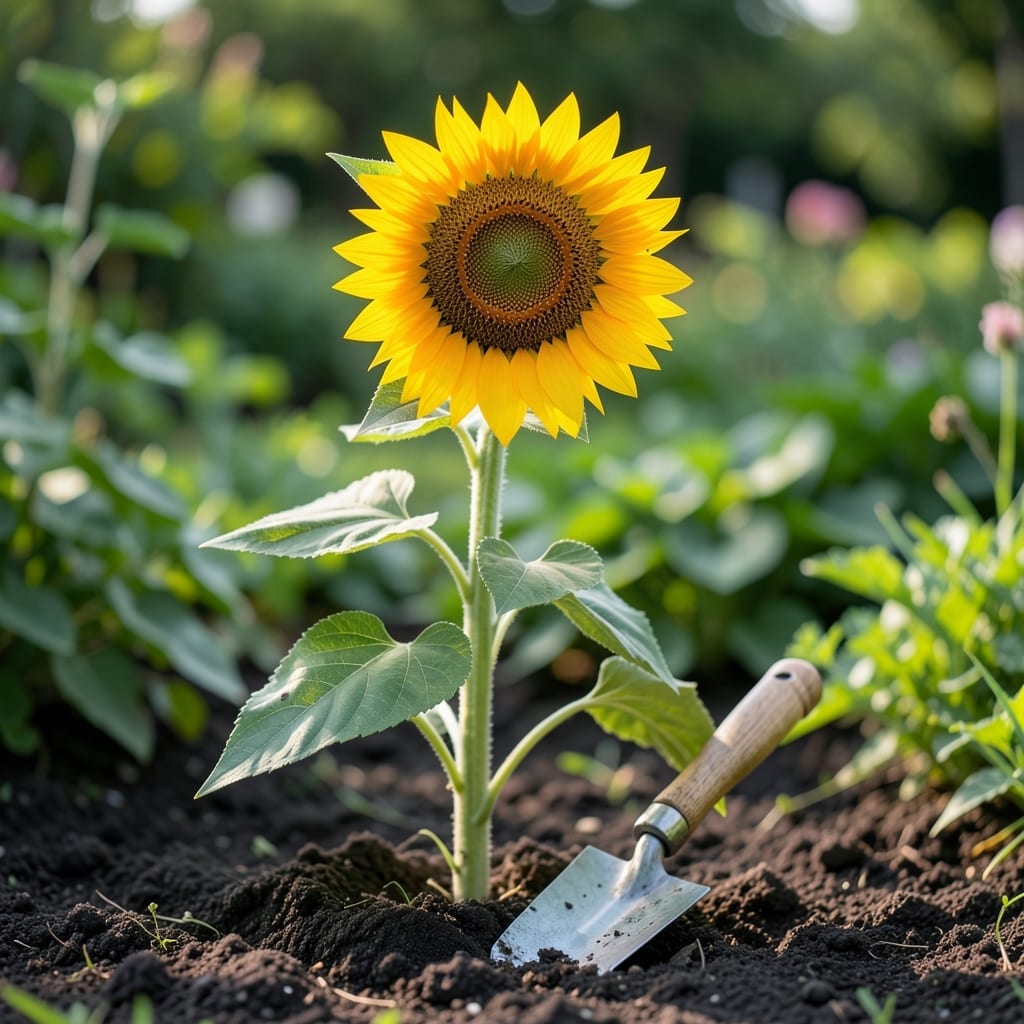
Timing is everything when planting Sunflower seeds in Wisconsin, where the growing season is short and weather can be unpredictable. Plant too early, and frost may kill your seedlings; plant too late, and your 🌻 may not mature before fall.
Wisconsin’s USDA zones 4b-5a bring unique challenges. The last frost typically hits around mid-May, but soil temperature is the real game-changer. You need that soil to reach at least 55°F for the best start.
I’ve learned through trial and error that April through June offers your best window. This gives your Sunflower the full summer it needs to grow tall and strong before harvest time rolls around.
Let me walk you through the exact timeline and tips to get your Wisconsin Sunflower garden thriving. The difference between a struggling plant and a spectacular bloom often comes down to just a few well-timed decisions.
Wisconsin’s USDA zones 4-5 create unique challenges for planting sunflower seeds. The key is waiting until soil temps hit 55-60°F, which usually happens in mid-to-late May for most areas. Northern regions may need to wait until early June.
In southern Wisconsin, you can start as early as late April if the soil is warm enough. For dwarf varieties, planting can extend into early July, but taller types need the full season.
| Zone | Planting Window | Soil Temp | Notes |
|---|---|---|---|
| 4b | May 15 – June 10 | 55-60°F | Avoid early frosts |
| 5a | May 1 – May 20 | 55-60°F | Warmer soil earlier |
| All | April 15 – May 1 | – | Indoor start only |
For early blooms, I recommend starting seeds indoors 2-3 weeks before the last frost date. This gives them a head start, especially for giant sunflowers that need 80-120 days to mature.
If you’re planting directly outdoors, wait until after the last frost—typically May 15 in most of Wisconsin. Use a soil thermometer to confirm temperatures before sowing.
Dwarf sunflowers like ‘Teddy Bear’ or ‘Sunspot’ can be planted later in the season, even up to early July, since they mature in 60-70 days. This makes them ideal for succession planting.
In northern Wisconsin, the window is tighter. Stick to fast-maturing varieties like ‘Autumn Beauty’ or ‘Moulin Rouge’, which can handle the shorter growing season.
For southern Wisconsin, you have more flexibility. I’ve had success planting mid-April in protected microclimates, but always cover seedlings if a late frost is forecast.
Succession planting works well here—sow a new batch every 2-3 weeks until early July for continuous blooms through fall. This ensures you’ll have sunflowers at every stage.
Remember, sunflowers crave full sun—at least 6-8 hours daily. Choose a south-facing spot for the best results. And always water deeply after planting to help seeds settle. ☀️
Wisconsin’s clay-heavy and sandy soils need extra love before planting sunflower seeds. I always start with a soil test to check pH, aiming for that sweet spot between 6.0-7.5 for happy sunflowers.
Good drainage is non-negotiable, especially in our state’s often compacted earth. I work in organic matter like compost to loosen up heavy clay and boost moisture retention in sandy spots. This step makes all the difference come planting time.
For northern Wisconsin gardens, I add extra perlite to help with drainage. In southern areas with sandier soil, I focus on moisture retention by mixing in peet moss or well-rotted manure.
Remember, sunflowers are heavy feeders. I mix in a slow-release fertilizer at planting time. This gives them the nutrients they need for those impressive 8-12 ft heights Wisconsin summers can produce.
Don’t skip the final soil prep step: water your beds a day before planting. This helps settle the soil and gives your seeds the perfect moist environment to start germinating.
With proper soil prep, your Wisconsin sunflowers will have the strong foundation they need to weather our sometimes finicky growing season and reach for the sky. ☀️