
Beautiful Plants For Your Interior
Beautiful Plants For Your Interior
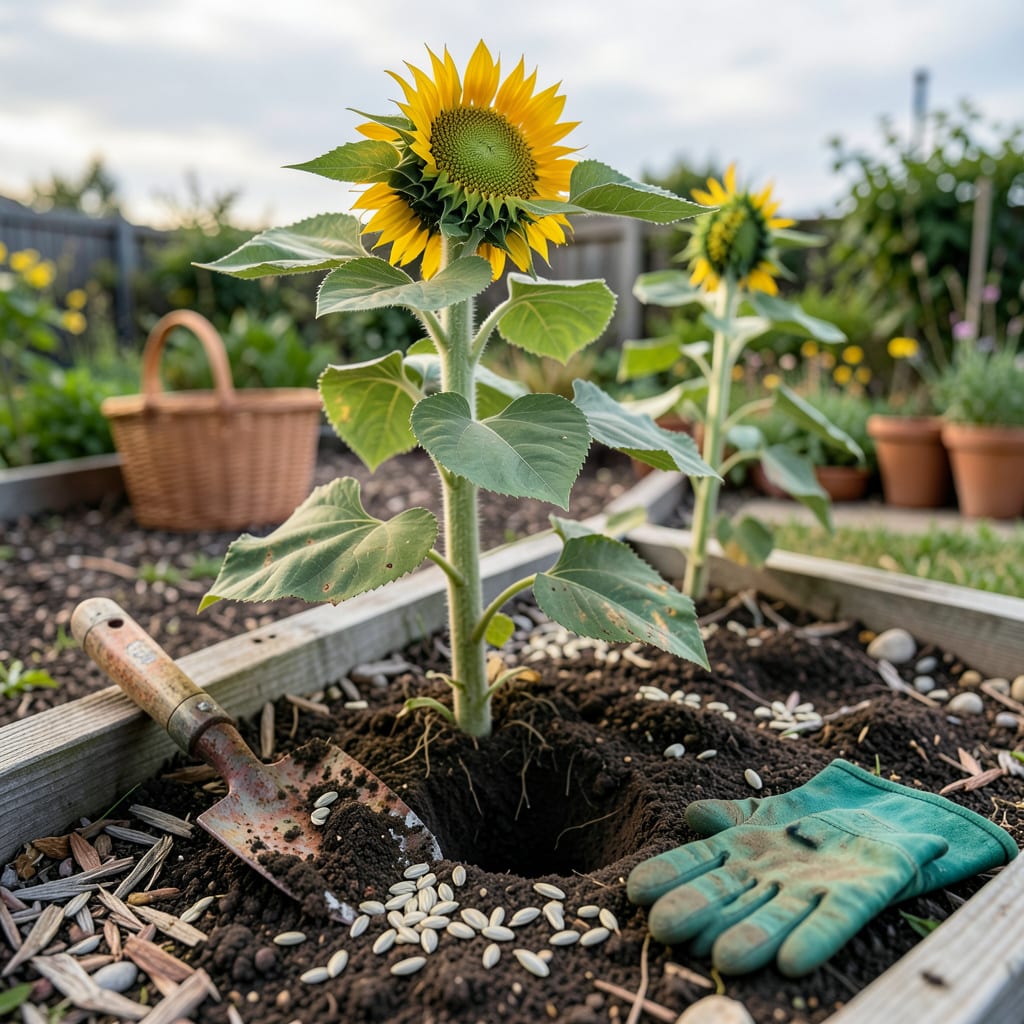
Texas gardeners know the struggle: one week it’s frost warnings, the next it’s 100°F heat. When you’re growing sunflowers 🌻, that unpredictable swing can make or break your blooms. Timing isn’t just important—it’s everything.
I’ve seen too many sunflowers wilt under Texas’s scorching summer or get zapped by a surprise late frost. The good news? With the right planting window for your specific region, you can grow towering, vibrant sunflowers that laugh in the face of Texas weather. Let me show you exactly when to get those seeds in the ground.
If you’ve ever watched a Texas sunflower wilt in July’s heat or get zapped by a late frost, you know timing is everything. Texas spans USDA zones 6a-10b, meaning what works in Amarillo won’t fly in Brownsville. The secret? Plant when soil temps hit 55°F—not a day sooner.
I’ve tested this across the state: North Texas gardeners need to watch for late frosts, while Gulf Coast growers battle humidity. Even the same sunflower variety (like ‘Autumn Beauty’) will thrive in Lubbock but struggle in Houston if planted at the wrong time. Let’s break it down by region.
| Region | USDA Zone | Planting Window | Last Frost Date | Recommended Varieties |
|---|---|---|---|---|
| North Texas (Dallas, Fort Worth) | 7b-8a | March 15–April 15 | March 20 | ‘Russian Giant’, ‘Teddy Bear’ |
| Central Texas (Austin, San Antonio) | 8a-8b | Feb 20–March 30 | Feb 15 | ‘Moulin Rouge’, ‘Lemon Queen’ |
| East Texas (Houston, Beaumont) | 8b-9a | Feb 1–March 15 | Jan 30 | ‘Autumn Beauty’, ‘Velvet Queen’ |
| West Texas (El Paso, Lubbock) | 7a-8a | March 10–April 10 | March 15 | ‘Dwarf Sunspot’, ‘Italian White’ |
| South Texas (San Antonio south) | 9a-10b | Jan 15–Feb 28 | Jan 10 | ‘Mexican Sunflower’, ‘Evening Sun’ |
Pro Tip: For fall planting in zones 8-10, sow seeds Aug 15–Sept 1 to avoid summer heat stress.
Notice how South Texas starts 6 weeks earlier than the Panhandle? That’s because our soil warms faster near the Gulf. I once planted ‘Russian Giant’ in Houston on February 1st—by May, it hit 10 feet tall. But try that in Amarillo, and you’ll be replanting after a freeze.
For dwarf varieties (under 5 feet), you can push the window 2 weeks later since they mature faster. But those 12-foot giants? They need every day of growing season. Always check your local soil temp with a thermometer—don’t guess!
Here’s my foolproof test: Stick your finger 2 inches deep into the soil at 10 AM. If it feels warm to the touch (not cold or scorching), it’s go time. In clay-heavy soils (common in Central Texas), wait until temps hit 60°F to avoid rot.
Remember, sunflower seeds won’t germinate in soil below 50°F. I learned this the hard way when my early March planting in DFW sat dormant for 3 weeks until the soil warmed. Patience pays off—trust the thermometer, not the calendar!
For fall sunflowers, timing is even trickier. You’ll need to count backward from your first frost date. In Austin, that means planting by August 20th for blooms before Halloween. Use fast-maturing varieties like ‘Sunrich Orange’ (60 days) for fall success.
One final tip: If you’re in West Texas, where droughts are common, soak seeds overnight before planting. This gives them a head start in dry conditions. I’ve seen germination rates jump from 60% to 90% with this simple trick.
Now that you’ve got the timing down, let’s talk about the 3 critical factors that will make or break your Texas sunflowers—because even perfect planting dates won’t help if your soil is rock-hard or your watering is inconsistent.
Getting the timing right is just the first step—Texas sunflowers need more than perfect planting dates. I’ve learned that soil prep, watering strategies, and pest control can make or break your sunflower patch. Let’s dig into what really matters.
Our Texas clay soil can be a sunflower’s worst enemy if not amended properly. I always mix in 2-3 inches of compost to improve drainage. Sunflowers hate wet feet, especially in our sudden downpours. A little prep work now prevents root rot later.
Watering in Texas isn’t just about quantity—it’s about timing. I water my sunflowers before 9 AM to reduce evaporation. Evening watering can invite fungal diseases in our humid regions. A 2-3 inch mulch layer helps retain moisture during those 100°F+ days.
Pests love Texas sunflowers as much as we do. Squirrels and birds will dig up seeds if unprotected. I use lightweight row covers until plants reach 6 inches tall. For aphids (common in our humidity), a weekly blast of water keeps them in check without chemicals.
Don’t overlook spacing—crowded sunflowers compete for water and nutrients. In Texas, I give dwarf varieties 12 inches and giant types 24 inches between plants. This extra room helps airflow, reducing fungal risks in our humid summers.
Finally, watch for heat stress signs: wilting leaves or yellowing lower foliage. When Texas temperatures soar above 95°F, my sunflowers appreciate afternoon shade from taller plants or temporary shade cloth. With these adjustments, you’ll grow sunflowers that stand tall against Texas’s toughest conditions.
Even with perfect timing, Texas sunflowers can struggle if you fall into these common traps. I’ve made every single one of these mistakes—so you don’t have to. Let’s fix them before they wreck your sunflower patch.
The biggest error I see? Overwatering in clay soil. Texas clay holds moisture like a sponge, and sunflowers hate wet feet. I lost an entire patch of ‘Russian Giants’ to root rot until I learned to water only when the top 2 inches of soil are dry.
Another Texas-specific issue: planting in partial shade. I tried growing sunflowers under a pecan tree once—big mistake. They stretched 8 feet tall but never bloomed. Sunflowers need 6-8 hours of direct sun, especially in our shorter growing seasons.
Don’t forget about pollinators! Texas sunflowers rely on bees and butterflies. If you’re using pesticides, switch to neem oil sprays in early morning when pollinators are less active. I boost my sunflower patches by planting native milkweed nearby.
Finally, watch for sudden temperature swings. Texas can go from 40°F to 90°F in a week. When late frosts threaten, cover young plants with frost cloth. For heat waves, temporary shade cloth saves blooms from scorching. With these fixes, your sunflowers will thrive despite Texas’s mood swings! 🌻
Sunflower seeds need soil temps of at least 55°F to germinate properly. In Texas, this typically happens 2-3 weeks after your last frost date. Use a soil thermometer for accuracy—don’t guess!
Avoid summer planting in most of Texas—the extreme heat stresses young plants. The exception is South Texas (zones 9-10), where you can plant fast-maturing varieties in late summer for fall blooms.
Plant seeds 1 inch deep maximum. Texas clay soil is dense, so deeper planting can prevent sprouting. For dwarf varieties, ½ inch depth works best. Always water gently after planting to settle the soil.
Overwatering in clay soil is the #1 killer of Texas sunflowers. Our clay holds moisture like a sponge, leading to root rot. Water only when the top 2 inches of soil are dry.
Yes! Giant sunflowers (12+ feet) need 2-3 weeks more growing time than dwarfs. In North Texas, plant giants by March 15; dwarfs can wait until early April. Always check seed packets for maturity days.
