
Beautiful Plants For Your Interior
Beautiful Plants For Your Interior
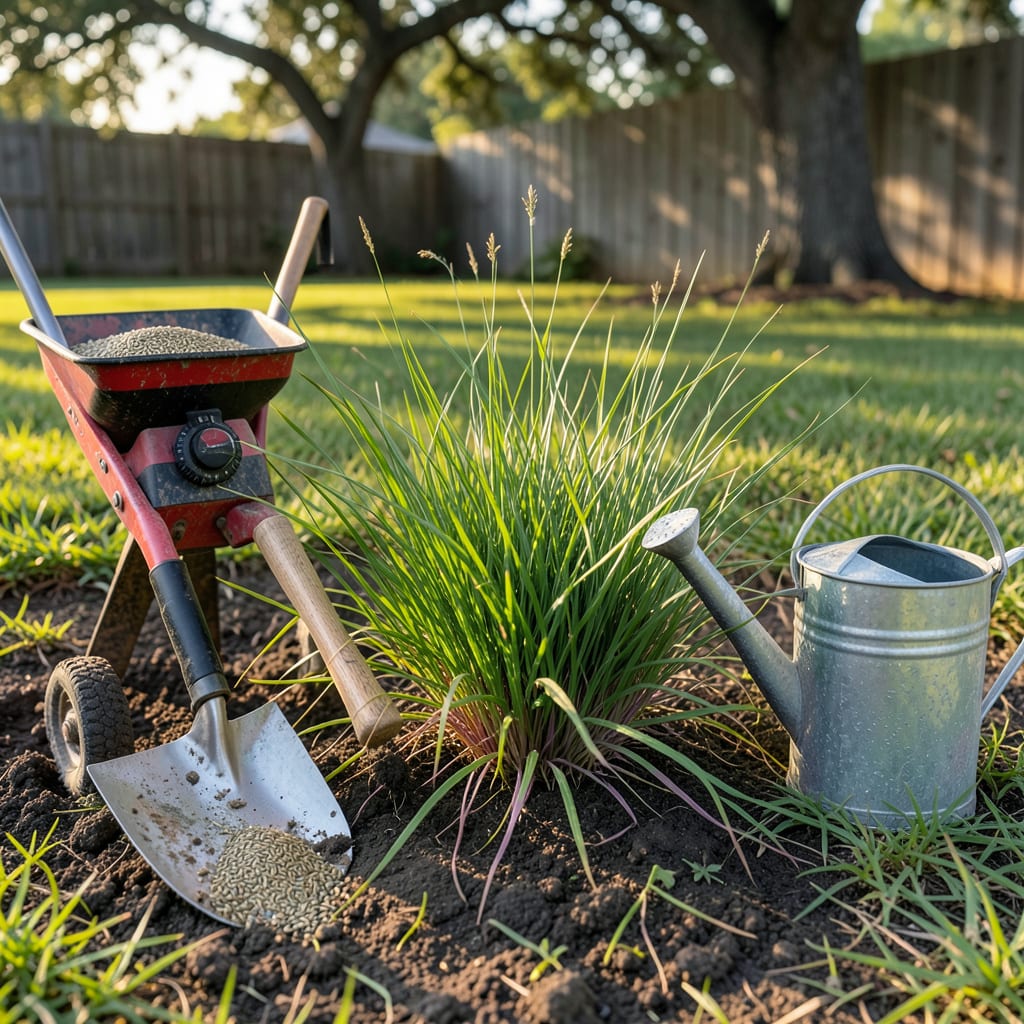
Timing isn’t just important—it’s everything when planting summer grass in Arizona. One wrong move, and your lawn could fry in the heat or drown in monsoon rains. But here’s the good news: I’ve cracked the code for perfect timing to get that lush, green carpet you’re dreaming of.
Whether you’re working with 🌿 Bermuda, Zoysia, or Buffalo grass, the window is tighter than you think. I’ll show you exactly when to plant—and why those extra weeks can mean the difference between a thriving lawn and a patchy mess. Let’s get it right the first time.
If you’ve ever watched your neighbor’s lawn thrive while yours struggles, timing is likely the culprit. In Arizona, planting summer grass isn’t just about picking a month—it’s about matching the right grass type to the perfect soil temperature and avoiding monsoon chaos. Let’s break it down.
For most of Arizona, the sweet spot is late April through June, but the exact window shifts based on elevation. Low-desert areas like Phoenix can start earlier, while higher elevations (Flagstaff) need to wait until soil warms. I’ll show you how to time it for your specific zone.
| Grass Type | Best Planting Months | Soil Temp Threshold | AZ Region Suitability |
|---|---|---|---|
| Bermuda 🌿 | April–June | 70°F+ | Low desert (Phoenix, Tucson) |
| Zoysia 🌱 | May–July | 75°F+ | Mid-elevation (Prescott, Yuma) |
| Buffalo 🌿 | May–June | 65°F+ | High desert (Flagstaff, Payson) |
| St. Augustine 🌿 | June–July | 80°F+ | Low desert (shaded areas) |
Bermuda grass is the gold standard for Arizona’s low desert. It laughs at 110°F days and recovers quickly from foot traffic. But here’s the catch: plant it too early (before soil hits 70°F), and it’ll sulk. Wait until mid-April in Phoenix or early May in Tucson for best results.
Zoysia is the slow-but-steady option. It takes longer to establish but handles heat like a champ. In Prescott or Yuma, aim for late May when soil temps stabilize above 75°F. Pro tip: Zoysia hates wet feet, so avoid planting right before monsoon season.
Buffalo grass is the water-wise hero for higher elevations. It thrives in Flagstaff’s cooler summers but needs full sun. Plant in late May or early June when nighttime temps stay above 60°F. Bonus: It stays green with half the water of other grasses.
St. Augustine is the shade-tolerant diva of Arizona grasses. It loves humidity (rare here) and needs more water than others. Stick to June planting in low-desert areas with afternoon shade. Avoid it in Flagstaff—it won’t survive the winters.
Here’s the soil temp trick I use: Grab a meat thermometer (yes, really!) and stick it 2 inches into your soil at 10 AM. If it reads 70°F or higher for 3 days straight, you’re good to plant. No guesswork—just science.
Remember, Arizona’s monsoon season (July–September) is a double-edged sword. New grass needs water, but too much rain can drown it or wash seeds away. If you’re planting in June, add a light mulch layer to protect seeds from heavy downpours.
For Phoenix and Tucson, I recommend Bermuda or Zoysia for their drought tolerance. In higher elevations like Sedona or Payson, Buffalo grass is your best bet. And if you’ve got shady spots, St. Augustine (with extra TLC) can work in microclimates.
Still unsure? Check with your local UArizona Cooperative Extension office—they’ve got hyper-local data on soil temps and frost dates. Or just follow this rule: When your mesquite tree starts leafing out, it’s go time for summer grass.
One last thing: Avoid planting in August. The heat is brutal, and monsoon storms can ruin your hard work. Stick to the April–July window, and you’ll be sipping lemonade on a lush lawn by fall. 🌿
Arizona’s monsoon season (July–September) can make or break your new summer grass. While the rains seem like a blessing, they often bring erosion risks, fungal threats, and uneven growth. Here’s how I’ve learned to work with—not against—the storms.
The biggest mistake I see? Planting right before monsoon hits. Young grass roots aren’t deep enough to handle torrential downpours. If you’re seeding in late June, add a straw mulch layer (¼ inch max) to protect seeds without smothering them.
If you must plant in July, choose sod over seed. Sod’s established roots can handle monsoon stress better. For seeded lawns, I recommend hydroseeding—the mulch slurry protects seeds while keeping them moist.
Here’s my monsoon-proofing
For Bermuda grass, mid-April is perfect in Phoenix if soil temps hit 70°F+. But check with a meat thermometer first—consistent warmth is key.
Other grasses like Zoysia need warmer soil (75°F+), so wait until May. Early planting risks slow germination or frost damage in cooler microclimates.
It’s risky but doable with precautions. Opt for sod instead of seed to avoid washout, and add a straw mulch layer (¼ inch max).
Seeds planted in July often struggle with fungal diseases from excess moisture. If you must seed, choose hydroseeding for better protection.
Buffalo grass wins for water efficiency—it stays green with half the water of Bermuda or Zoysia. Ideal for higher elevations like Flagstaff.
In low-desert areas, Bermuda is the next best drought-tolerant option, but it’ll need deep watering 2-3x weekly in peak summer.
Use a meat thermometer! Insert it 2 inches deep at 10 AM. Three consecutive days at 70°F+ means go time.
No thermometer? Watch your mesquite tree—when it starts leafing out, soil temps are likely ready for Bermuda or Buffalo grass.
Overwatering seedlings is the top killer. New grass needs moist but not soggy soil—aim for 1 inch per week, split into short sessions.
Planting too late (August+) is another error—heat stress and monsoon storms make establishment nearly impossible.
