
Beautiful Plants For Your Interior
Beautiful Plants For Your Interior
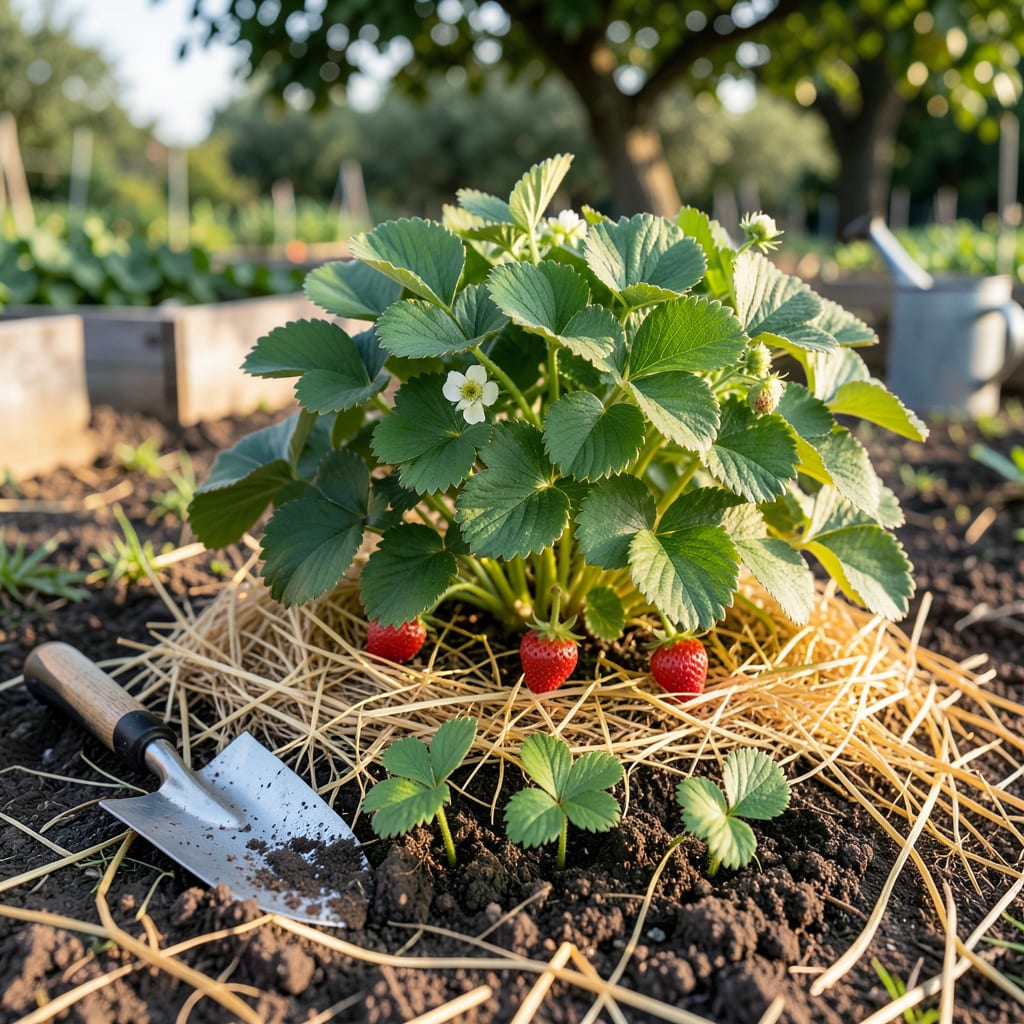
Zone 9 gardeners have a sweet advantage when it comes to growing 🍓 strawberries—if you nail the timing. Plant at the wrong moment, and you might end up with lackluster berries or a struggling patch.
Here’s the good news: with our mild winters and long growing season, you can enjoy multiple harvests. I’ll break down the perfect planting windows for each strawberry type and share how to work with Zone 9’s unique climate for juicier, bigger yields.
If you’re growing strawberries in Zone 9, timing isn’t just important—it’s everything. Our mild winters and hot summers create a unique rhythm for planting. The key is working with fall planting for perennial yields, which often outperforms spring planting in our region.
Different strawberry types have different needs. June-bearing varieties thrive with fall planting, while everbearing and day-neutral types offer more flexibility. Let’s break down the ideal windows for each, considering both coastal and inland microclimates.
For June-bearing strawberries, I recommend planting in October–November. This gives roots time to establish before winter, leading to stronger spring growth. Inland gardeners should aim for early October, while coastal growers can push to late November.
Everbearing varieties are more flexible. Plant in fall (September–October) for spring harvests, or in late winter (February–March) for summer berries. These adapt well to Zone 9’s mild winters, often producing two main crops per year.
Day-neutral strawberries are the superstars of Zone 9. With proper care, they’ll produce nearly year-round. Plant in fall (October–December) for winter establishment, or in January–February for quick spring harvests. They handle our temperature swings better than other types.
Remember, soil temperature matters more than air temperature. Aim for 50–60°F soil temps when planting. Use a soil thermometer—it’s a game-changer. Inland areas may need to plant earlier than coastal spots due to faster temperature fluctuations.
Pro tip: If you’re planting in spring, choose day-neutral varieties and plant by early March. Spring-planted June-bearing strawberries often struggle with our early summer heat, leading to smaller yields.
For all types, prepare your soil with compost and ensure good drainage. Strawberries hate wet feet! Mulch heavily after planting to protect roots from temperature swings and conserve moisture during our dry spells.
If you’re unsure about your microclimate, observe your area. Coastal Zone 9 stays cooler longer, while inland areas heat up faster. Adjust planting times by 2–3 weeks based on your specific conditions. When in doubt, fall planting is your safest bet for perennial success.
Want to maximize your harvest? Combine different types. Plant June-bearing for a big spring crop, then add day-neutral varieties for continuous production. This strategy gives you strawberries from March through November in Zone 9! 🍓
Getting your strawberries in the ground at the right time in Zone 9 means the difference between a trickle of berries and a bumper crop. Our long growing season lets us plant nearly year-round, but each month has specific tasks for success. Let me walk you through the ideal timeline.
Start preparing in late summer—this is when you’ll want to test your soil and amend it with compost. By September, you can begin planting everbearing varieties, while October is prime time for June-bearing types. The key is working with our mild winters rather than against them.
Test soil pH (aim for 5.5–6.5). Add compost and sulfur if needed. Remove weeds.
Start everbearing varieties. Coastal areas can plant June-bearing now; inland wait until October.
Plant all types. Mulch with straw to protect roots from temperature swings. Water deeply 2x/week.
Check mulch depth (2–3 inches). Remove any yellow leaves. Hold off on fertilizing until February.
Apply balanced fertilizer (5-10-10). Trim dead foliage. Start everbearing varieties for summer harvest.
June-bearing strawberries ripen. Harvest every 2–3 days. Keep soil moist but not soggy.
Provide afternoon shade for day-neutral varieties. Increase watering to daily in extreme heat.
Remove old plants after 3 years. Prepare beds for fall planting. Take cuttings from runners.
One common mistake I see is planting during heatwaves. If temperatures exceed 85°F, hold off—new plants will struggle to establish. Early morning planting helps reduce transplant shock during warm months. Always water immediately after planting.
For spring planting, focus on day-neutral varieties like ‘Albion’ or ‘Seascape’. These handle our warming temperatures better than June-bearing types. Plant by early March to avoid the heat. Use shade cloth if planting later in spring.
Remember that coastal and inland areas differ. Coastal gardeners can plant about 2 weeks later in fall and spring. Inland areas should plant earlier to avoid temperature extremes. When in doubt, check your soil temperature—it should be between 50–70°F.
Want to extend your season? Use cold frames in winter for earlier spring harvests, or shade cloth in summer to protect berries from sunburn. With this calendar, you’ll have strawberries from March through November—maybe even longer! 🌱
Zone 9’s mild winters and long growing season give us a unique opportunity to enjoy strawberries nearly year-round. With the right techniques, you can stretch your harvest from early spring through late fall—and sometimes even winter! The secret lies in combining smart variety selection with seasonal protections.
Start by choosing day-neutral varieties like ‘Albion’ or ‘Seascape’—these powerhouses produce continuously when temperatures stay between 50–80°F. Pair them with everbearing types for a staggered harvest. Coastal gardeners have an edge here, as their cooler summers allow for longer production windows.
For summer extension, shade cloth is your best friend. Install 30–50% shade over plants when temperatures exceed 85°F. I use removable shade structures that can be adjusted as needed. Day-neutral varieties under shade will keep producing through July and August when others falter.
Winter production is possible with cold frames or low tunnels. These simple structures trap heat during the day and protect from occasional frosts. In coastal Zone 9, you can often harvest through December and January with this protection. Inland gardeners should focus on fall planting for winter establishment.
Don’t overlook succession planting. By planting new strawberry sets every 6 weeks from September through March, you’ll create overlapping harvest windows. Combine this with variety selection—plant June-bearing in fall for spring harvest, then add day-neutral plants in late winter for summer/fall production. This strategy gives me strawberries 10 months of the year!
Remember that watering consistency becomes even more critical with extended seasons. Use drip irrigation to maintain even moisture—strawberries hate wet leaves but need consistently moist soil. In summer, water in early morning to reduce evaporation. Winter watering should be lighter but never let plants completely dry out.
For the most ambitious gardeners, try container growing with day-neutral varieties. Containers can be moved to optimal locations—shade in summer, sun in winter. This mobility lets you micro-manage conditions for maximum production. With these techniques, you’ll be harvesting strawberries when others are just dreaming of spring! 🌱
Fall planting (October–November) is ideal for most varieties. It allows roots to establish during mild winters, leading to stronger spring growth. Spring planting works for day-neutral types but risks heat stress as summer approaches.
With day-neutral varieties and seasonal protections, yes! Use shade cloth in summer and cold frames in winter. Coastal areas have an advantage with more consistent temperatures for extended harvests.
Start with ‘Albion’ or ‘Seascape’—both are day-neutral, disease-resistant, and thrive in our climate. They produce continuously when temperatures stay between 50–80°F, perfect for Zone 9’s mild winters.
Install 30–50% shade cloth when temperatures exceed 85°F. Water deeply in early morning and mulch with straw to retain moisture. Day-neutral varieties handle heat better than June-bearing types.
Yes! Coastal areas can plant about 2 weeks later in both fall and spring due to cooler temperatures. Inland gardeners should plant earlier to avoid heat spikes and faster temperature fluctuations.
