
Beautiful Plants For Your Interior
Beautiful Plants For Your Interior
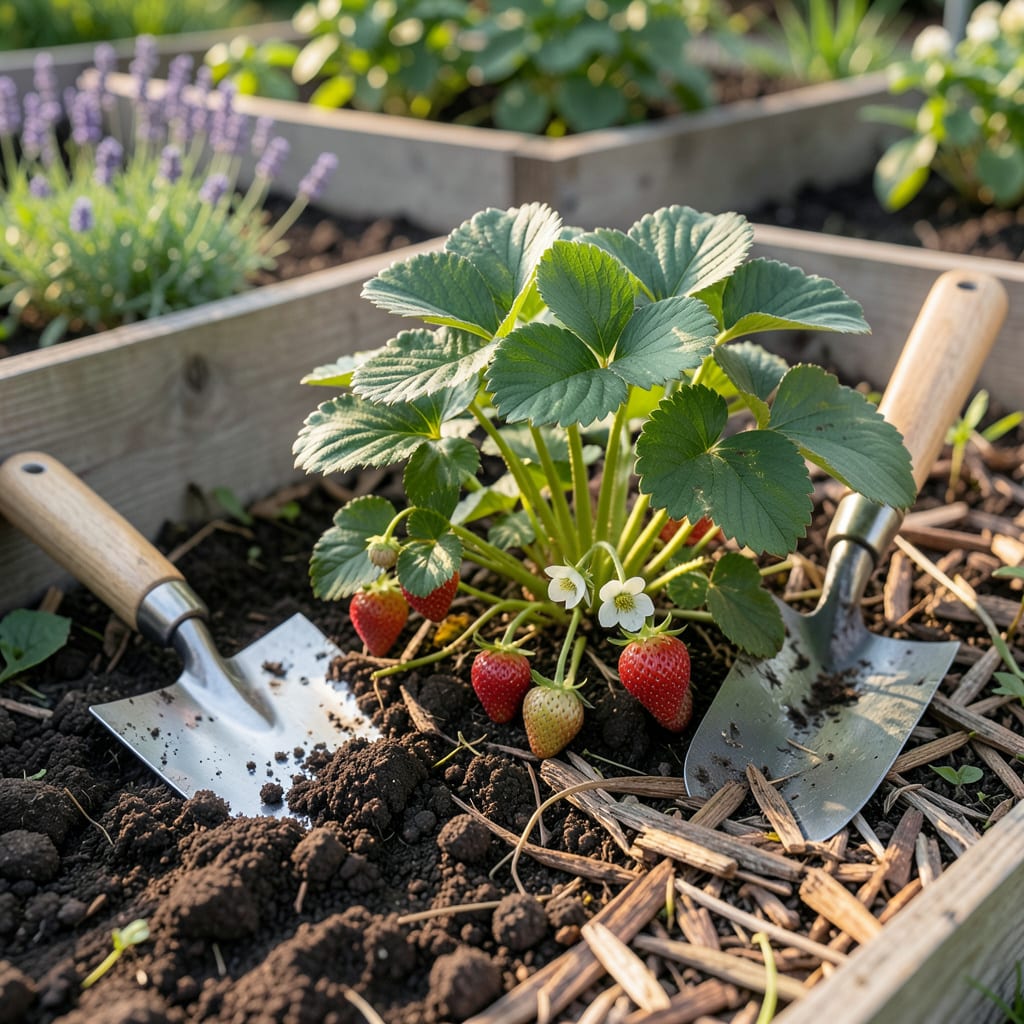
If you’ve ever bitten into a store-bought strawberry and thought, “This could be sweeter,” you’re not alone. The secret to those burst-with-flavor berries starts with perfect timing—especially in Zone 8, where our mild winters and early springs create a unique planting puzzle.
Get it right, and you’ll be rewarded with juicier harvests by late spring. But plant too early or too late, and you might end up with lackluster results. Let me walk you through the exact windows for planting strawberries in Zone 8, so you can grow the most delicious berries of your life—no green thumb required.
In Zone 8, our mild winters and early springs give us two prime planting windows for strawberries: fall and early spring. The key is matching your planting time to the strawberry type. June-bearing varieties thrive with fall planting, while everbearing and day-neutral types can go in spring.
For fall planting, aim for September through October. This gives roots time to establish before winter dormancy. Spring planting should happen in February or March, once soil temperatures hit 60°F. Bare-root plants need this warmth to avoid shock.
| Strawberry Type | Best Planting Time | Soil Temp | Notes |
|---|---|---|---|
| June-bearing | Sept–Oct (fall) | 50–60°F | Largest spring harvest |
| Everbearing | Feb–Mar (spring) | 60°F+ | Multiple harvests |
| Day-neutral | Feb–Mar (spring) | 60°F+ | Heat-tolerant option |
| Bare-root | Sept–Oct or Feb–Mar | 50°F+ | Soak roots 1 hour pre-plant |
| Container | Year-round (avoid frost) | 60°F+ | Move pots to shelter in winter |
For fall planting, I recommend varieties like ‘Chandler’ or ‘Seascape’—they handle Zone 8 winters well. Spring plantings do better with ‘Albion’ or ‘Tristar’, which tolerate our early summer heat. Always check your local frost dates—Zone 8a and 8b can vary by 2-3 weeks.
Soil prep matters just as much as timing. Before planting, work in 2-3 inches of compost and aim for a pH of 5.5–6.5. Strawberries hate soggy roots, so ensure your bed has excellent drainage. Raised beds work beautifully for this in our clay-heavy Zone 8 soils.
If you’re planting bare-root strawberries, trim any damaged roots and soak them in lukewarm water for an hour before planting. This rehydrates the plants and reduces transplant shock. Space them 12–18 inches apart to allow for runners—crowding leads to smaller berries and disease issues.
For container planting, use pots at least 8 inches deep with drainage holes. I like mixing potting soil with perlite (3:1 ratio) for aeration. Remember that containers dry out faster, so you’ll need to water daily once temperatures climb above 80°F.
Mulching is non-negotiable in Zone 8. After planting, apply 2–3 inches of straw or pine needles to retain moisture and suppress weeds. In winter, mulch protects crowns from occasional cold snaps. Come spring, pull back mulch slightly to let soil warm up but keep it handy for moisture control.
One trick I swear by: plant in late afternoon to reduce heat stress on new transplants. This gives them overnight to acclimate before facing our intense Zone 8 sun. And
Watch for first-year harvests—they’ll be lighter but incredibly sweet. By the second year, your plants will be fully established, and you’ll see why proper timing makes all the difference. With these windows and techniques, you’re set for pint after pint of homegrown strawberries that put grocery store berries to shame.
Remember, Zone 8’s long growing season is your advantage. While northern gardeners are just starting, you’ll be harvesting your first berries by late April or early May. That’s the power of perfect planting timing in our unique climate!
Zone 8’s long growing season gives us a unique advantage for strawberries, but timing is everything. Our mild winters and early springs mean we can plant earlier than most—but we’ve got to work with the soil temperatures and frost dates. Let me break down exactly what to do each month.
Start prepping in August by testing your soil and adding compost. By September, you’re ready for fall planting—this is when I get my June-bearing varieties in the ground. They’ll establish roots before winter and reward you with a bumper crop next spring.
If you miss the fall window, don’t worry—February through early March is your spring planting sweet spot. This is ideal for everbearing and day-neutral varieties like ‘Albion’ or ‘Tristar’. Just ensure soil temps stay above 60°F for at least a week before planting.
Remember that Zone 8a and Zone 8b can differ by 2-3 weeks. Coastal areas often have milder winters, so you might plant a bit earlier. Inland gardeners should watch for late frost—our last frost date is typically March 15, but keep row covers handy just in case.
For container gardeners, you’ve got more flexibility. I start my pots in late February indoors, then move them outside once nighttime temps stay above 50°F. Use black plastic mulch to warm soil faster in spring—this trick can give you berries 2 weeks earlier!
One pro tip: Plant on cloudy days or in late afternoon to reduce transplant shock. Our Zone 8 sun can be intense, even in early spring. After planting, water deeply and apply straw mulch to keep roots cool and moist. This simple step prevents up to 50% of water loss through evaporation.
By following this calendar, you’ll sync your strawberries with Zone 8’s natural rhythms. The result? Sweeter berries, bigger harvests, and plants that keep producing year after year. That’s the power of planting with precision in our wonderful growing zone! 🌱
Even with perfect timing, small mistakes can sabotage your strawberry harvest in Zone 8. I’ve seen gardeners lose entire plants by overlooking simple details. Let’s fix the most common errors before they cost you those sweet, juicy berries you’re dreaming about.
The biggest mistake I see is planting too deep or too shallow. Strawberry crowns need to sit just above soil level—bury them and they’ll rot; leave them exposed and they’ll dry out. Aim for the “half in, half out” rule where the crown’s center stays visible.
Another critical error is neglecting soil preparation. Zone 8’s clay-heavy soils need amendment before planting. I mix in 3 inches of compost and 1 inch of sand to improve drainage. Test your soil pH—strawberries won’t thrive if it’s above 6.5. A simple $10 test kit saves months of frustration.
Watering mistakes wreck more strawberry plants than pests do. Many gardeners either drown their plants or let them dry out. The sweet spot is 1 inch of water weekly, delivered in morning sessions to prevent fungal issues. Drip irrigation works best—it keeps leaves dry while delivering moisture right to the roots.
Don’t forget about variety selection. Planting the wrong type for your goals causes disappointment. Want one big harvest? Choose June-bearing like ‘Chandler’. Prefer steady production? Go for day-neutral ‘Albion’. Each type has different planting windows and care needs in Zone 8’s climate.
Finally, pest prevention starts at planting. I lost my first strawberry crop to birds by not netting early enough. Install bird netting as soon as berries start coloring. For slugs, set up beer traps or copper tape around beds. A little prevention now saves heartbreak later when you’re ready to harvest.
Fall planting (September-October) gives roots time to establish before winter, leading to stronger plants and bigger spring harvests. Spring planting (February-March) works better for everbearing varieties but may yield smaller first-year crops. Fall is ideal for June-bearing types in Zone 8.
Use a soil thermometer to check temperatures at 4-inch depth for 3 consecutive mornings. Spring planting requires 60°F+, while fall planting can tolerate 50-60°F. Our Zone 8 soils typically reach this by late February for spring planting.
Yes, but avoid freezing temperatures. Move pots to sheltered areas when nights drop below 50°F. Use containers at least 8 inches deep with drainage holes. Container plants need more frequent watering—daily in summer when temps exceed 80°F.
Pine straw or shredded leaves work best—they allow airflow while retaining moisture. Apply 2-3 inches after planting and replenish as needed. Avoid plastic mulch in summer as it can overheat roots in our warm climate.
June-bearing varieties planted in fall will produce berries the following spring (about 8-9 months). Spring-planted everbearing types may yield small harvests by late summer. Full production typically starts in the second year, with peak harvests in April-May for Zone 8.
