
Beautiful Plants For Your Interior
Beautiful Plants For Your Interior
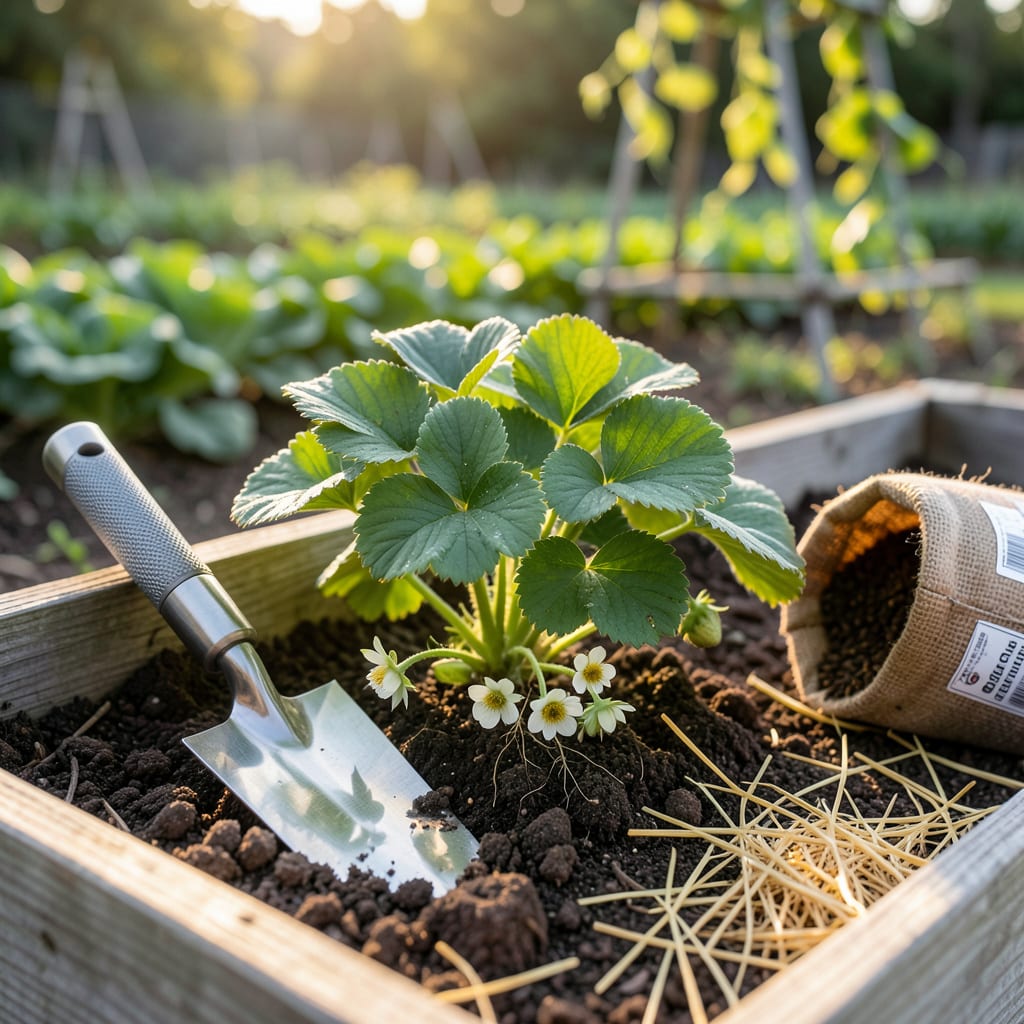
Timing your 🍓 strawberry planting in Zone 6B can mean the difference between a mediocre harvest and baskets overflowing with sweet, juicy berries. Plant too early, and a late frost might wipe out your dreams of summer shortcake. Wait too long, and your plants won’t establish before the heat hits.
I’ve tested both spring and fall planting windows here in Zone 6B, and the results might surprise you. Whether you’re growing June-bearing classics or everbearing varieties, I’ll break down the exact weeks to get those roots in the ground—plus the simple tricks to protect them from Mother Nature’s mood swings.
If you’re eager to grow juicy strawberries in Zone 6B, timing is your secret weapon. Plant too early, and a late frost could wipe out your tender starts. Wait too long, and your plants won’t establish before summer heat arrives. I’ve found the sweet spot lies in two key windows: early spring and early fall.
For spring planting, aim for late March to mid-April, once soil temps hit 50°F. This gives roots time to settle before summer. Fall planting? September to early October is ideal—plants focus on root growth before winter, then explode with berries next year. Let’s break it down by variety and method.
| Season | Best Months | Soil Temp | Variety | Plant Type |
|---|---|---|---|---|
| Spring | Late March–April | 50–60°F | June-bearing | Bare-root or potted |
| Spring | April–May | 55°F+ | Everbearing/Day-neutral | Potted preferred |
| Fall | September–October | 50–65°F | All types | Bare-root ideal |
Note: Fall-planted strawberries yield 20–30% more berries the following year due to established roots. Spring plantings may produce a smaller first harvest but extend the season.
For June-bearing varieties like ‘Chandler’ or ‘Jewel’, I always recommend fall planting. The cooler temps reduce stress, and plants develop stronger root systems over winter. You’ll get a bigger harvest the next June compared to spring-planted counterparts.
Everbearing and day-neutral types (think ‘Albion’ or ‘Seascape’) are more flexible. I’ve had success planting these in early May for a late-summer/fall crop. Just be sure to mulch heavily—straw or pine needles work—to retain moisture and suppress weeds.
Watch your last frost date (around April 15 in Zone 6B). If planting bare-root strawberries in spring, wait until 2 weeks after the last frost. Potted plants can go in 1–2 weeks earlier since they’re less shock-prone. Always harden off transplants for 3–5 days before moving them outside.
Soil prep matters just as much as timing. Aim for a pH of 5.5–6.5 and work in 2–3 inches of compost before planting. I like to add a balanced fertilizer (10-10-10) at planting, then switch to a high-phosphorus mix (5-10-10) once flowers appear to boost fruit production.
If you’re planting in fall, don’t expect berries that year—focus on root establishment. Clip off any flowers that form to direct energy downward. Come spring, you’ll be rewarded with vigorous plants ready to produce. For spring plantings, remove the first blossoms on June-bearing types to encourage stronger runners.
Watering is critical in those first few weeks. Keep soil consistently moist (but not soggy) for 2–3 weeks post-planting. I use a drip irrigation system on a timer to maintain even moisture—strawberries hate wet leaves, which can lead to gray mold. Mulch with straw (not hay!) to keep berries clean and reduce rot.
Finally, don’t forget row covers if a late frost threatens spring plantings. A floating row cover can protect blossoms down to 28°F. In fall, add an extra 4–6 inches of mulch after the first hard frost to insulate plants over winter. Come spring, rake it back to let plants wake up naturally.
Whether you choose spring or fall, the key is giving your strawberries time to acclimate before extreme temps hit. With the right timing and care, you’ll be enjoying homegrown berries for years to come. Next up, let’s compare spring vs. fall planting to see which might work best for your garden goals! 🌱
Choosing between spring and fall planting in Zone 6B isn’t just about timing—it’s about harvest goals. Spring planting gives you a smaller first-year crop, while fall planting sets you up for a bigger, sweeter harvest next season. I’ve tested both, and here’s what I’ve learned.
If you’re after same-year berries, plant in early April. You’ll get a modest harvest by June or July, but plants may struggle with summer heat. For long-term success, fall planting (September–October) lets roots establish without stress, leading to 20–30% more berries the following year.
Tip: For June-bearing varieties, fall planting wins. For everbearing, spring works if you want quick berries.
For June-bearing varieties like ‘Chandler’ or ‘Allstar’, I always recommend fall planting. The cooler temps let plants focus on root growth, not fruit. Come next June, you’ll have plump, sweet berries instead of struggling first-year plants.
Everbearing types (‘Albion’, ‘Seascape’) are more flexible. If you plant in spring, you’ll get a small fall crop the same year. But for maximum yield, fall planting still wins—just be patient for that first big harvest the following summer.
Climate risks play a role too. Spring plantings in Zone 6B face late frost risk until mid-April. I lost a whole bed one year to a surprise 25°F night—now I use row covers until May. Fall plantings avoid this but need extra mulch (4–6 inches) to survive winter.
My personal favorite? A split approach. I plant half in fall for next year’s big harvest and half in spring for a few early berries. This way, I get strawberries from June to October with minimal gaps. Just remember: fall-planted beds need winter protection, while spring beds demand consistent watering.
Whichever you choose, soil prep is key. Test your pH—strawberries love 5.5–6.5. Work in compost, and avoid heavy clay. If your soil stays soggy, consider raised beds for better drainage. A little prep now means sweeter berries later! 🌱
Even with perfect timing, small mistakes can sabotage your strawberry harvest in Zone 6B. I’ve made (and fixed!) these errors myself—like planting in compacted soil or skipping mulch. Let’s save you the heartache of stunted plants or rotten berries.
The biggest culprit? Ignoring soil pH. Strawberries thrive in slightly acidic soil (5.5–6.5). Test your soil first—if it’s too alkaline, mix in sulfur or pine needles before planting. Trust me, yellow leaves and weak growth aren’t worth the risk.
Fix these, and you’ll double your berry yield!
Overcrowding is another silent killer. I once packed plants 6 inches apart—big mistake! Strawberries need 12–18 inches of space for airflow. Tight spacing leads to disease and smaller berries. Use a ruler if you must!
Then there’s mulch choice. Hay seems cheap, but it’s full of weed seeds. Straw (or pine needles for acidity) keeps berries clean and deters slugs. Apply a 2-inch layer after planting, then top up to 4 inches before winter for insulation.
Watering wrong ruins more strawberry patches than you’d think. Overhead sprinklers wet leaves, inviting gray mold. Switch to drip irrigation or soaker hoses, watering early morning so foliage dries fast. Aim for 1–1.5 inches per week, more in extreme heat.
Finally, frost surprises wipe out spring blooms. Zone 6B’s last frost is around April 15, but late cold snaps happen. Keep floating row covers handy to toss over plants if temps dip below 32°F. For fall plantings, mulch heavily after the first hard frost—don’t wait! 🌱
Fall planting (September–October) is ideal for June-bearing varieties, as it allows roots to establish before winter. Spring planting (late March–April) works for everbearing/day-neutral types if you want a small first-year harvest.
Fall-planted strawberries produce 20–30% more berries the following year. Spring plantings may yield faster but require more watering and frost protection.
Use floating row covers to shield plants when temps drop below 32°F. Remove covers during the day to allow pollination.
For extra protection, apply 4–6 inches of straw mulch around plants. Avoid plastic covers, which can trap moisture and cause rot.
Use containers at least 8–12 inches deep with drainage holes. Fill with a mix of potting soil and compost for best results.
Containers dry out faster, so water daily in summer. Move pots to a sheltered spot in winter to prevent root damage.
Planting in compacted or alkaline soil (pH above 6.5) stunts growth. Test soil first and amend with sulfur or pine needles if needed.
Overcrowding is another common error—space plants 12–18 inches apart for airflow and disease prevention.
