
Beautiful Plants For Your Interior
Beautiful Plants For Your Interior
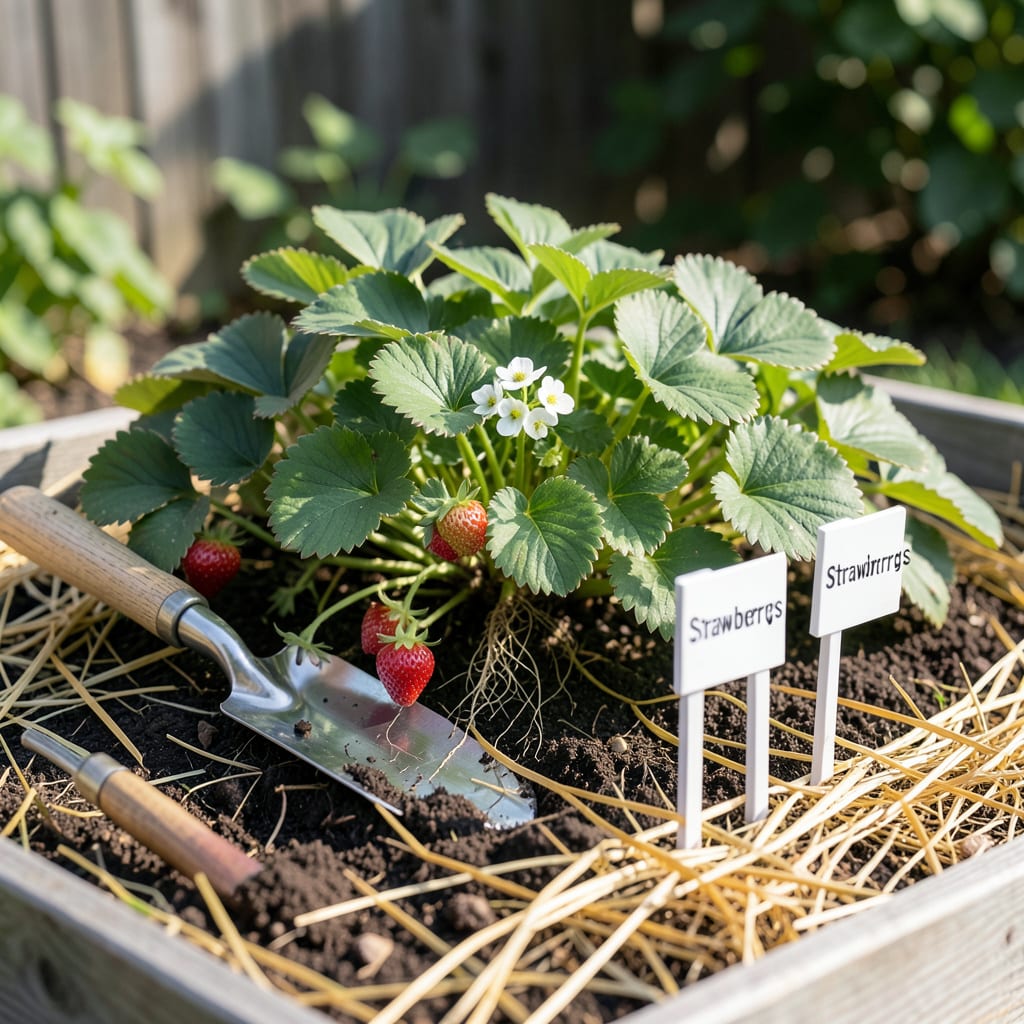
Imagine biting into a juicy, sun-warmed strawberry you grew yourself—only to realize you planted them at the wrong time. In Zone 6, timing isn’t just important; it’s the difference between a bumper crop and a disappointing harvest.
I’ve seen gardeners make this mistake year after year, but here’s the good news: with the right schedule, you can avoid it. Whether you’re planting in spring or fall, I’ll show you exactly when to get those 🍓 strawberries in the ground for maximum sweetness and yield.
Getting your strawberry planting timing right in Zone 6 can mean the difference between a bountiful harvest and a disappointing season. With our last frost date around April 15 and first frost near October 15, you’ve got two prime windows: early spring and late summer. 🌱
The key is matching your strawberry type to the season. June-bearing varieties thrive with spring planting, while everbearing or day-neutral types can handle fall planting for next year’s fruit. Soil temps should hit at least 40°F before you start. Let’s break it down by variety and method. 🌿
| Variety | Spring Planting | Fall Planting | Best For |
|---|---|---|---|
| June-bearing | March 15–April 15 | Not ideal | Biggest single harvest in Year 2 |
| Everbearing | April 1–May 1 | Aug 15–Sep 15 | Multiple smaller harvests |
| Day-neutral | April 1–May 15 | Aug 1–Sep 10 | Continuous light fruit all season |
| Bare-root | March 20–April 10 | Aug 20–Sep 5 | Cheaper but needs soil prep |
| Potted plants | April 1–May 1 | Aug 10–Sep 20 | Easier start, less shock |
Note: Adjust dates by 1–2 weeks for urban heat islands (earlier) or rural areas (later).
For spring planting, I always aim for 2–3 weeks before our last frost (so late March to early April). This gives roots time to establish before hot summer temps hit. If you’re planting bare-root strawberries, soak the roots for 1 hour in lukewarm water first. ✂️
Fall planting is my secret weapon for stronger plants. The August 15–September 15 window lets roots grow before winter dormancy. I’ve found ‘Albion’ and ‘Seascape’ everbearing varieties do especially well with fall planting in Zone 6. Just be sure to mulch heavily (4–6 inches of straw) before the first frost. 🌡️
If you’re torn between spring vs. fall, consider this: Spring-planted strawberries often give a smaller first-year harvest but establish faster. Fall-planted ones may not fruit until Year 2, but they develop deeper root systems for long-term productivity. I like to do both for continuous fruit! 🌿
Don’t forget soil prep—strawberries crave well-draining soil with a pH of 5.5–6.5. Work in 2–3 inches of compost and avoid areas where tomatoes or peppers grew recently (they share diseases). A raised bed can help with drainage if your soil is heavy clay. 💧
For urban gardeners, you might plant 1–2 weeks earlier thanks to the heat island effect. Rural folks should lean toward the later end of the windows. Always check your local frost dates—they can vary even within Zone 6! I use a soil thermometer to confirm temps are above 40°F before planting. ☀️
If you’re planting multiple varieties, space them 18 inches apart in rows 3 feet apart. This gives runners room to spread without overcrowding. For container growing, choose pots at least 8–10 inches deep with drainage holes. I’ve had great luck with ‘Tristar’ in hanging baskets! 🪴
Remember, watering consistency is critical after planting. Keep soil evenly moist (not soggy) for the first 2–3 weeks. A drip irrigation system can help maintain this without wetting the leaves, which invites fungal diseases. Once established, 1–1.5 inches of water per week keeps plants happy. 💧
Even with perfect timing, small errors can sabotage your Zone 6 strawberry patch. I’ve seen gardeners lose entire plants to preventable mistakes—like ignoring soil pH or planting too deep. Let’s tackle the top five pitfalls so your berries thrive instead of struggle. 🌱
First up: skipping the soil test. Strawberries demand acidic soil (pH 5.5–6.5). If your soil’s too alkaline, plants won’t absorb nutrients, leading to yellow leaves and puny fruit. A simple $10 test kit from your local nursery saves months of frustration. 🌡️
Pro Tip: If you’ve made mistake #1 or #3, gently lift and replant strawberries—they’re surprisingly forgiving if corrected early!
Another common blunder: planting in low spots where water pools. Strawberries hate “wet feet”—it invites root rot and fungal issues. If your yard’s flat, build raised beds or mounds at least 6–8 inches high for better drainage. 💧
I’ve also seen gardeners forget to harden off potted strawberries. If you buy starts from a nursery, expose them to outdoor conditions for 3–5 days before planting. Start with 2 hours of shade, gradually increasing sun exposure to avoid shock. ☀️
Here’s one that surprises people: planting strawberries where tomatoes, peppers, or eggplants grew last year. These crops share verticillium wilt and other soil-borne diseases. Rotate your bed or solarize the soil (cover with clear plastic for 4–6 weeks) to break the disease cycle. ✂️
Finally, don’t assume “more water = better”. Overwatering drowns roots and leaches nutrients. Stick to 1–1.5 inches per week (including rain), and always water at the base of plants—never overhead—to prevent fungal spores from splashing onto leaves. A soaker hose or drip system works perfectly. 🌿
If you’ve already planted and realize you’ve made one of these mistakes, don’t panic! Strawberries are resilient. For overcrowded plants, thin them now. For poor soil, top-dress with compost. And if you forgot mulch, add it ASAP—even mid-season mulching helps retain moisture and cool roots. 🪴
Choosing between spring and fall planting in Zone 6 isn’t just about timing—it’s about balancing first-year yields versus long-term plant health. I’ve tested both approaches in my own garden, and each has distinct advantages depending on your goals. Let’s compare them head-to-head. 🌱
Spring-planted strawberries often give you faster first-year fruit, but fall-planted ones develop stronger root systems that pay off in Year 2. The tradeoff comes down to whether you want immediate gratification or are playing the long game for bigger future harvests. 🌿
Best for Zone 6: Plant June-bearing in spring, everbearing/day-neutral in fall for continuous harvests.
For spring planting, I recommend ‘Jewel’ or ‘Allstar’ June-bearing varieties planted March 15–April 15. These will give you a respectable first-year harvest if you remove early flowers to redirect energy to root growth. Use black plastic mulch to warm soil faster. ☀️
Fall planting shines with ‘Albion’ or ‘Seascape’ everbearing types. Get them in the ground August 15–September 15 so roots establish before frost. I double-mulch fall plantings: first with straw, then add pine boughs after first snow for extra winter protection. 🌡️
Here’s my pro tip: Do both! Plant a spring batch for early fruit and a fall batch for long-term production. Just be sure to label your rows—it’s easy to forget which varieties went where. And remember, fall-planted strawberries need winter watering during dry spells (when temps are above 40°F). 💧
Both seasons work, but with different benefits. Spring planting (March–April) gives you a small first-year harvest, while fall planting (August–September) builds stronger roots for bigger yields next year.
For immediate fruit, choose spring. For long-term productivity, fall is ideal. I recommend doing both for continuous harvests!
For spring, aim to plant by May 1 at the latest. For fall, September 15 is your cutoff to ensure roots establish before frost.
Planting later risks weak root development, making plants vulnerable to winter damage. Always check your local frost dates for precision.
For spring planting, try ‘Jewel’ or ‘Allstar’ (June-bearing). For fall, ‘Albion’ or ‘Seascape’ (everbearing) excel.
Day-neutral varieties like ‘Tristar’ also thrive here, offering fruit all season long with proper care.
Use pots at least 8–10 inches deep with drainage holes. ‘Tristar’ and ‘Alpine’ varieties do especially well in containers.
Remember, containers dry out faster—water every 3–5 days and move pots to shelter during extreme cold snaps.
Cover plants with frost blankets or straw mulch (4–6 inches) when temps dip below 32°F. Remove covers during the day to prevent overheating.
For potted strawberries, move containers to a garage or against a south-facing wall for extra warmth.
