
Beautiful Plants For Your Interior
Beautiful Plants For Your Interior
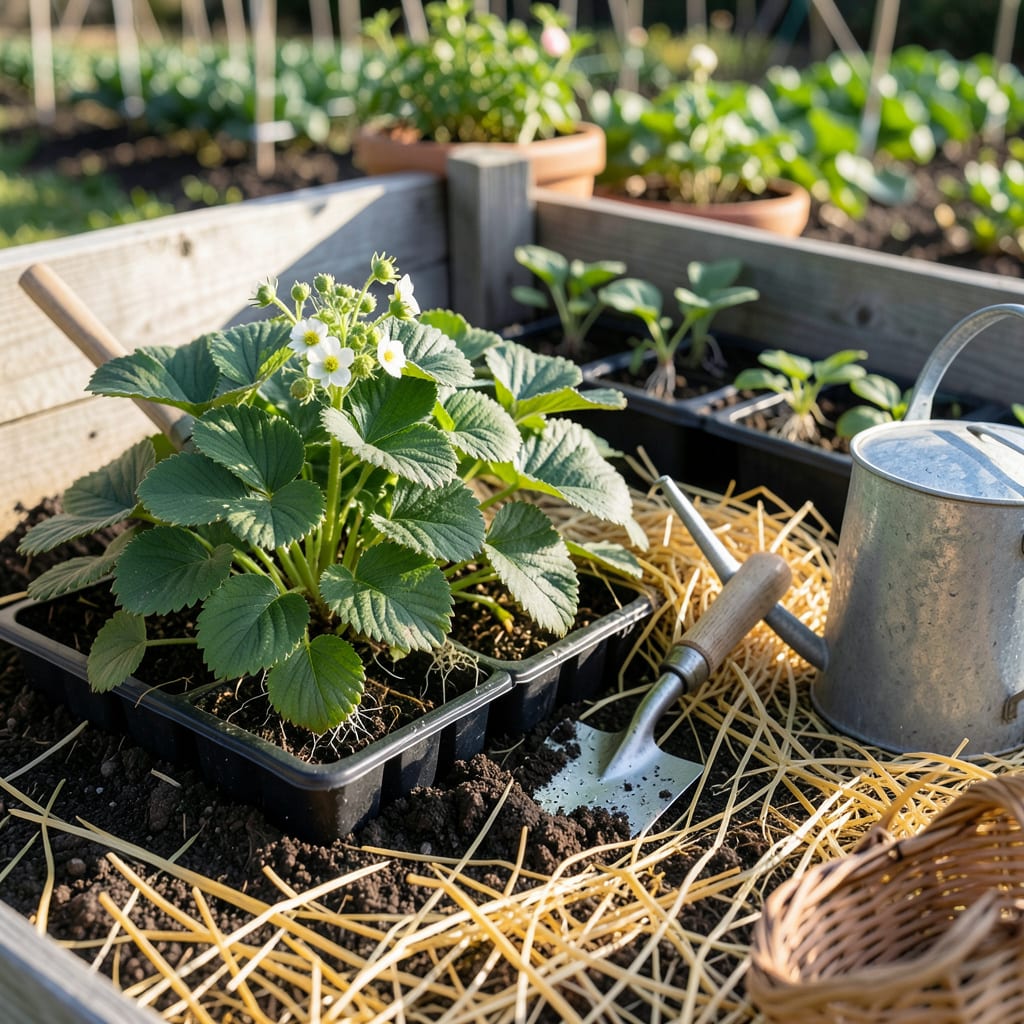
There’s nothing quite like biting into a sun-warmed strawberry straight from your garden—but timing your planting wrong in Virginia could leave you with a sad, fruitless patch. I’ve seen too many gardeners miss their perfect harvest window by just a few weeks, and that small mistake makes all the difference.
Whether you’re in the Piedmont or along the coast, Virginia’s USDA Zone 7a climate demands precision. Stick with me, and I’ll show you exactly when to get those 🍓 plants in the ground—spring or fall—for the juiciest results. No guesswork, just sweet rewards.
Virginia’s USDA Zones 6-8 give us two prime windows for strawberries: early spring and fall. But here’s the catch—June-bearing varieties thrive with spring planting, while everbearing and day-neutral types can handle fall. Timing it wrong means smaller berries or no harvest at all.
I’ve tested this firsthand in my Piedmont garden. Plant too early, and a late frost zaps your blossoms. Wait too long, and summer heat stresses the plants before they establish. The sweet spot? Soil temps at 50°F—not air temps. That’s your green light.
| Strawberry Type | Best Planting Months | Virginia Zones | First Harvest |
|---|---|---|---|
| June-Bearing | March 15–April 15 | 6–8 | Next spring (May–June) |
| Everbearing | April 1–May 1 OR Sept 1–Oct 15 | 7–8 | 120 days after planting |
| Day-Neutral | April 15–May 15 OR Sept 15–Oct 1 | 6–8 | 90–100 days after planting |
For coastal Virginia (Zone 8), you can push spring planting to late February—but watch for frost. In the mountains (Zone 6), wait until mid-April when soil warms. Fall planting? Aim for 6 weeks before first frost (around October 1 in Zone 7).
Here’s my pro tip: Use a soil thermometer ($10 at any garden center). When it hits 50°F at 4-inch depth, your strawberries are ready to go in. Skip this step, and you’re gambling with dormant plants or rot.
June-bearing varieties like ‘Chandler’ need that spring start to build energy for next year’s big harvest. Everbearing types (e.g., ‘Albion’) are forgiving—plant them in fall for a late summer/fall crop and again next spring.
Day-neutral strawberries? They’re your best bet for containers on Virginia patios. Plant them in April or September, and they’ll fruit continuously until frost. Just keep them watered—1 inch per week is non-negotiable.
Don’t overlook mulching after fall planting. A 3-inch layer of straw protects crowns from Virginia’s unpredictable winter thaws and freezes. Come spring, you’ll thank yourself when plants bounce back stronger.
Remember: Bare-root plants need a 24-hour soak before planting. Potted starts? Water them well and trim any dead leaves. This small step prevents transplant shock—something I learned the hard way my first season!
Finally, if you’re in urban areas like Richmond or Norfolk, watch for heat islands. Concrete and asphalt can raise soil temps 5–10°F. Plant in partial shade or use shade cloth in peak summer to keep berries sweet, not sunburnt.
Ready to dig in? Grab your calendar, mark those dates, and get set for the juiciest Virginia strawberries you’ve ever grown. Your future self—and your taste buds—will high-five you come harvest time! 🍓
I’ve seen even experienced Virginia gardeners make costly mistakes with strawberries. The biggest? Ignoring soil pH—our native clay leans acidic, but strawberries need a pH of 5.5–6.5. Test first, then amend with lime if needed. Trust me, yellow leaves aren’t a good look.
Another showstopper: Poor drainage, especially in the Piedmont’s heavy clay. I lost an entire bed my first year because water pooled around crowns. The fix? Raise beds 6–8 inches and mix in compost + perlite. Your plants’ roots will thank you.
Here’s a mistake I made for years: Watering overhead. Virginia’s humid summers + wet leaves = gray mold. Switch to drip irrigation or soaker hoses. Water at dawn so foliage dries fast. Your harvest will double.
Don’t assume all strawberries fit Virginia. ‘Earliglow’ bolts in our heat, while ‘Seascape’ thrives. Match varieties to your zone: Zone 6? Stick with cold-hardy ‘Sparkle’. Zone 8? Try heat-tolerant ‘Camarosa’. Local nurseries like Strang’s in Chesapeake stock zone-perfect plants.
Lastly, neglecting winter prep costs spring yields. After first frost, cut foliage to 1 inch, then mulch with pine straw. This protects crowns from Virginia’s temperature swings (20°F one week, 60°F the next). Come March, you’ll have vigorous growth.
One more pro tip: Fertilize at planting with a 10-10-10 balanced mix, but skip nitrogen after August. Late-season growth invites frost damage. Instead, use potassium-rich amendments to harden plants for winter. Your patience will pay off in pounds of berries!
Dodge these mistakes, and you’ll out-harvest neighbors stuck with puny, sour berries. Virginia’s climate is tricky, but now you’re armed with the fixes I wish I’d known sooner. Happy planting! 🌱
Not all strawberries thrive in Virginia’s humid summers and variable winters. After testing a dozen varieties in my Zone 7a garden, I’ve found the winners—and the flops. For June-bearing types, ‘Chandler’ rules with its large, sweet berries and cold hardiness.
If you’re in coastal Zone 8, ‘Camarosa’ handles heat better than most, while ‘Albion’ (everbearing) pumps out fruit from spring to frost. For mountain gardens (Zone 6), ‘Sparkle’ resists late frosts that often zap blossoms.
For container gardeners, ‘Seascape’ (day-neutral) is your best bet—it fruits continuously and tolerates urban heat islands. Need organic options? ‘Hecker’ resists pests without sprays, perfect for Piedmont gardens.
Where to buy? Skip big-box stores. Instead, hit Strang’s Nursery (Chesapeake) for bare-root bundles, or Edible Landscaping (Afton) for rare varieties like ‘Mara des Bois’ (French heirloom with wine-like flavor). Online, Nourse Farms ships Virginia-tested plants.
Pro tip: Buy certified virus-free plants. Virginia’s humidity spreads diseases fast. I learned this after losing a bed to angular leaf spot. Now I only plant from reputable nurseries—it’s worth the extra $5 per plant.
For fall planting, grab ‘Tristar’—it establishes quickly and fruits next spring and fall. Pair it with ‘Albion’ for a year-round harvest. Just remember: October 1 is your cutoff for Zone 7!
🍓Spring planting (March–April) gives June-bearing varieties time to establish for next year’s harvest. Fall planting (September–October) works best for everbearing/day-neutral types, producing fruit the following season. Fall-planted strawberries often yield earlier in spring.
Use day-neutral varieties like ‘Seascape’ or ‘Albion’. Choose containers at least 12 inches deep with drainage holes. Place in full sun (6+ hours) and water daily—containers dry out faster than ground beds.
Cover plants with frost cloth (not plastic) when temps drop below 32°F. For unexpected frosts, water plants in the afternoon—moist soil retains heat. Remove covers by 10 AM to prevent overheating.
Use pine straw or straw (3-inch layer) for winter protection. In summer, switch to black plastic to suppress weeds and warm soil. Avoid wood chips—they acidify soil too much for strawberries’ liking.
Common culprits: wrong variety for your zone, overcrowding (space plants 18 inches apart), or first-year June-bearing plants (they focus on roots). Also check for poor pollination—bees need dry, warm weather to work!
