
Beautiful Plants For Your Interior
Beautiful Plants For Your Interior
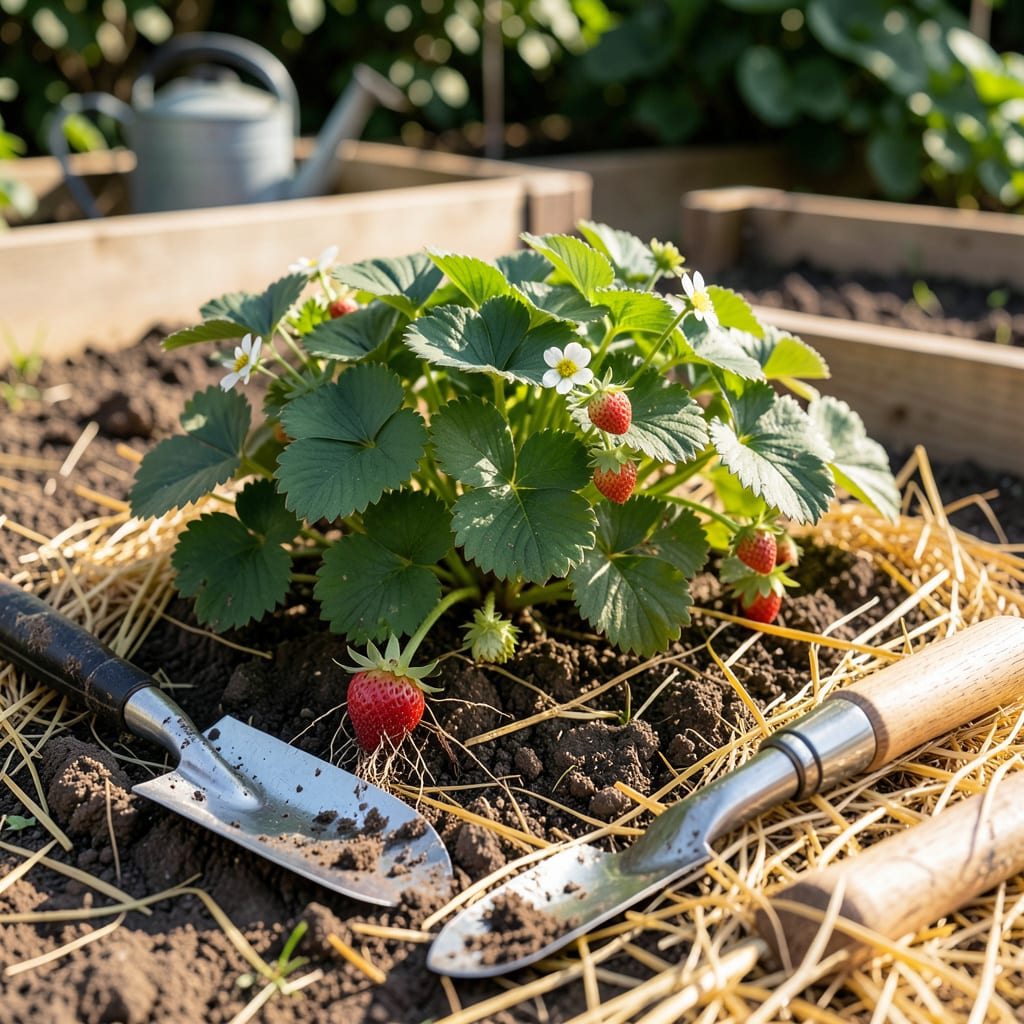
Timing your strawberry planting in Utah can mean the difference between a bountiful harvest and a disappointing one. Our state’s unpredictable frosts and varying elevations make nailing that perfect window absolutely crucial—especially when you’re aiming for those juicy, sun-ripened berries.
Whether you’re along the Wasatch Front or down in St. George, I’ll break down the exact months to get your 🍓 strawberries in the ground for maximum yield. No guesswork, just proven timing backed by local experts and Utah’s unique growing conditions.
Utah’s diverse climate means your strawberry planting schedule depends heavily on where you live. In the Wasatch Front, you’ll want to aim for mid-April to early May for spring planting, while southern Utah gardeners can start as early as late March. Elevation plays a huge role too!
For fall planting, timing is even more critical—you need plants established before the first frost. Northern Utah should target late August to early September, while southern regions can push it to mid-September. Let’s break down the exact windows for each area.
| Region | Spring Planting | Fall Planting | Last Frost Date | Best Varieties |
|---|---|---|---|---|
| Wasatch Front | April 15–May 10 | Aug 20–Sep 10 | ~May 10 | June-bearing: ‘Honeoye’ |
| Northern Utah | May 1–May 20 | Aug 10–Aug 30 | ~May 15 | Cold-hardy: ‘Sparkle’ |
| Central Utah | April 1–April 20 | Aug 15–Sep 5 | ~May 1 | Day-neutral: ‘Tristar’ |
| Southern Utah | March 15–April 1 | Sep 1–Sep 20 | ~April 15 | Everbearing: ‘Albion’ |
If you’re planting June-bearing strawberries, focus on that early spring window—they need time to establish roots before fruiting. For everbearing or day-neutral varieties, you’ve got more flexibility, but fall planting often yields better results in Utah’s climate.
Soil temperature is key! Aim for at least 45°F before planting. In northern Utah, I recommend using a soil thermometer to check. Southern Utah gardeners can often plant earlier thanks to warmer soils, but watch for late frosts—row covers are your best friend here.
For high-elevation areas (above 6,000 ft), delay spring planting until late May and avoid fall planting entirely—it’s just too risky. Stick with cold-hardy varieties like ‘Sparkle’ or ‘Fort Laramie’ for these zones.
Don’t forget about soil prep! Utah’s clay-heavy soils need amending with compost or aged manure before planting. I like to mix in 1–2 inches of organic matter to improve drainage and root development. Mulching with straw helps regulate temperature swings.
If you’re sourcing plants, check with local nurseries or the Utah State University Extension for bare-root strawberries—they’re often cheaper and establish well if planted correctly. For runners, late summer is ideal for propagation in most regions.
Pro tip: Water deeply after planting, then maintain consistent moisture (about 1–1.5 inches per week). Avoid wetting the foliage to prevent disease, especially in Utah’s dry but sometimes humid microclimates.
By following these region-specific timelines, you’ll set your strawberry patch up for success—whether you’re dreaming of fresh shortcake toppings or preserving jars of jam. Just remember: Utah’s weather loves to surprise us, so always have frost protection ready! 🌱
Even with perfect timing, small mistakes can derail your strawberry harvest. I’ve seen Utah gardeners lose entire patches by overlooking key details—like soil prep or frost protection. Let’s tackle the three most common pitfalls and how to sidestep them.
First up: ignoring Utah’s microclimates. A planting date that works in St. George might spell disaster in Park City. Always adjust for your specific elevation and last frost date, not just the general region. When in doubt, check with your local USU Extension office.
Utah’s late spring frosts can wipe out young plants. Even in southern Utah, March plantings need row covers or cloches. Wait until soil reaches 45°F and your last frost date has passed—no exceptions!
Utah’s dense clay soil suffocates strawberry roots. Mix in 3–4 inches of compost and 1 inch of sand to improve drainage. I also add pine needles for acidity—strawberries thrive in slightly acidic soil (pH 5.5–6.5).
June-bearing strawberries need Utah’s short spring—don’t plant them in fall. For high elevations, stick with ‘Sparkle’ or ‘Fort Laramie’. Southern Utah? ‘Albion’ (everbearing) handles heat better and produces into fall.
Another silent killer: overwatering. Strawberries need consistent moisture, but soggy soil leads to root rot. Use drip irrigation to keep foliage dry and water deeply 2–3 times per week, adjusting for rain. Mulch with straw to retain moisture and suppress weeds.
Don’t forget about crowding! Space plants 12–18 inches apart in rows 3 feet apart. Overcrowded patches compete for nutrients and air flow, inviting powdery mildew. I use a raised bed system for better control over spacing and soil quality.
Finally, neglecting pest control can ruin your harvest overnight. Utah’s slugs and birds love strawberries as much as you do. Set up beer traps for slugs and bird netting as soon as berries start ripening. For aphids, a neem oil spray works wonders.
By avoiding these mistakes, you’ll set your strawberry patch up for success—no matter which corner of Utah you’re gardening in. Trust me, your future self (and your taste buds) will thank you! 🌿
Not all strawberries thrive in Utah’s wild temperature swings and dry climate. After years of testing, I’ve found that cold-hardy varieties with drought tolerance perform best here. The right pick can mean the difference between a sparse harvest and buckets of sweet berries.
For northern Utah and high elevations, focus on June-bearing varieties like ‘Sparkle’ or ‘Fort Laramie’—they handle late frosts and short growing seasons. Southern Utah gardeners should lean toward everbearing types like ‘Albion’ that produce in both spring and fall heat.
If you’re dealing with clay soil, ‘Tristar’ (day-neutral) is a fantastic choice—its roots tolerate compacted soil better than most. For container gardening, ‘Albion’ and ‘Seascape’ adapt well to pots and hanging baskets, perfect for urban Utah gardeners.
Disease resistance matters too! Utah’s powdery mildew and verticillium wilt can devastate patches. Look for varieties labeled “disease-resistant” like ‘Jewel’ or ‘Allstar’. I always recommend rotating beds every 3–4 years to prevent soil-borne issues.
For the best flavor, ‘Ozark Beauty’ (everbearing) consistently wins taste tests in Utah. Its berries stay firm in our dry heat and develop intense sweetness. If you love jam-making, ‘Sparkle’ produces soft, juicy berries perfect for preserves.
Pro tip: Buy bare-root plants from reputable Utah nurseries like Gurney’s or Local Harvest in spring. For fall planting, check with USU Extension for certified disease-free runners. Always plant in full sun (6+ hours daily) and amend soil with compost for best results. 🪴
Fall planting often yields stronger results in Utah because it gives plants time to establish roots before winter dormancy. For southern Utah, aim for early September; northern regions should plant by late August. Spring planting works too, but requires more frost protection.
Use row covers or cloches when temperatures dip below 32°F. In northern Utah, keep covers handy until mid-May. For containers, move plants to a sheltered porch or garage overnight. Always remove covers during the day to prevent overheating.
Mix 3-4 inches of compost and 1 inch of coarse sand into the top 8-10 inches of soil. Adding pine needles helps lower pH slightly, which strawberries love. Raised beds are ideal for better drainage in heavy clay areas.
Choose everbearing varieties like ‘Albion’ or ‘Seascape’. Use containers at least 8 inches deep with drainage holes. In summer, move pots to partial shade during peak heat (especially in southern Utah) to prevent root stress.
Water 2-3 times weekly in spring/fall, increasing to daily in summer heat. Use drip irrigation to keep foliage dry and prevent disease. Mulch with straw to retain moisture—especially crucial in southern Utah’s desert conditions.
