
Beautiful Plants For Your Interior
Beautiful Plants For Your Interior
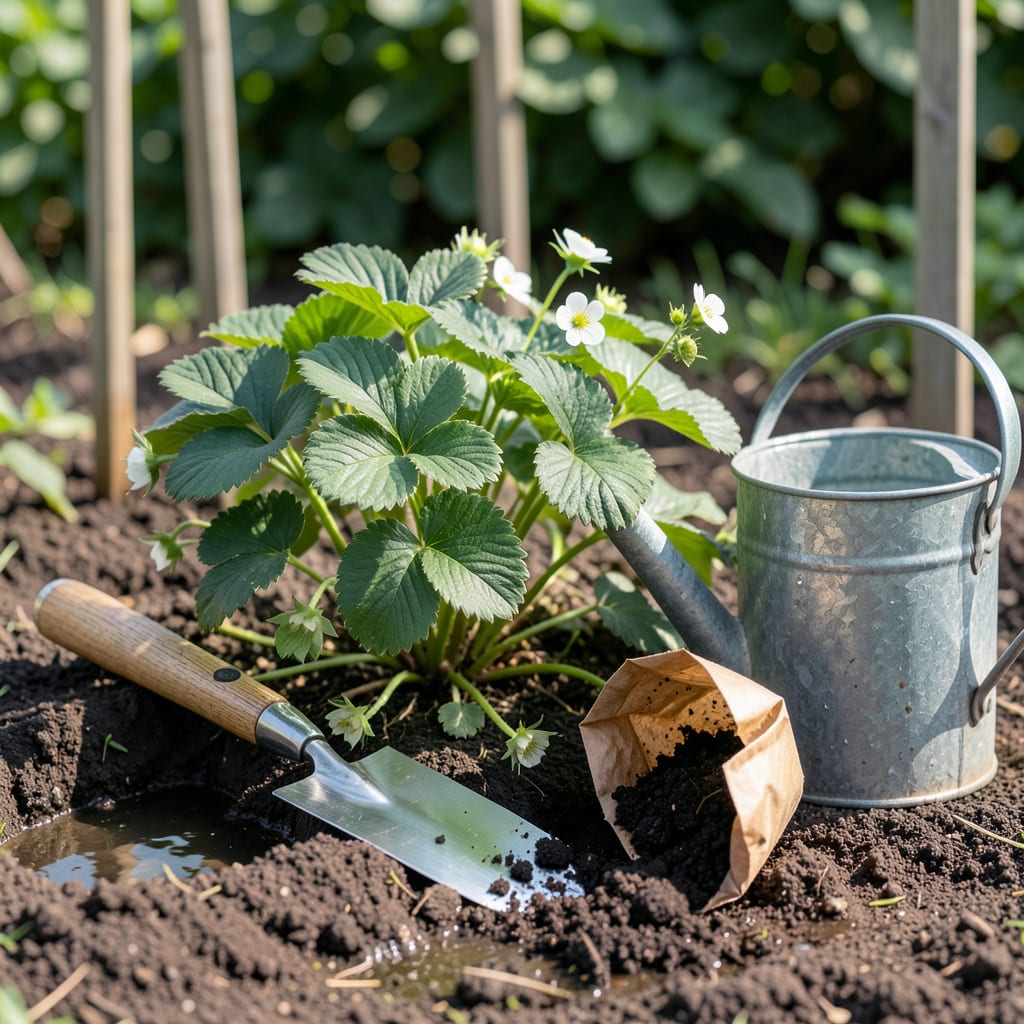
Timing can make or break your 🍓 strawberry harvest in Tennessee. Plant too early, and a late frost might ruin your crop. Wait too long, and the summer heat could stunt growth before you even get started.
After years of testing what works best in our Zone 6b climate, I’ve nailed down the perfect window for planting. Whether you’re in Memphis or the Smokies, I’ll show you exactly when to get those plants in the ground for the juiciest, sweetest strawberries come summer.
If you’ve ever wondered why your neighbor’s strawberries thrive while yours struggle, timing is likely the culprit. In Tennessee, our three distinct regions—East, Middle, and West—each have unique microclimates that shift planting windows by 2-3 weeks. I’ll break down the exact timing you need.
For most of us in Zone 6b, the magic happens between late March and mid-April for spring planting. But fall planting (September–October) often yields stronger plants that produce earlier the next year. The key? Soil temperature—wait until it hits 50°F consistently before planting.
*Based on UT Extension data for USDA Zones 6a-8a. Adjust for urban heat islands.
In East Tennessee, higher elevations mean cooler soils, so I always wait until April 1 to plant. The Cumberland Plateau can be tricky—watch for late frosts that linger until early May. A row cover can buy you an extra week if you’re eager to start.
Middle Tennessee gardeners have more flexibility. Nashville’s urban heat islands warm soil faster, so I’ve successfully planted as early as March 10 in sheltered spots. But keep frost cloth handy—April 15 is our average last frost, but surprises happen.
West Tennessee’s warmer climate means you can plant earlier, but the trade-off is intense summer heat. I recommend fall planting here to establish roots before scorching July temps. If spring planting, choose heat-tolerant varieties like ‘Camarosa’ or ‘Sweet Charlie’.
For fall planting, aim for 6 weeks before first frost so roots establish. In Memphis, that’s late August; in the mountains, wait until mid-September. Mulch heavily with straw or pine needles to protect crowns over winter—this makes all the difference for next year’s harvest.
Pro tip: Check soil temperature with a $10 thermometer from your local garden center. When it reads 50°F at 4-inch depth for three consecutive mornings, you’re good to go. This simple step prevents the #1 mistake I see—planting in cold, dormant soil.
Remember, June-bearing varieties need that early start for maximum yield, while everbearing types are more forgiving. I’ll cover variety specifics in the next section, but for now, mark your calendar: Middle TN folks, set a reminder for March 20—that’s your sweet spot!
Still unsure? Call your county extension office—they track hyper-local frost dates. I keep the UT Extension hotline (865-974-7209) saved in my phone for quick checks. Their soil temperature maps are gold for Tennessee gardeners.
Not all strawberries thrive equally in Tennessee’s climate. I’ve found that June-bearing varieties like ‘Chandler’ and ‘Allstar’ perform best for a single, massive late-spring harvest. Meanwhile, everbearing types such as ‘Albion’ or ‘Ozark Beauty’ give you multiple smaller crops throughout the season.
Your choice directly impacts when you plant. June-bearers need an early March start in most of TN to establish roots before fruiting. Everbearers are more flexible—you can plant them in early spring or fall for staggered harvests. Let’s break down the best options for your region.
For West Tennessee gardeners, I recommend ‘Albion’ for its heat tolerance—it handles those 90°F+ summers better than most. In East TN’s cooler mountains, ‘Ozark Beauty’ thrives with less risk of frost damage to blossoms. Middle TN’s moderate climate suits ‘Seascape’ perfectly for continuous harvests.
If you’re planting in fall (September–October), focus on everbearing or day-neutral varieties. They’ll establish roots before winter and produce earlier next spring. For spring planting, June-bearers give you that classic single, abundant harvest—just be sure to plant by mid-March in most regions.
Pro tip: In urban areas like Nashville or Memphis, microclimates can extend your window. I’ve successfully planted ‘Seascape’ as late as early April in city gardens where buildings retain heat. Always check your local frost dates—UT Extension’s county guides are my go-to resource.
Remember, soil temperature matters more than air temp. Use a soil thermometer to confirm you’re planting when soil hits 50°F—this ensures roots grow actively. Too cold, and plants sit dormant; too hot, and they stress before establishing.
🌱Even with perfect timing, small errors can sabotage your strawberry patch. After helping dozens of Tennessee gardeners troubleshoot their plants, I’ve identified the five most common mistakes that lead to weak growth or no fruit. Let’s fix these before you plant!
The biggest offender? Ignoring soil pH. Strawberries demand acidic soil (5.5–6.5). I’ve seen entire beds fail because the pH was 7.0+. Test your soil with a $15 kit from your local extension office—it’s worth every penny.
Another silent killer: planting in low spots where water pools. I lost an entire bed of ‘Chandler’ strawberries to root rot in a Nashville spring because I didn’t check drainage. Always plant on raised mounds or slopes—even a 6-inch rise makes a difference.
For West Tennessee gardeners, the summer sun is your biggest challenge. Without afternoon shade cloth (30–50%), June-bearing varieties often fry by July. I use white shade fabric—it reflects heat while letting light through. East TN folks, your issue is late frosts—keep frost blankets handy until May 1.
Here’s my foolproof
Fall planting (September–October) often yields stronger plants with earlier harvests. The cooler weather allows roots to establish without summer stress. Spring planting works too, but requires more watering and frost protection in early March.
Use frost blankets or row covers when temps dip below 32°F. In East TN, keep them handy until May 1. For extra protection, add a 2-inch layer of straw mulch around plants.
‘Chandler’ is my top pick for Middle TN gardeners. It matures in 60 days and thrives in our Zone 6b climate. For continuous harvests, try ‘Seascape’—it produces from June through fall.
Use 12-inch deep containers with drainage holes. West TN’s heat means you’ll need to water daily in summer and provide afternoon shade. ‘Albion’ does particularly well in pots.
This usually happens when plants are too young (remove first-year blossoms) or over-fertilized with nitrogen. Also check for poor pollination—plant near bees or gently shake flowers to help.
