
Beautiful Plants For Your Interior
Beautiful Plants For Your Interior
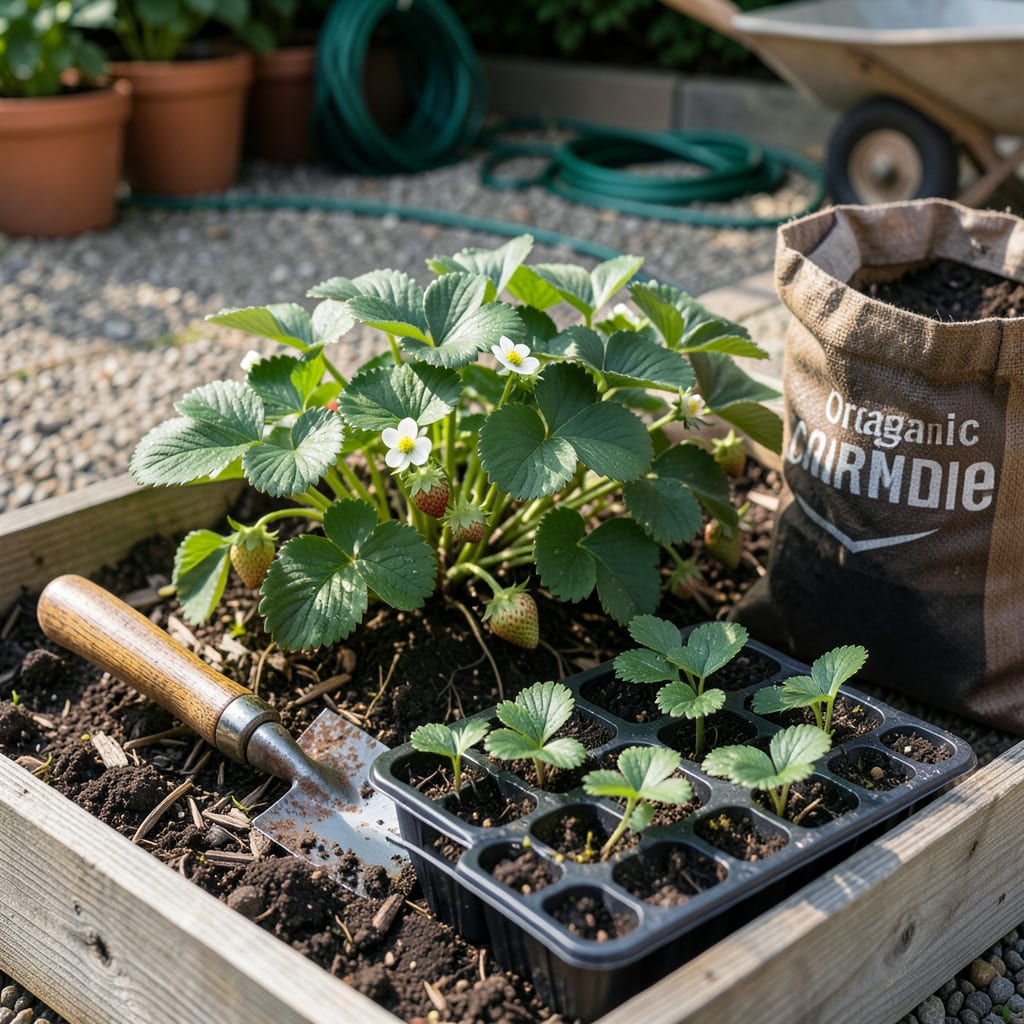
Timing can make or break your 🍓 strawberry harvest in Tennessee. Plant too early, and a surprise frost might ruin your crop. Wait too long, and you’ll miss the sweetest berries of the season.
After years of testing, I’ve found the perfect frost-free windows for planting strawberries in Tennessee’s unpredictable climate. Whether you’re in the mountains or the plains, I’ll show you exactly when to plant for juicy, plump berries all summer and fall.
If you’ve ever wondered why your neighbor’s strawberries thrive while yours struggle, the secret often lies in regional timing. Tennessee’s diverse climate—from the cooler mountains to the warmer plains—means planting windows vary dramatically. I’ll break down the ideal months for each area so you can sync with your microclimate.
In East Tennessee (Zones 6a-7a), where frosts linger longer, you’ll want to plant 2-3 weeks later than in the west. Meanwhile, Middle and West Tennessee (Zones 7a-8a) enjoy earlier starts. The key? Watching soil temps, not just the calendar. Aim for 50°F+ soil to avoid shocking roots.
| Region | USDA Zones | Spring Planting | Fall Planting | Notes |
|---|---|---|---|---|
| East TN | 6a-7a | Mid-April to May | Late August | Avoid late frosts (common until May 1) |
| Middle TN | 7a-7b | Late March to April | Early September | Watch for heatwaves in late April |
| West TN | 7b-8a | Early March to April | Mid-September | Earliest starts but drought risk in May |
For spring planting, focus on April 1–15 in most areas, but adjust if you’re in higher elevations. I’ve seen East Tennessee gardeners lose plants to April 20th frosts, so keep row covers handy. In the west, you can push boundaries—March 15 starts often succeed with mulch protection.
Fall planting is my secret weapon for bigger yields. By planting in August–September, roots establish before winter, leading to earlier spring harvests. Just avoid late fall planting—roots need 6 weeks to settle before the first frost (typically October 15–30 in TN).
Pro tip: Use a soil thermometer (they’re cheap!) to confirm temps. If your soil reads below 50°F, wait a week—cold soil stunts growth. In West Tennessee’s sandy soils, I add compost to retain moisture during those dry April spells that can stress new plants.
Don’t forget microclimates! South-facing slopes or urban areas warm faster—great for early planting. Low-lying spots? They’re frost magnets. I once lost a patch in a Nashville valley to a May 1 frost while plants 50 feet uphill thrived. Learn your land’s quirks!
If you’re planting bare-root strawberries, soak roots for 1 hour before planting to reduce transplant shock. For container-grown plants, loosen roots gently—this encourages outward growth. Both types need 18-inch spacing to prevent disease and allow runners to spread.
Remember, Tennessee weather is unpredictable. I keep frost blankets ready until May 10 in East TN and April 20 in the west. A little prep goes a long way—last year, my covered plants survived a 28°F April night while uncovered ones turned to mush.
Finally, mark your calendar for soil prep in late winter. Work in 2–3 inches of compost and test pH (aim for 5.5–6.5). Strawberries hate soggy feet, so raised beds or mounds work wonders in Tennessee’s clay-heavy soils. With the right timing and prep, you’ll be picking berries by late May!
Next up, we’ll dive into the best strawberry varieties for Tennessee’s climate—and which ones give you two harvests per year with the right planting schedule. 🌱
Not all strawberries thrive equally in Tennessee’s climate. I’ve tested dozens of varieties and found that June-bearing, everbearing, and day-neutral types each have their own perfect planting windows. The key is matching the variety to your region’s frost dates and heat patterns.
For example, ‘Chandler’ (a June-bearing favorite) produces one massive harvest in early summer, while ‘Albion’ (everbearing) gives you berries from spring through fall. Day-neutrals like ‘Seascape’ are my go-to for Tennessee’s unpredictable weather—they keep producing as long as temps stay between 35°F and 85°F.
| Variety Type | Best Planting Time | Harvest Window | Top Picks |
|---|---|---|---|
| June-Bearing | Early March–April | Late May–June | ‘Chandler,’ ‘Allstar’ |
| Everbearing | Mid-April–May | June, Sept–Oct | ‘Albion,’ ‘Ozark Beauty’ |
| Day-Neutral | Late April–June | All season | ‘Seascape,’ ‘Tribute’ |
💡 Pro Tip: Plant day-neutrals in raised beds for better drainage during Tennessee’s wet springs.
If you’re in East Tennessee (Zone 6a–7a), I recommend planting June-bearing varieties 2–3 weeks after the last frost (around April 10–20). The cooler mountain air extends their harvest window. In Middle/West Tennessee (Zones 7b–8a), you can push planting to early March for everbearing types—they’ll handle the heat better.
For fall planting, aim for September 15–October 1 statewide. This gives roots time to establish before winter but avoids triggering new growth that frost could damage. I always mulch fall-planted strawberries with 4–6 inches of straw to protect crowns from temperature swings.
Day-neutral varieties are your best bet if you want continuous harvests. Plant them in successive batches every 2 weeks from April through June. Just be sure to shade cloth during July’s scorching afternoons—Tennessee’s heat can stress plants and reduce berry size.
Remember, soil prep matters as much as timing. Test your pH (strawberries love 5.5–6.5) and work in 2–3 inches of compost before planting. I’ve seen yields double with this simple step! For container growers, use a well-draining potting mix with added perlite.
No matter which variety you choose, consistent watering is critical—especially during the first 3 weeks after planting. Set up drip irrigation on a timer for 1 inch of water weekly, and you’ll be rewarded with the sweetest Tennessee strawberries you’ve ever tasted! 🍓
Even experienced gardeners can sabotage their strawberry harvest with simple oversights. After years of trial and error in Tennessee’s finicky climate, I’ve identified the five most costly mistakes—and how to sidestep them. Trust me, fixing these will save you months of frustration.
First up: planting at the wrong depth. Bury the crown (where leaves meet roots) too deep, and it’ll rot. Leave it exposed, and it dries out. I use the “half-in, half-out” rule—crown should sit level with soil, with roots fanning downward. A ruler or popsicle stick helps gauge depth perfectly.
Another critical error? Using fresh manure as fertilizer. It burns tender roots and introduces weeds. Instead, I mix well-aged compost (6+ months old) into beds 2 weeks before planting. For containers, blend 1/3 compost, 1/3 coconut coir, and 1/3 perlite for perfect drainage.
Watering mistakes are just as damaging. Overhead sprinklers promote fungal diseases, while inconsistent moisture causes cracked berries. My fix? Drip irrigation on a timer, delivering 1 inch of water weekly (double in July). Water in the early morning so foliage dries by noon—this slashes disease risk.
Don’t overlook variety mismatches either. Planting June-bearing types in West Tennessee’s heat often means a single small harvest. For reliable yields, I pair ‘Chandler’ (June-bearing) with ‘Albion’ (everbearing) to extend the season. Day-neutrals like ‘Seascape’ thrive in containers if your soil is poor.
Finally, forgetting to remove blossoms the first year (for June-bearing plants) reduces long-term yields. Pinch off flowers to direct energy into root growth. It’s painful, but you’ll get double the berries in year two. For everbearing/day-neutral types, let them fruit lightly the first year—just remove runners until plants establish.
Remember, Tennessee’s unpredictable springs demand flexibility. I keep a garden journal to track planting dates, frost events, and harvests. Last year, my notes revealed that April 5-planted strawberries outyielded my March 20 batch by 30%—proof that patience pays off in our volatile climate! 🌱
Fall planting often yields stronger results in Tennessee. By planting in August–September, roots establish before winter, leading to earlier spring harvests. Just ensure plants have 6 weeks to settle before the first frost.
Use frost blankets or row covers until May 10 in East TN or April 20 in West TN. A 28°F night can devastate tender plants. Mulch with straw for extra insulation.
Space plants 18 inches apart in rows 3–4 feet apart. Crowding leads to disease and poor yields. For containers, use 12-inch pots per plant.
Use well-draining potting mix with 1/3 compost. Day-neutral varieties like ‘Seascape’ thrive in containers. Ensure 6+ hours of sun daily.
This often results from heat stress or inconsistent watering. Use shade cloth in July and maintain 1 inch of water weekly. Poor soil nutrition can also be a factor.
