
Beautiful Plants For Your Interior
Beautiful Plants For Your Interior
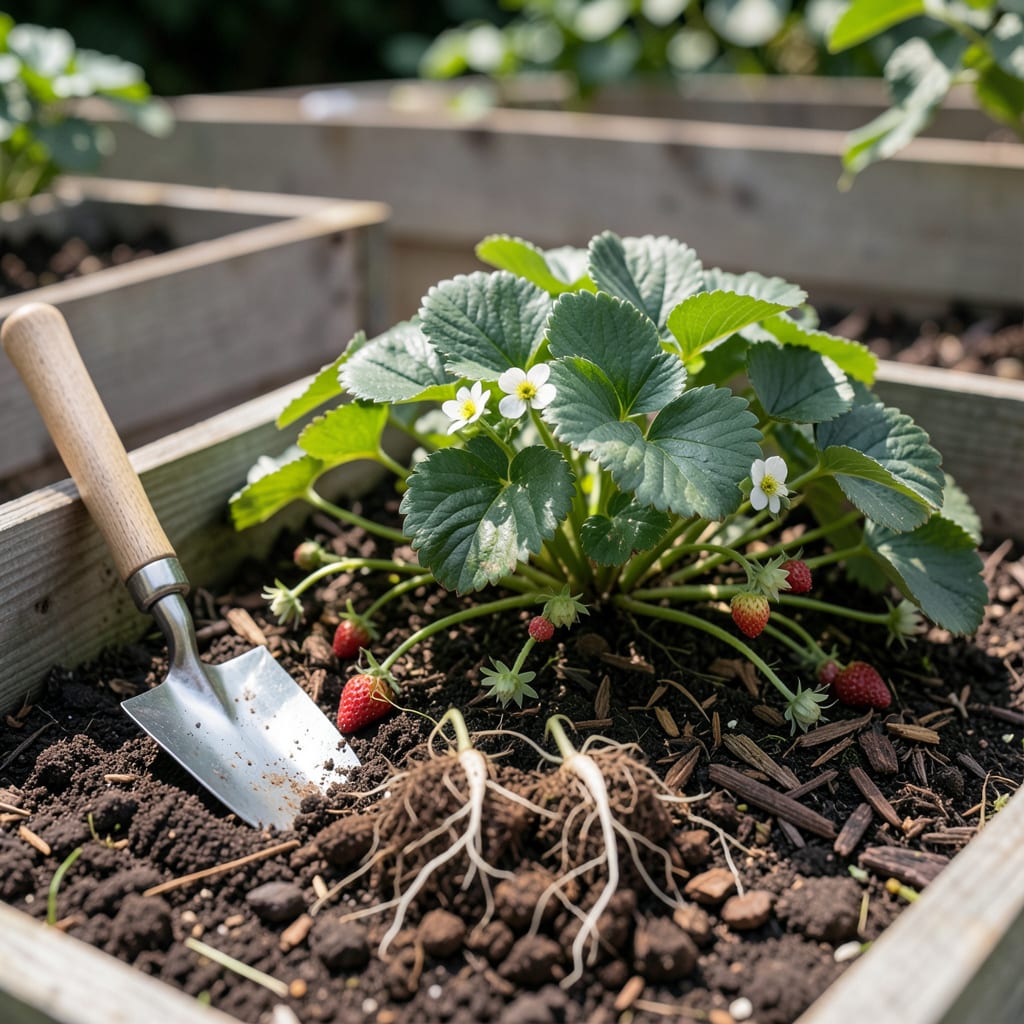
If you’ve ever bitten into a store-bought strawberry and thought, “This could be sweeter,” you’re not alone. Southern California’s unique climate gives home gardeners a rare advantage—two prime planting windows for growing strawberries that burst with flavor.
But timing is everything here. Plant too late in spring, and you’ll battle scorching summers. Go too early in fall, and unexpected heat waves might stunt your plants. Let me break down the exact months and microclimate tricks to get your 🍓 patch thriving year after year.
Southern California’s year-round growing potential makes it a strawberry paradise—but timing varies dramatically between coastal fog zones and inland heat pockets. The key is working with our mild winters and avoiding summer extremes.
I’ve found fall planting (September–October) gives roots time to establish before winter, while early spring (February–March) works for inland areas where frost is rare. Coastal gardeners can even sneak in a late-winter planting if they’re quick!
| Region | Best Planting Window | Soil Temp Goal | First Harvest |
|---|---|---|---|
| Coastal (Zones 9-10) | Sept–Oct or Jan–Feb | 55–65°F | March–April |
| Inland (Zone 8-9) | Oct–Nov or Feb–March | 60–70°F | April–May |
| Desert (Zone 11) | Nov–Dec or Jan | 65–75°F | Feb–March |
*Adjust for microclimates—foggy areas may need earlier planting!
For coastal gardeners in San Diego or LA, I recommend September plantings to capitalize on winter rains. The cool-season growth leads to sweeter berries by spring. Just watch for snail invasions after rains!
Inland areas like Riverside or San Bernardino should target October–November for fall planting. The warmer soil helps roots establish before winter dormancy. If you miss that window, February plantings work too—but you’ll need extra mulch for moisture retention.
Desert gardeners in Palm Springs or Indio, your best bet is November–December. The cooler nights prevent heat stress, and you’ll get berries by late winter. Pro tip: Use shade cloth if planting in January to protect young plants.
For organic growers, align planting with the moon phases. I’ve had great success planting during a waxing moon in Scorpio or Cancer signs—roots grow more vigorously. Check a biodynamic calendar for exact dates.
No matter your zone, soil prep is critical. Work in 2–3 inches of compost and aim for a pH of 5.5–6.5. Strawberries hate wet feet, so ensure well-draining soil—especially in clay-heavy areas like the San Fernando Valley.
After planting, mulch immediately with straw or pine needles to retain moisture and suppress weeds. I use drip irrigation set to run every 2–3 days for 15 minutes—just enough to keep soil evenly moist but not soggy.
Remember, day-neutral varieties like ‘Albion’ or ‘Seascape’ give you multiple harvests if planted in fall. June-bearing types like ‘Chandler’ are better for spring planting if you want one big flush of berries. Choose based on your harvest goals!
Finally, watch the 10-day forecast before planting. If nights will dip below 32°F, hold off or use row covers. Southern California’s “frost” is rare but can sneak up in canyon areas or near the foothills.
Not all strawberries are created equal—especially in Southern California’s diverse microclimates. The wrong variety can leave you with small, bitter berries or plants that fizzle out in our intense summers. Let’s match the best types to your region.
I’ve tested dozens of varieties over the years, and three types consistently outperform: day-neutral, everbearing, and June-bearing. Each has unique strengths for SoCal’s USDA zones 8–11. Coastal gardeners need disease-resistant picks, while inland growers should prioritize heat tolerance.
| Variety | Type | Best For | Key Traits | Harvest Window |
|---|---|---|---|---|
| Albion | Day-neutral | All zones | Disease-resistant, heat-tolerant | Spring–Fall |
| Seascape | Day-neutral | Coastal | High yields, fog-resistant | Year-round |
| Chandler | June-bearing | Inland | Large berries, spring flush | April–May |
| Camarosa | June-bearing | Desert | Drought-tolerant, firm fruit | March–April |
*Day-neutral = continuous harvests; June-bearing = one big crop.
For coastal areas like Orange County or Santa Barbara, ‘Seascape’ is my top pick. It thrives in foggy conditions and produces sweet, medium-sized berries almost year-round if planted in fall. Pair it with ‘Albion’ for a longer harvest season.
Inland gardeners in the Inland Empire or San Gabriel Valley should try ‘Chandler’ for spring planting. Its large, juicy berries are perfect for short-season areas. Just be ready to net your plants—birds love Chandlers as much as we do!
Desert dwellers in Palm Springs or Coachella Valley, ‘Camarosa’ is your best bet. It handles 100°F+ temps better than most and produces firm fruit that ships well (great for sharing!). Plant in November for a March harvest before the worst heat hits.
If you’re container gardening, I recommend ‘Tristar’ (a day-neutral). It stays compact and produces small but intensely flavored berries. Use a 12-inch-deep pot with drainage holes and a soil mix amended with coconut coir for moisture retention.
Pro tip: Buy bare-root plants from reputable nurseries like Dave Wilson Nursery or Local Harvest. Avoid big-box stores—their strawberries often arrive root-bound or stressed. Soak roots in kelp solution for 20 minutes before planting to reduce transplant shock.
Remember, variety mixing extends your harvest! Plant ‘Albion’ (day-neutral) alongside ‘Chandler’ (June-bearing) for berries from spring through fall. Just give each plant 12–18 inches of space to prevent disease spread.
Even experienced gardeners can sabotage their strawberry crops with simple oversights. Southern California’s unique climate challenges—from sudden heatwaves to sneaky pests—demand extra attention. Let me save you from the mistakes I’ve seen (and made!) over the years.
The biggest error? Ignoring microclimates. A planting date that works in coastal San Diego might fail in Riverside’s inland heat. Coastal fog and desert winds require totally different approaches. Here’s how to sidestep the top five pitfalls.
*Bonus: Never plant where tomatoes, peppers, or eggplants grew last year—verticillium wilt risk!
Overwatering is the #1 killer of strawberry plants in SoCal. Our clay-heavy soils hold moisture longer than you think. Stick your finger 2 inches deep—if it’s damp, skip watering. I use a moisture meter for precision.
Pest neglect can wipe out a crop overnight. After losing an entire bed to snails, I now set up beer traps (buried containers with stale beer) at planting. For aphids, spray neem oil at dusk every 10 days in spring.
Poor spacing leads to disease pressure. In humid coastal areas like Long Beach, I space plants 18 inches apart and prune runners weekly. Inland, 12 inches works if you’re diligent about airflow. Use a fan on low in greenhouses to mimic breeze.
Don’t forget seasonal adjustments! In summer, shade cloth reduces sunburned berries. In winter, row covers protect from rare frosts. I keep a garden journal to track what works each year—last season’s heatwave taught me to mulch with white plastic to reflect sun.
Finally, variety mismatches cause disappointment. Planting a June-bearing type like ‘Hood’ in fall? You’ll get no berries until next spring. Stick to day-neutrals (‘Albion’) for fall planting or everbearing (‘Ozark Beauty’) for spring. When in doubt, ask your local nursery for zone-specific picks.
With our mild climate, you can! Day-neutral varieties like ‘Albion’ produce almost continuously if planted in fall. Coastal areas may even harvest year-round, while inland gardeners should focus on spring and fall plantings to avoid summer heat stress.
Stick to every 2–3 days for established plants, but adjust based on your zone. Coastal gardeners may water less due to fog, while desert areas need daily checks in summer. Always use drip irrigation to avoid wetting leaves, which invites disease.
Planting at the wrong depth! Bury the crown (where leaves meet roots) too deep, and it rots; too shallow, and it dries out. Aim for half the crown above soil. Also, skipping soil testing—our native soil is often too alkaline for strawberries.
Snails, aphids, and birds are relentless here. Use copper tape for snails, neem oil for aphids, and bird netting once berries form. Set up defenses at planting—don’t wait until you see damage!
Yes! Choose compact varieties like ‘Tristar’ and use 12-inch-deep pots with drainage. Mix potting soil with coconut coir for moisture retention. Place in full sun (6+ hours daily) and elevate pots to deter pests.
