
Beautiful Plants For Your Interior
Beautiful Plants For Your Interior
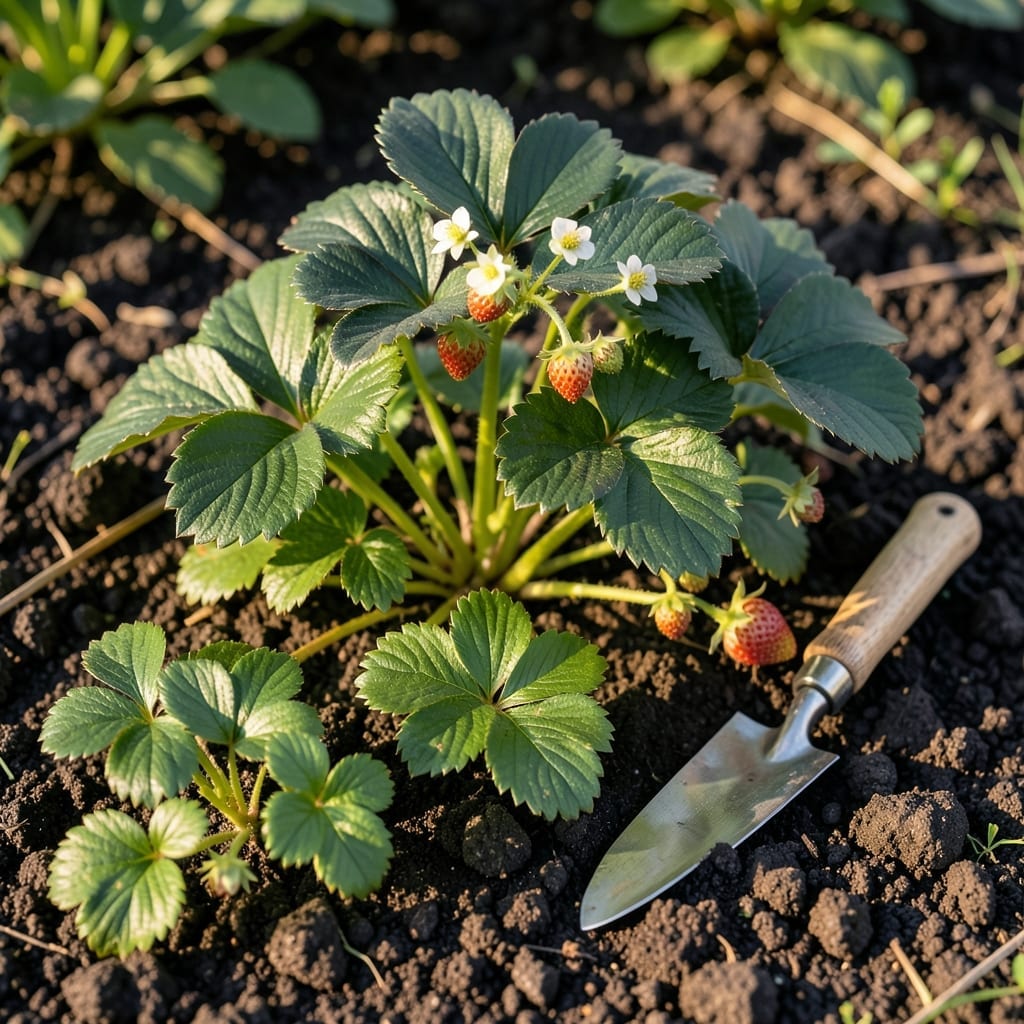
Timing is everything when it comes to growing juicy, flavorful Strawberry 🍓 in South Texas’s unique climate. Plant too early or too late, and you risk stunted growth or a lackluster harvest.
Our region’s mild winters and scorching summers create a game-changer opportunity for gardeners who know the right schedule. Unlike cooler zones, we get a second chance to perfect our approach.
I’ve tested multiple planting windows in my own South Texas garden, and the results were eye-opening. There’s a sweet spot that consistently delivers the best results.
Discover how to align your planting with our local seasons for a bumper crop of Strawberry that’ll make your neighbors jealous. Let’s dig into the details.
In South Texas (USDA Zone 9a), strawberries thrive when planted during the cool season. The region’s mild winters and hot summers create a unique growing window you won’t find in colder climates. I’ve found timing is critical here.
Our frost-free period spans about 300 days, with the last frost typically around February 15. This means we can start planting earlier than most of the country, but we must avoid the scorching summer heat that can stress young plants.
The October to November window is my top recommendation. This timing allows plants to establish roots before winter dormancy, then burst into growth as temperatures rise in spring. I’ve seen this approach yield the sweetest berries come March.
If you miss the fall window, early spring (March-April) can work, but you’ll need to protect plants from potential late frosts. Use row covers or plant in containers you can move indoors if needed. The spring-planted strawberries often produce a smaller harvest their first year.
September planting is risky due to lingering summer heat. If you try this, provide afternoon shade and keep soil consistently moist. The plants will need extra attention to survive until cooler weather arrives. I only recommend this for experienced gardeners.
For June-bearing varieties, fall planting is essential. These need that cold period to produce well. Everbearing types, like ‘Albion’ or ‘Seascape’, are more forgiving and can handle both fall and spring planting in our region.
Remember that microclimates matter in South Texas. Coastal areas may plant a week or two later than inland spots. Watch your local weather patterns and soil temperatures – aim for 60-70°F soil at planting time.
I always suggest starting with bare-root plants from reputable nurseries. These establish faster than seeds in our climate. Space them 12-18 inches apart in rows 2 feet apart for best air circulation, which helps prevent disease in our humid springs.
No matter when you plant, mulch heavily with straw to retain moisture and keep berries clean. In South Texas, this also helps moderate soil temperature – crucial when we can swing from 40°F nights to 80°F days in winter.
With the right timing and care, you’ll be enjoying homegrown strawberries by early spring. The key is working with our climate, not against it 🌱
Preparing your soil is just as important as timing when planting strawberries in South Texas. The region’s clay-heavy or sandy soils often need amending to provide the right drainage and nutrient balance for thriving plants.
I always start with a soil test to check pH levels—strawberries prefer slightly acidic soil between 5.5 and 6.5. If your soil is too alkaline, adding sulfur or peat moss can help lower the pH.
In South Texas, clay soil can retain too much moisture, which strawberry roots dislike. I mix in coarse sand or pine bark fines to improve drainage while maintaining moisture retention.
For sandy soil, which drains too quickly, I add organic matter like compost or well-rotted manure. This helps retain moisture and provides essential nutrients for healthy strawberry plants.
Don’t forget to remove weeds and debris before planting. Strawberries have shallow roots, so weed competition can stunt their growth. A layer of mulch after planting helps keep weeds at bay.
Finally, water the prepared soil a day before planting to settle it. This ensures your strawberry plants get off to the best start in their new home. ✂️