
Beautiful Plants For Your Interior
Beautiful Plants For Your Interior
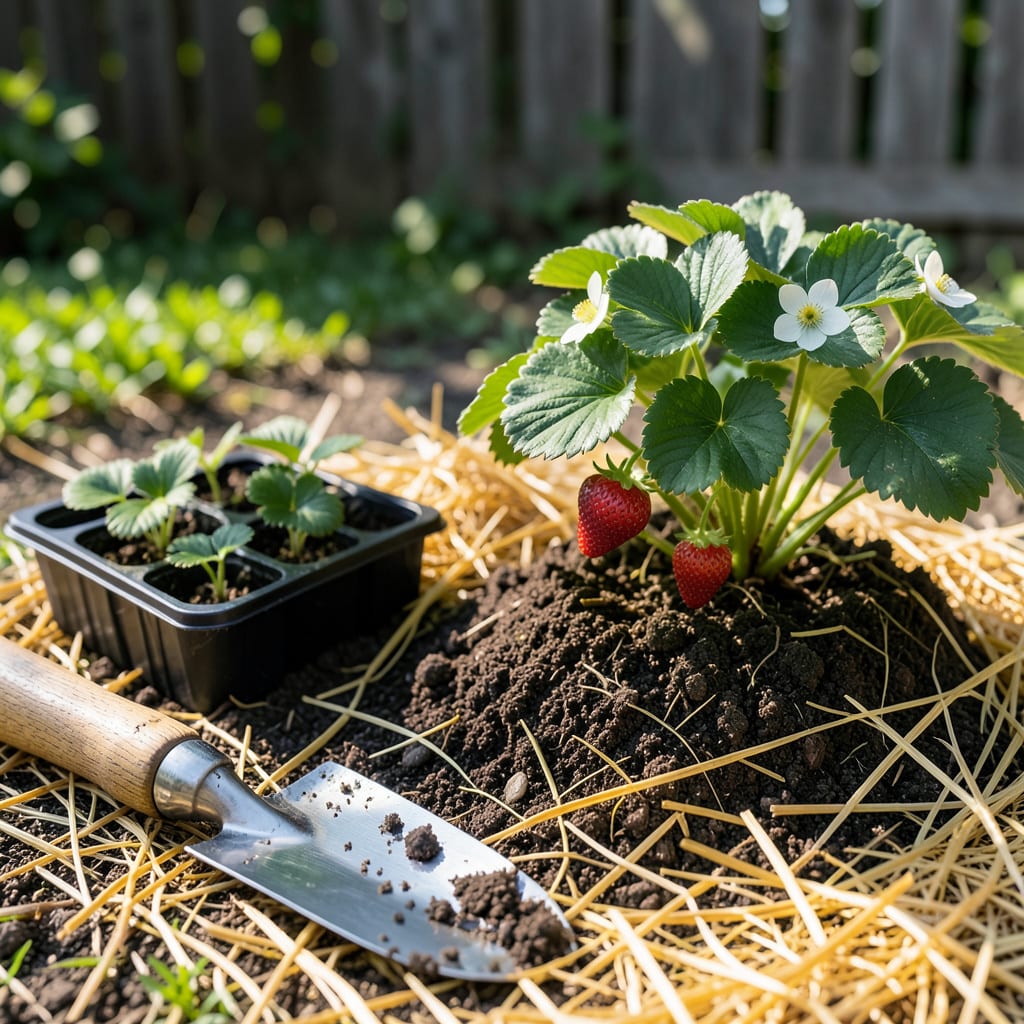
If you’re dreaming of plump, homegrown strawberries in South Carolina, timing your planting is everything. Our state’s diverse climate—from the cooler Upstate to the warmer coast—means planting windows vary by zone. Get it right, and you’ll enjoy sweet berries for months!
Most SC gardeners should aim for fall planting (September–October) to establish roots before winter. However, coastal Zone 9a can also succeed with spring planting. Let’s break down the ideal schedule for your specific area.
| Zone | Best Planting Time | Variety Recommendation | Frost Considerations |
|---|---|---|---|
| 6a–7a (Upstate) | Early Sept–Oct | June-bearing (‘Chandler’) | Protect from late frosts (April 15) |
| 7b–8a (Piedmont) | Mid-Sept–Oct | Everbearing (‘Albion’) | Mulch for winter protection |
| 8b–9a (Coastal) | Oct OR Feb–March | Day-neutral (‘Seascape’) | Watch for salt spray in spring |
*Frost dates based on 10-year averages—adjust for microclimates.
In the Upstate (Zones 6a–7a), aim to plant by early October so roots establish before the first frost. I’ve found ‘Chandler’ strawberries thrive here, producing a single, massive June harvest if planted in fall.
For the Piedmont (Zones 7b–8a), mid-September to October is ideal. Everbearing varieties like ‘Albion’ give you two harvests—spring and fall—if you mulch well over winter. Trust me, that extra layer of straw makes all the difference!
Coastal gardeners in Zones 8b–9a have more flexibility. You can plant in October for a spring harvest or try February–March for a later crop. Day-neutral types like ‘Seascape’ produce steadily here, but watch for salt damage in exposed areas.
No matter your zone, soil prep is key. Test your soil—strawberries love a pH of 5.5–6.5. Work in 2–3 inches of compost and ensure good drainage, especially in SC’s clay-heavy regions. Raised beds can be a game-changer!
After planting, water deeply (1–2 inches per week) and mulch with pine straw or black plastic to retain moisture and suppress weeds. In the Upstate, keep row covers handy for those sneaky late spring frosts.
If you’re tempted to plant in spring only, be warned: yields are often lower. Fall-planted strawberries develop stronger root systems, leading to bigger, sweeter berries the following year. It’s worth the wait!
Pro tip: Mark your calendar for renovation after harvest. Cut back leaves, thin plants, and fertilize with a balanced 10-10-10 to keep your patch productive for years. With the right timing and care, you’ll be picking strawberries in SC for seasons to come! 🌱
Choosing the right strawberry variety for South Carolina’s climate can make or break your harvest. I’ve found that June-bearing types like ‘Chandler’ thrive in our fall planting windows, producing one massive crop in late spring. They’re perfect if you love canning or freezing berries all at once.
For gardeners who want extended harvests, everbearing varieties like ‘Albion’ or ‘Ozark Beauty’ are game-changers. These produce two to three flushes from spring through fall, ideal for SC’s long growing season. Just remember they need consistent moisture during our hot summers.
| Variety | Best For | Planting Time | Harvest Window |
|---|---|---|---|
| June-Bearing (e.g., Chandler, Camarosa) |
Single large harvest | Sept–Oct (fall) | April–May |
| Everbearing (e.g., Albion, Ozark Beauty) |
Multiple smaller harvests | Sept–Oct or March | Spring, summer, fall |
| Day-Neutral (e.g., Seascape, Tribute) |
Continuous light production | March–April (spring) | May–October |
💡 Pro Tip: Day-neutral varieties struggle in SC’s summer heat—plant in partial shade if trying them.
If you’re in coastal SC (Zone 9a), I’d lean toward day-neutral varieties like ‘Seascape’ for spring planting. They handle the milder winters and can produce berries nearly year-round with protection. Just watch for salt spray if you’re near the ocean—it can damage leaves.
For the Piedmont and Upstate (Zones 7a–8a), June-bearing varieties planted in early fall (September) give the strongest yields. The cold winters help vernalize the plants, leading to bigger berries. I’ve had great luck with ‘Camarosa’—it’s disease-resistant and handles our humid summers well.
No matter which type you choose, soil prep is key. Aim for a pH of 5.5–6.5 and work in 2–3 inches of compost before planting. Strawberries hate wet feet, so raised beds or mounded rows work best in our clay-heavy soils. Mulch with pine straw to keep berries clean and retain moisture.
One mistake I see often? Overcrowding plants. Space June-bearing varieties 18 inches apart and everbearing/day-neutral 12 inches apart. This ensures good airflow, which is critical in our humid climate to prevent fungal diseases like gray mold.☀️
Even with perfect timing, small errors can sabotage your South Carolina strawberry harvest. I’ve seen gardeners lose entire crops by overlooking simple details like soil pH or drainage. Let’s tackle the most common pitfalls so your plants thrive instead of struggle.
First, never ignore your soil’s acidity. Strawberries demand a pH of 5.5–6.5. SC’s natural clay-heavy soil often skews alkaline, which locks out nutrients. Test your soil before planting, and amend with sulfur or pine fines if needed. Skipping this step means weak plants and tiny berries.
Another big mistake? Assuming all SC regions plant the same. Upstate gardeners (Zone 7a) must watch for late frosts in April, while Coastal growers (Zone 9a) can plant as late as November. Always check your local frost dates and adjust accordingly.
Don’t forget about site selection. Strawberries need full sun (6–8 hours) and well-draining soil. Avoid low spots where cold air pools—this increases frost risk. Raised beds are ideal for SC’s heavy clay, improving drainage and warming soil faster in spring.
Finally, resist the urge to harvest too early. Picking berries before they’re fully red stunts future production. Wait until they’re uniformly colored and slightly soft to the touch. And always rotate your beds every 3–4 years to prevent disease buildup in the soil.
By dodging these mistakes, you’ll set your SC strawberry patch up for bigger yields and sweeter fruit. Trust me—your future self (and your taste buds) will thank you! 🪴
For the Upstate (Zones 6a–7a), plant in early September to establish roots before frost. Coastal areas (Zones 8b–9a) can plant later—October or even February–March for spring crops.
Use 12–18 inch deep containers with drainage holes. Day-neutral varieties like ‘Seascape’ work best. Keep soil moist and place in full sun (6+ hours daily).
Cover plants with frost cloth or straw when temps drop below 32°F. Remove covers during the day to prevent overheating. Mulching with pine straw also helps insulate roots.
Skipping soil testing! SC’s clay soil often needs amending to reach the ideal pH of 5.5–6.5. Without this, plants struggle to absorb nutrients, leading to weak growth.
Water 1–1.5 inches weekly, increasing to daily during summer droughts. Use drip irrigation to avoid wetting leaves, which can cause fungal issues in our humidity.
