
Beautiful Plants For Your Interior
Beautiful Plants For Your Interior
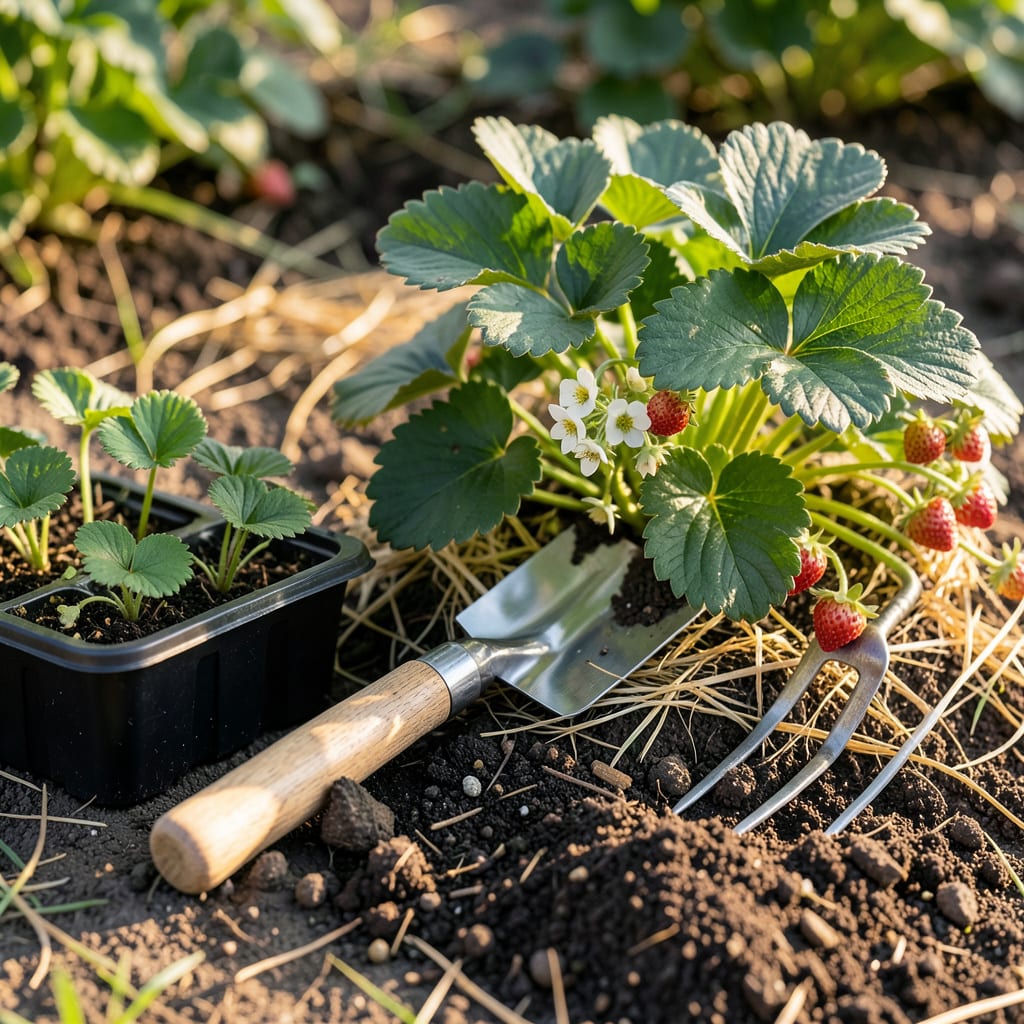
If you’ve ever bitten into a sun-warmed, homegrown 🍓 strawberry, you know nothing beats that burst of sweetness. But in Oklahoma, timing your planting wrong can mean the difference between a bumper crop and a disappointing harvest.
I’ve seen gardeners struggle when they plant too early or too late—frost damage in March or heat stress by May can ruin your efforts. Let me show you the perfect windows for Oklahoma’s climate, so you get juicy berries by early summer without the guesswork.
Oklahoma’s Zone 7a climate gives us two prime windows for strawberries: early spring and late summer. But here’s the catch—June-bearing and everbearing varieties thrive in different seasons. I’ll break down the exact timing so you don’t waste a single berry. 🌱
For June-bearing strawberries (like ‘Chandler’ or ‘Allstar’), aim for March 15–April 10. These plants need chilling hours to produce fruit, and Oklahoma’s winters provide just enough. Plant too late, and the summer heat will fry your blossoms before they fruit.
| Variety | Best Planting Time | Harvest Window | Key Notes |
|---|---|---|---|
| June-Bearing | March 15–April 10 | May–early June | Needs 6 weeks below 45°F to fruit |
| Everbearing | March–April or August | June & Fall | Tolerates less chill than June-bearing |
| Day-Neutral | April–May | All summer | Best for container gardening |
If you’re in the Oklahoma Panhandle (Zone 6b), shift your planting 2 weeks later—frost lingers longer there. For southeastern Oklahoma, you can plant 1–2 weeks earlier thanks to milder winters. Always check your local frost dates!
Bare-root plants (dormant crowns) should go in March–early April, while potted strawberries can wait until late April. I prefer bare-root for June-bearing varieties—they establish faster when planted early. Just soak the roots in lukewarm water for 30 minutes before planting. 💧
For fall planting (everbearing types only), target August 15–September 1. This gives plants time to root before winter but avoids Oklahoma’s August heatwaves. Mulch heavily with straw or pine needles to insulate roots—our temperature swings can be brutal.
Watch the soil temperature: Strawberries need 50–60°F to thrive. Use a soil thermometer—if it’s below 50°F, wait a week. And if you’re planting in clay-heavy Oklahoma soil, amend with compost or sand to improve drainage.
Pro tip: If you miss the spring window, try day-neutral varieties like ‘Tristar’ in late May. They’ll produce a smaller but steady crop through summer. Just keep them well-watered—Oklahoma’s July droughts are no joke! ☀️
Remember, first-year plants focus on root growth, so don’t expect a huge harvest. But by year two, you’ll be drowning in berries—if you nail the timing. Now grab your garden fork and get planting! 🪴
Oklahoma’s unpredictable springs can make strawberry planting tricky, but a month-by-month plan keeps you on track. I’ve found that starting with soil prep in February—testing pH and adding compost—gives plants a strong foundation before the March-April planting window opens.
By late April, your strawberries should be settled in, but don’t skip May mulching to protect shallow roots from Oklahoma’s sudden heat spikes. A little planning now means sweeter berries later—trust me, your future self will thank you! 🌱
Test soil pH (aim for 5.5-6.5); add compost.
Plant bare-root crowns after last frost (March 15).
Mulch with straw to retain moisture; start weekly watering.
Harvest ripe berries; remove runners to boost fruit production.
If you’re planting everbearing varieties like ‘Albion’ or ‘Seascape’, stagger your schedule: start a second batch in early August for a fall harvest. Oklahoma’s Zone 7a climate allows this, but watch for late-summer droughts—drip irrigation helps.
For June-bearing types (e.g., ‘Chandler’), stick to the spring window—they’ll reward you with one massive harvest. I’ve had best luck planting these March 20–April 5, just as soil warms to 50°F. Pro tip: Use a soil thermometer! 🌡️
Don’t forget pest control in July—Oklahoma’s humidity invites slugs and spider mites. A neem oil spray every 2 weeks keeps them at bay. And if unexpected frost threatens in late March, toss a frost blanket over plants overnight.
By following this timeline, you’ll avoid the two biggest Oklahoma strawberry killers: late frost and premature heat stress. Now grab your trowel—it’s time to grow the juiciest berries on the block! 🪴
Even experienced gardeners can trip up when planting strawberries in Oklahoma. The biggest mistake I see? Ignoring soil pH. Our native soil tends to be alkaline (pH 7.5+), but strawberries crave slightly acidic (5.5–6.5). Test your soil first—it’s a game-changer! 🌱
Another common blunder is planting too deep. Bury the crown (where leaves meet roots), and your plants will rot. Keep it half above soil, half below. And don’t crowd them! Space plants 12–18 inches apart to prevent disease and boost airflow.
Many gardeners also misjudge Oklahoma’s last frost date. While March 15 is the average, the Panhandle often freezes until April 1. Check your local data! And if you plant everbearing varieties in summer, shade cloth is a must—our July sun is brutal. ☀️
Here’s a quick fix for struggling plants: If leaves yellow, test for iron deficiency (common in alkaline soil). A foliar spray of chelated iron works wonders. For wilted plants, check for root rot—dig up a plant and look for black, mushy roots.
Finally, don’t forget pest patrol! Oklahoma’s humidity attracts slugs and spider mites. I use beer traps for slugs and neem oil sprays every 2 weeks. A little prevention saves your harvest. Now go enjoy those sweet, homegrown berries! 🪴
Planting before March 15 risks exposing tender crowns to late frosts, especially in the Panhandle. Even a light freeze can damage emerging foliage or kill young plants. Always check your local frost dates—some areas freeze until early April.
Summer planting is risky due to 90°F+ temperatures, but day-neutral varieties like ‘Tristar’ can handle it with afternoon shade and drip irrigation. Mulch heavily with straw to keep roots cool. Expect smaller yields than spring-planted berries.
Use frost blankets for late cold snaps and 30% shade cloth during heatwaves. Oklahoma’s clay soil holds moisture poorly—amend with compost to prevent drought stress. Always plant in raised beds if your area floods.
June-bearing ‘Chandler’ thrives in spring, while everbearing ‘Albion’ handles fall planting. For containers, try day-neutral ‘Seascape’—it tolerates heat better. Match varieties to your planting window for maximum success.
Just amend soil with sulfur or peat moss to lower pH to 5.5–6.5. Test soil annually—Oklahoma’s limestone bedrock constantly raises alkalinity. Container gardening with acidic potting mix is another great option.
