
Beautiful Plants For Your Interior
Beautiful Plants For Your Interior
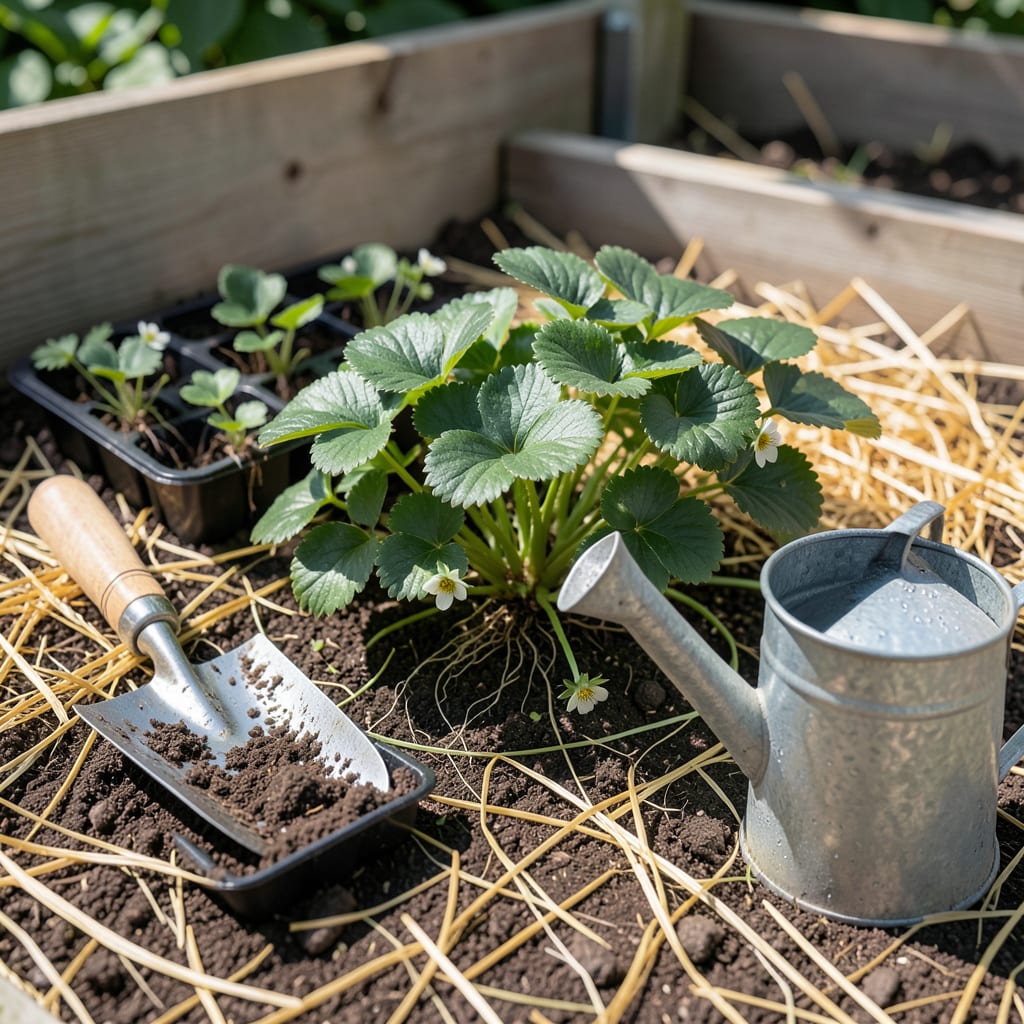
Timing your strawberry planting in Northern California can mean the difference between a bountiful harvest and a disappointing one. Plant too late, and you’ll battle summer heat; plant too early, and unexpected frost might sabotage your crop.
Whether you’re gardening along the foggy coast or in the warmer inland valleys, I’ll break down the optimal months and key climate factors to consider. You’ll also discover the best varieties for your microclimate—so you can enjoy those sweet, juicy 🍓 berries at their peak.
If you’ve ever bitten into a sun-warmed strawberry straight from your garden, you know it’s worth getting the timing right. In Northern California, the difference between a bountiful harvest and a disappointing one often comes down to when you plant. Coastal gardens and inland valleys can vary by 4-6 weeks in ideal planting windows!
The secret? Understanding your microclimate. Coastal areas like San Francisco or Santa Cruz enjoy milder winters and summer fog, while inland spots like Sacramento or Redding face hotter summers and colder winters. These differences change everything—from frost risk to soil temperature thresholds.
For coastal gardeners, fall planting (September-October) is my top recommendation. The mild winters let strawberries establish roots without stress, and you’ll get a spring harvest before summer heat kicks in. I’ve seen ‘Seascape’ varieties thrive here—they’re day-neutral and handle the fog like champs.
Inland, you’ve got more flexibility but also more risks. October-November is ideal for fall planting, but watch for sudden cold snaps in zones 7b-8a. If you miss the fall window, aim for March-April—just be ready to protect young plants from late frosts with row covers or mulch.
Here’s a pro tip: Soil temperature matters more than air temp. Strawberry roots need 50°F+ to grow, while transplants prefer 60°F+. Use a soil thermometer—it’s a game-changer! In coastal areas, soil stays warmer longer, so you can push planting into early November if needed.
If you’re in the foothills, stick to fall planting only. The shorter growing season means spring-planted strawberries often struggle to mature before summer heat. I recommend ‘Albion’ or ‘Chandler’ varieties—they’re cold-hardy and produce well in cooler climates.
For bare-root strawberries, plant as soon as you can work the soil in fall. Container-grown plants? You’ve got a bit more wiggle room—just avoid planting during heatwaves (above 85°F) or when frost is in the forecast. Mulch heavily after planting to retain moisture and regulate soil temp.
Remember, microclimates matter even within your yard. A south-facing slope or area near a fence can be 5-10°F warmer than shady spots. Use this to your advantage—plant heat-loving varieties like ‘Albion’ in sunnier areas and ‘Seascape’ in cooler, foggier patches.
Finally, don’t forget to prep your soil before planting. Strawberries love well-draining, slightly acidic soil (pH 5.5-6.5). Mix in compost and a balanced fertilizer (like 10-10-10) at planting time. In clay-heavy inland soils, add perlite or sand to improve drainage and prevent root rot.
Timing your strawberry planting right means bigger yields, sweeter berries, and fewer headaches. Whether you’re by the coast or tucked in the valleys, getting those plants in the ground at the optimal time sets you up for a season of juicy, homegrown strawberries you’ll be proud of. 🌱
Even the most experienced gardeners can stumble when planting strawberries in Northern California. The region’s diverse microclimates—from foggy coasts to scorching valleys—mean what works in San Francisco might flop in Sacramento. Let’s tackle the top 3 mistakes I see most often.
First up: ignoring your microclimate. Planting at the same time as your neighbor could spell disaster if you’re in different zones. Coastal gardeners often plant too late, missing the fall window, while inland growers rush into spring planting without frost protection. Both errors can stunt growth or kill plants.
Another common blunder? Misjudging frost dates. Inland gardeners in zones 7b-8a (like Chico or Placerville) often plant too early in spring. A late frost can kill blossoms, wiping out your harvest. Always check your local frost dates—use the UC Master Gardener Program’s tools for hyper-local data.
I’ve also seen gardeners overwater new transplants. Strawberries need consistent moisture, but soggy soil causes root rot. Aim for 1-2 inches per week, adjusting for rain. In coastal areas, drip irrigation works best to avoid fungal issues from overhead watering. Inland? Mulch heavily to retain moisture during heatwaves.
Don’t forget about variety selection! Planting a heat-sensitive variety like ‘Hood’ in Sacramento’s summer is asking for trouble. Stick to ‘Albion’ (heat-tolerant) inland or ‘Seascape’ (fog-friendly) on the coast. Matching the variety to your climate prevents poor fruiting and plant stress.
Finally, neglecting pest control can ruin a perfect planting. Coastal gardens battle slugs and snails—use beer traps or copper tape. Inland areas fight spider mites and aphids; neem oil sprays work wonders. Proactively scouting for pests saves your harvest before it’s too late.
Avoiding these mistakes sets you up for healthier plants and sweeter berries. Take the time to plan, prep, and protect your strawberries, and you’ll be rewarded with a harvest that’s worth the effort. 🪴
Not all strawberries are created equal—especially in Northern California, where coastal fog and inland heat demand different traits. Choosing the right variety can mean the difference between a bountiful harvest and a struggling patch. Let’s dive into the top performers for your region.
For coastal gardeners in zones 9a-10a, ‘Seascape’ is my go-to. This day-neutral variety thrives in mild winters and foggy summers, producing sweet berries from spring through fall. It’s also disease-resistant, which is a bonus in humid areas like Marin or Santa Cruz.
Inland gardeners in zones 7b-9b should turn to ‘Albion’. This everbearing variety handles heatwaves like a champ and produces sweet, firm berries from late spring through fall. It’s perfect for Sacramento or Redding, where summers can be brutal. Just keep the soil consistently moist—mulch is your best friend here.
If you’re in the foothills (zones 8a-9a), ‘Chandler’ is a classic choice. This June-bearing variety delivers a single, massive harvest in early summer. It’s cold-hardy, making it ideal for areas like Nevada City or Auburn, where late frosts are common. Pair it with row covers in spring for extra protection.
For container gardeners, ‘Quinault’ is a hidden gem. This everbearing variety stays compact and thrives in pots, producing medium-sized, flavorful berries all season. It’s great for balconies or small spaces in San Francisco or Oakland. Just ensure your containers have drainage holes and use a high-quality potting mix.
No matter which variety you choose, remember that soil prep is key. Strawberries need well-draining, slightly acidic soil (pH 5.5-6.5). Mix in compost and a balanced fertilizer (like 10-10-10) at planting time. In clay-heavy soils, add perlite or sand to improve drainage and prevent root rot. 🌱
Fall (September-October) is ideal for coastal zones 9a-10a. The mild winters let roots establish without stress, leading to earlier spring harvests. Spring planting works but may yield fewer berries due to summer fog delays.
Use row covers or mulch (straw/pine needles) to shield plants when temps drop below 32°F. In zones 7b-8a, keep covers handy until mid-April. Remove covers during daytime to prevent overheating.
Avoid summer planting—heat above 85°F stresses transplants. Instead, wait for late August (coastal) or September (inland). Use shade cloth if absolutely necessary, but yields will likely be lower.
‘Quinault’ (everbearing) thrives in pots and handles partial shade. Use containers with drainage holes and a potting mix amended with compost. Water every 2-3 days in warm weather.
Test soil temp—it should be 50°F+ for roots, 60°F+ for transplants. Check drainage by digging a 12″ hole and filling with water; it should drain within 1 hour. Amend clay with sand or coastal soil with compost.
