
Beautiful Plants For Your Interior
Beautiful Plants For Your Interior
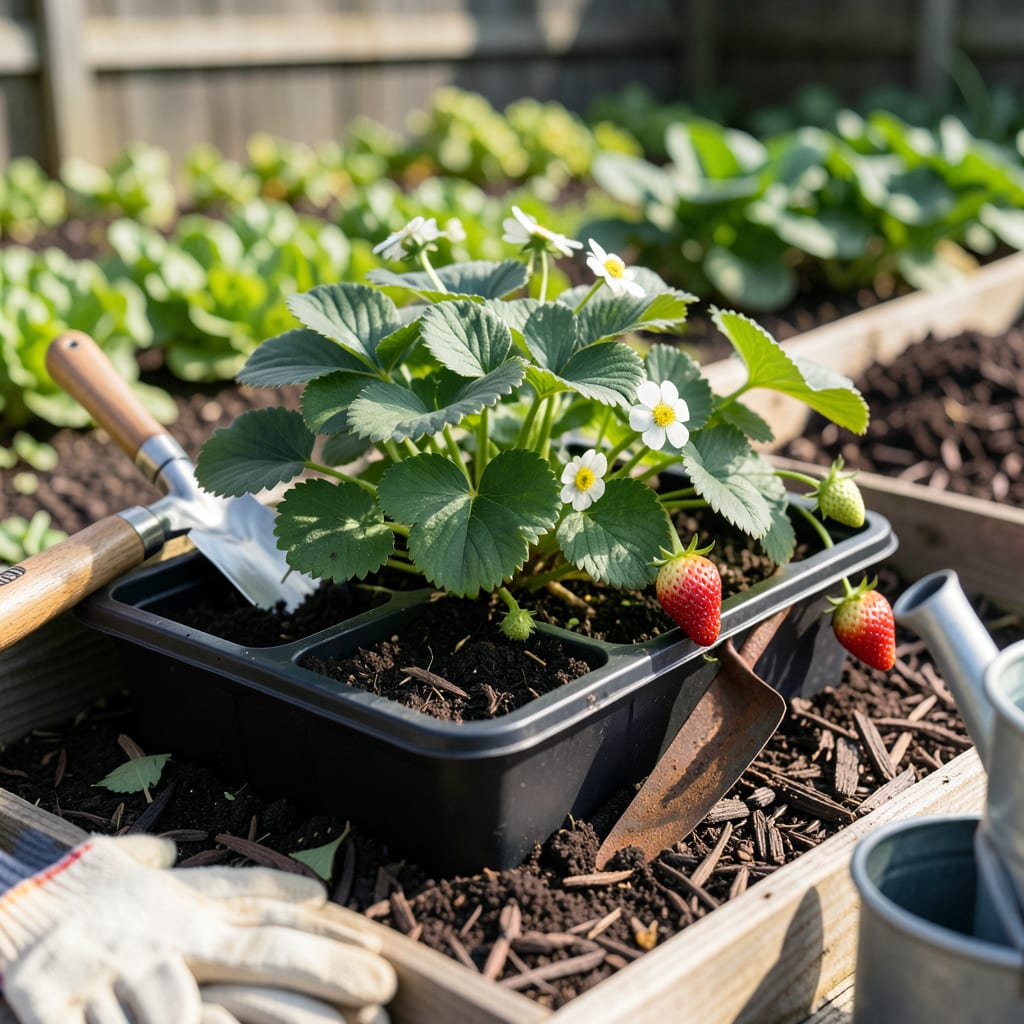
Timing your strawberry planting in New Jersey can mean the difference between a bountiful harvest and a disappointing one. Plant too early, and late frosts might wipe out your crop. Wait too long, and you’ll miss the sweetest berries of the season.
After years of testing what works in NJ’s unpredictable climate, I’ve nailed down the exact windows for zones 6a–7b. Whether you’re near the coast or inland, I’ll show you how to sync your planting with local frost dates and microclimates—so you get juicier strawberries with less guesswork.
If you’re eager to grow plump, sweet strawberries in New Jersey, timing your planting is non-negotiable. NJ spans USDA zones 6a to 7b, meaning frost dates and soil warmth vary significantly. Plant too early, and a late frost could wipe out your crop. Wait too long, and your berries won’t mature before summer’s peak.
I’ve found that spring planting (April to early May) works best for most NJ gardeners, but fall planting (late August to September) can yield earlier harvests next year. Coastal areas like Cape May warm up faster than inland spots like Sussex County, so adjust accordingly.
| Zone | Spring Planting | Fall Planting | Last Frost Date |
|---|---|---|---|
| 6a | Mid-April to early May | Late August to mid-Sept | April 20–30 |
| 6b | Early to mid-April | Late August to early Sept | April 10–20 |
| 7a | Late March to early April | Early to mid-Sept | April 1–10 |
| 7b | Mid to late March | Early Sept to early Oct | March 20–30 |
Adjust for microclimates: Coastal areas plant 1–2 weeks earlier; inland may need to wait.
For June-bearing strawberries, I recommend spring planting in most of NJ. These varieties produce one large harvest in early summer, so timing is critical. In Zone 6a, aim for mid-April after the last frost. Zone 7b gardeners can start as early as mid-March if the soil is workable.
Everbearing and day-neutral strawberries are more flexible. I’ve had success planting them in both spring and fall. Fall planting (August–September) lets roots establish before winter, leading to earlier spring harvests. Just be sure to mulch heavily—NJ winters can be unpredictable!
Soil temperature is your best guide. Strawberries thrive when soil reaches 50–60°F. Use a soil thermometer to check—don’t guess! In coastal NJ, soil warms faster due to ocean influence. Northwest NJ (like Warren County) stays cooler longer, so delay planting by a week or two.
If you’re planting in containers or raised beds, you can start 1–2 weeks earlier than in-ground. The soil warms faster, and you control drainage better. I use black plastic mulch to speed up warming in early spring—it’s a game-changer for Zone 6a gardeners!
Watch the 10-day forecast before planting. If nights will dip below 28°F, hold off. Young strawberry plants can handle light frosts, but hard freezes will kill them. In fall, plant at least 6 weeks before your first expected frost to give roots time to establish.
Pro tip: Pre-chill bare-root plants in the fridge for a week before planting. This trick helps them transition better, especially for fall plantings. And always soak roots in water for an hour before putting them in the ground—it reduces transplant shock.
Remember, NJ’s humid summers can encourage fungal diseases. Space plants 18 inches apart for airflow, and use drip irrigation to keep leaves dry. Mulch with straw or pine needles to suppress weeds and retain moisture without suffocating plants.
Even experienced gardeners can sabotage their strawberry harvests in New Jersey by overlooking key details. The biggest mistake I see? Ignoring NJ’s acidic soil. Most strawberries prefer a pH of 5.5–6.5, but our native soil often tests below 5.0. Without amending, your plants will struggle to absorb nutrients.
Another common blunder is misjudging frost dates. I’ve lost count of how many gardeners plant too early in Zone 6a, only to watch a late April frost wipe out their crop. Always cross-check your local frost dates—don’t rely on general zone guidelines alone.
Fix these, and you’ll double your harvest with half the effort!
The third critical error is picking the wrong variety for your zone. June-bearing strawberries demand perfect timing—miss their window, and you’ll get sparse berries. For Zone 7b, I recommend day-neutral varieties like ‘Albion’ for flexibility. They tolerate NJ’s unpredictable springs better.
Many gardeners also forget to pre-chill bare-root plants. If you’re planting in fall, chill your strawberries in the fridge for 1 week before planting. This mimics winter dormancy, helping roots establish faster. Skip this step, and your plants may sulk all season.
Watering mistakes round out the top issues. Overhead watering in NJ’s humid summers invites fungal diseases like gray mold. Switch to drip irrigation, and water in the early morning so leaves dry quickly. Mulch with straw to keep berries clean and reduce splash-back.
Finally, don’t neglect winter protection. Even in Zone 7b, strawberries need 4–6 inches of mulch to survive NJ winters. I use pine needles—they insulate well and slightly acidify the soil, which strawberries love. Remove mulch in early spring to prevent rot, but keep it handy for late frosts.
Pro tip: If you’re planting in containers, avoid the mistake of using garden soil. It compacts and drains poorly. Instead, mix 50% potting soil with 30% compost and 20% perlite for happy, productive plants. This blend mimics the well-draining, nutrient-rich conditions strawberries crave.
Not all strawberries thrive in New Jersey’s humid summers and variable springs. After testing dozens of varieties, I’ve narrowed it down to the top performers for NJ’s zones 6a–7b. The right choice depends on your goals: one big harvest or steady berries all season?
June-bearing strawberries like ‘Jewel’ and ‘Allstar’ are classics for NJ. They produce a single large crop in early summer, perfect for preserves or freezing. Plant these in early spring (March–April) for a June harvest. In Zone 7b, you can sneak in a fall planting for next year’s crop.
| Type | Best Varieties | Planting Time | Harvest Window |
|---|---|---|---|
| June-bearing | Jewel, Allstar, Chandler | March–April | 2–3 weeks in June |
| Everbearing | Ozark Beauty, Quinault | April or Sept | June, Sept, light fall crop |
| Day-neutral | Albion, Seascape | April–May or Aug | June–October |
*Disease-resistant picks: Try ‘Sparkle’ (resists red stele) or ‘Tristar’ (tolerates heat).
For everbearing varieties like ‘Ozark Beauty’, I plant in April or September. These give you two to three harvests per season—perfect for fresh eating. They’re more forgiving with timing, making them ideal for beginner NJ gardeners or those in coastal areas with milder winters.
Day-neutral strawberries (like ‘Albion’) are my secret weapon for NJ’s climate. They produce berries all season long if temperatures stay between 35–85°F. Plant these in early spring or late summer. In Zone 7b, they’ll often bear fruit until first frost if protected from extreme heat.
If disease resistance is your priority, ‘Sparkle’ and ‘Tristar’ are NJ superstars. ‘Sparkle’ resists red stele root rot, a common issue in our wet springs. ‘Tristar’ handles humidity and heat better than most, making it perfect for inland NJ gardens where summers sizzle.
For container gardening, I love ‘Albion’ and ‘Seascape’. Their compact habit thrives in pots, and they’re less fussy about soil pH. Use a well-draining mix with compost, and place containers where they’ll get 6+ hours of sun. Remember: pots dry out faster in NJ’s summer heat, so check moisture daily.
Avoid summer planting in NJ—our hot, humid weather stresses young plants. Focus on spring (March–May) or fall (August–September) for best results. Summer-planted strawberries often struggle with heat and drought.
Cover plants with frost blankets or straw mulch when temps drop below 32°F. For Zone 6a, keep covers handy until mid-May. Remove coverings during the day to prevent overheating.
Use straw or pine needles—they insulate roots, retain moisture, and suppress weeds. Avoid plastic mulch in summer; it traps too much heat. In coastal NJ, pine needles also help acidify soil slightly.
Bare-root plants are cost-effective but need pre-chilling (1 week in fridge) before planting. Potted plants offer instant growth but cost more. For fall planting, bare-root is ideal; spring planting works with either.
Water every 2–3 days in spring/fall, daily in summer. Use drip irrigation to keep leaves dry and prevent fungal diseases. Check soil moisture 1 inch deep—if dry, it’s time to water.
