
Beautiful Plants For Your Interior
Beautiful Plants For Your Interior
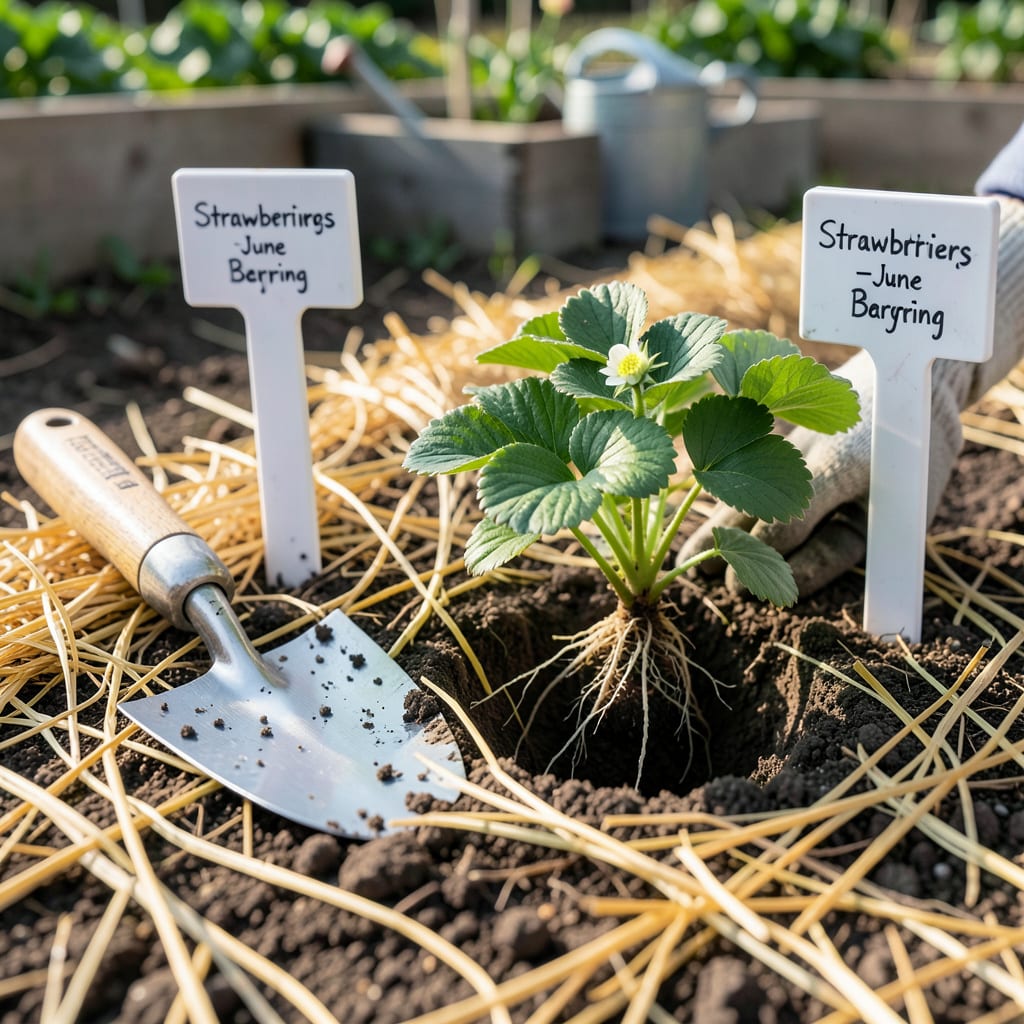
Mississippi’s humid summers and mild winters create a unique window for growing juicy strawberries—but timing is everything. Plant too early, and unexpected frost might wipe out your crop. Wait too long, and the scorching heat will leave you with small, bitter berries instead of those sweet, plump gems you’re dreaming of.
After years of testing what works (and what doesn’t) in Zone 8’s finicky climate, I’ve nailed down the exact planting schedule for Mississippi gardeners. Whether you’re in the Delta or along the Coast, here’s how to sync your strawberry patch with the seasons for a harvest that’ll make neighbors jealous.
If you’re dreaming of plump, sun-ripened strawberries straight from your Mississippi garden, timing your planting is the secret to success. Our state’s Zone 8 climate gives us a long growing season, but strawberries need precise conditions to thrive. The key? Soil temperature between 50–60°F and avoiding extreme heat.
Mississippi’s regional diversity means planting windows vary slightly. Gardeners in the Delta region can plant earlier than those in the Pine Belt or along the Gulf Coast. I’ll break down the ideal months for June-bearing (one big harvest) versus everbearing/day-neutral (multiple harvests) varieties.
| Variety Type | Best Planting Months | Soil Temp | Harvest Window | Best For |
|---|---|---|---|---|
| June-Bearing | Feb 15–Mar 15 | 50–55°F | April–May | Single large harvest |
| Everbearing | Sep 15–Oct 15 | 55–60°F | Spring & Fall | Extended season |
| Day-Neutral | Sep 1–Oct 1 | 55–60°F | Year-round (mild winters) | Continuous harvests |
For June-bearing strawberries, I recommend planting in late February to mid-March. These varieties produce one massive harvest in spring, perfect for preserves or fresh eating. The ‘Chandler’ and ‘Camarosa’ cultivars excel in Mississippi’s heat if planted early enough to establish roots before summer.
Everbearing and day-neutral types are your best bet for fall planting (September–October). They’ll produce multiple smaller harvests through spring and fall. ‘Albion’ and ‘Seascape’ are top picks—they handle our humidity and resist common diseases like gray mold.
Watch your local frost dates: Mississippi’s last frost typically hits around March 15 (earlier in coastal areas, later inland). If you’re planting in early spring, use row covers to protect young plants from surprise cold snaps. Fall plantings need mulch (straw or pine needles) to insulate roots over winter.
Mississippi’s clay-heavy soils can be tricky, so I always amend beds with compost and sand before planting. Aim for a pH of 5.5–6.5—strawberries hate alkaline soil. A raised bed (12–18 inches tall) improves drainage and warms soil faster in spring, giving you a head start.
Pro tip: Water deeply after planting (1–2 inches per week) and keep beds weed-free. Strawberries have shallow roots, so mulch heavily to retain moisture and suppress weeds. I use pine straw—it’s acidic, which strawberries love, and it breaks down slowly.
If you’re in the Delta, you can push planting 1–2 weeks earlier than the Pine Belt due to milder winters. Coastal gardeners should delay spring planting until early March to avoid unexpected frost. Always check your local weather forecasts before setting plants out.
For the sweetest berries, give plants full sun (6–8 hours daily) and consistent moisture. Drip irrigation works best—it keeps foliage dry, reducing disease risk. Feed with a balanced fertilizer (10-10-10) at planting, then switch to a high-potassium formula once flowers appear to boost fruit quality.
Remember, strawberries are perennials in Mississippi if cared for properly. After harvest, renovate beds by mowing foliage, thinning plants, and adding compost. This encourages strong runner production for next year’s crop. With the right timing and care, you’ll enjoy homegrown strawberries for years! 🌱
Even with perfect timing, your strawberry patch can fail if you overlook Mississippi’s unique challenges. I’ve seen gardeners lose entire crops to preventable mistakes—like ignoring our clay-heavy soils or underestimating humidity’s role in disease. Let’s fix these before you plant.
The biggest killer of Mississippi strawberries? Poor drainage. Our native clay holds water like a sponge, drowning roots and inviting root rot. Never plant in low-lying spots or compacted soil. Instead, build raised beds (12–18″ tall) or amend soil with compost and perlite.
Mississippi’s humidity is a double-edged sword—great for growth but a breeding ground for gray mold (Botrytis). To combat this, water early in the day (before 9 AM) so foliage dries quickly. Drip irrigation is ideal—it keeps leaves dry while delivering moisture to roots.
Another common blunder? Using fresh manure as fertilizer. It’s too high in nitrogen, which fuels leafy growth at the expense of fruit. Instead, use aged compost or a balanced 10-10-10 fertilizer at planting. Switch to high-potassium feed (like 0-10-10) when flowers appear to sweeten berries.
Don’t forget about pest pressure. Mississippi’s warm winters mean slugs and snails are active year-round. I use beer traps (buried cups filled with stale beer) and diatomaceous earth around beds. For birds, drape lightweight netting over plants as fruit ripens.
Finally, many gardeners neglect renovation after harvest. To keep plants productive for years, mow foliage to 1″ tall post-harvest, thin crowded plants, and top-dress with compost. This encourages runner production for next year’s crop. Without this step, yields drop by 50% or more in year two. 🌿
Not all strawberries thrive in Mississippi’s humid, hot climate. After testing dozens of varieties in my own garden, I’ve found the top performers that resist diseases, handle our heat, and deliver sweet, juicy berries season after season. The secret? Matching the right variety to your planting window.
For early spring planting (February–March), June-bearing varieties like ‘Chandler’ and ‘Camarosa’ are my go-tos. They produce one massive harvest in April–May and tolerate Mississippi’s clay soils better than most. ‘Chandler’ wins for flavor, while ‘Camarosa’ handles heat stress like a champ.
| Variety | Type | Planting Time | Harvest Window | Best For |
|---|---|---|---|---|
| Chandler | June-bearing | Feb 15–Mar 10 | April–May | Large, sweet berries |
| Camarosa | June-bearing | Feb 20–Mar 15 | Late April–May | Heat tolerance |
| Albion | Day-neutral | Sep 1–Oct 15 | Spring & Fall | Disease resistance |
| Seascape | Everbearing | Sep 15–Oct 10 | May–June & Sept–Oct | Extended season |
For fall planting (September–October), I swear by day-neutral ‘Albion’ and everbearing ‘Seascape’. These varieties produce multiple harvests—spring and fall—making them perfect for Mississippi’s long growing season. ‘Albion’ resists gray mold, a huge plus in our humid climate.
Coastal gardeners should try ‘Fort Laramie’, a June-bearing variety that thrives in sandy soils and tolerates salt spray. Inland? ‘Sweet Charlie’ is a winner—it ripens early, beating the worst of summer’s heat. Both need well-draining soil and benefit from raised beds to prevent waterlogging.
Pro tip: Buy bare-root plants from reputable Southern nurseries like Nourse Farms or Stark Bros. Avoid big-box stores—their plants often arrive stressed or diseased. For organic growers, ‘Tristar’ (day-neutral) is a great choice—it’s disease-resistant and produces well in containers.
Remember, variety matters as much as timing. Pair the right strawberry with your region’s microclimate, and you’ll be rewarded with bigger, sweeter berries and fewer headaches. Now go pick your winner and get planting! 🌱
Spring planting (February–March) works best for June-bearing varieties, giving you one big harvest. Fall planting (September–October) suits everbearing/day-neutral types for multiple smaller harvests. Fall-planted strawberries often yield earlier the next spring.
Use row covers or frost blankets when temps dip below 32°F. For unexpected cold snaps, water plants in the afternoon—moist soil retains heat better. Coastal gardeners can plant 1–2 weeks earlier than inland areas.
Choose day-neutral varieties like ‘Albion’ or ‘Tristar’. Use containers at least 8–12 inches deep with drainage holes. Fill with a mix of potting soil and compost, and place in full sun. Water daily in summer.
This usually means overcrowding, poor soil, or inconsistent watering. Thin plants to 12–18 inches apart, amend clay soil with compost, and maintain even moisture. Heat stress also reduces sweetness—mulch heavily to cool roots.
With proper care, plants can produce for 3–5 years. Renovate beds annually after harvest by mowing foliage, thinning plants, and adding compost. Replace plants if yields drop significantly or diseases persist.
