
Beautiful Plants For Your Interior
Beautiful Plants For Your Interior
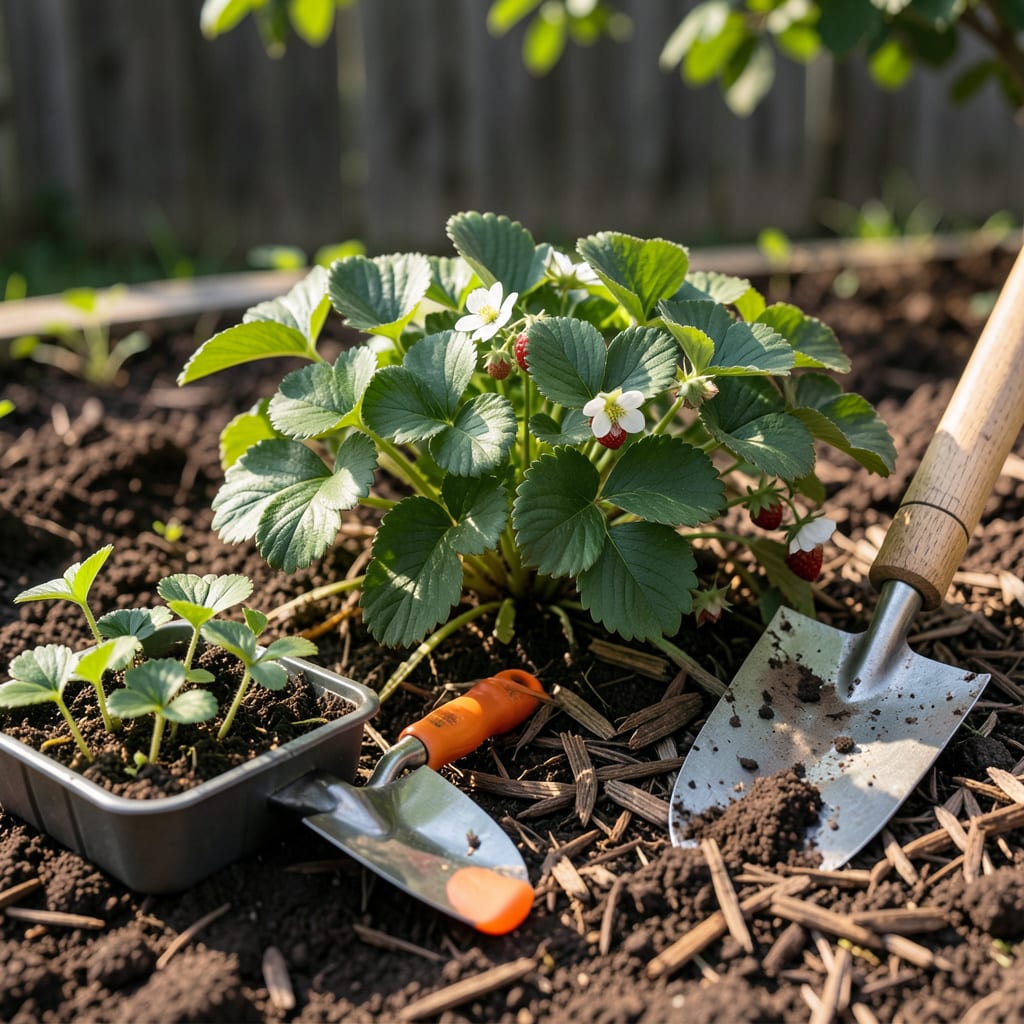
Imagine biting into a juicy, sun-warmed strawberry you grew yourself—right in your Maryland backyard. The secret? Timing is everything when planting these sweet gems in our Zone 7a climate.
Plant too early, and a late frost might ruin your crop. Wait too long, and you’ll miss that perfect spring window for the biggest harvests. I’ll show you exactly when to get those 🍓 strawberries in the ground for maximum flavor and yield—no guesswork required.
Getting your strawberry timing right in Maryland means the difference between a bountiful harvest and a disappointing patch. Our Zone 7a climate gives us two prime planting windows: early spring (March–April) and early fall (September). But the best time depends on your variety and planting method.
For June-bearing strawberries, I always aim for late March to early April—just after our last frost date (April 15). These plants need that cool spring weather to establish roots before fruiting. Everbearing and day-neutral types are more flexible, but they still thrive when planted in early spring or early fall.
| Variety | Best Planting Time | Method | Harvest Window |
|---|---|---|---|
| June-bearing | March–April | Bare-root or potted | May–June |
| Everbearing | March–April or September | Potted preferred | June–October |
| Day-neutral | April–May or September | Potted or bare-root | June–Frost |
*Soil temp should be 50–60°F for best root establishment.
If you’re planting bare-root strawberries, I recommend soaking the roots in lukewarm water for 30 minutes before planting. This rehydrates them and reduces transplant shock. For potted plants, gently loosen the roots if they’re circling—they’ll establish faster in Maryland’s clay-heavy soil.
Fall planting (September) works well for everbearing and day-neutral varieties. The cooler temps let plants focus on root growth, and you’ll get an earlier harvest next spring. Just be sure to mulch heavily (4–6 inches of straw) before winter to protect crowns from freezing temps.
Coastal Maryland gardeners can plant 1–2 weeks earlier than inland areas thanks to milder winters. If you’re near the Chesapeake Bay, watch for late winter warm-ups—they can trick strawberries into early blooming, making them vulnerable to frost. Keep row covers handy for unexpected cold snaps.
For container growing, I start strawberries in 12-inch-deep pots in late March. Use a well-draining potting mix with added compost. Containers dry out faster in Maryland’s summer heat, so check moisture daily and move pots to partial shade if temps exceed 85°F.
Remember, strawberries are perennials in Maryland if cared for properly. After your first harvest, renovate June-bearing plants by mowing foliage and thinning runners. For everbearing types, remove old leaves and fertilize with a 10-10-10 blend to encourage fall fruiting. This keeps your patch productive for 3–4 years.
Pro tip: Use the University of Maryland Extension’s frost date tool to pinpoint your exact last frost date. I’ve found microclimates can vary by 2 weeks even within the same county. When in doubt, plant after soil temps hit 50°F—your strawberries will thank you with bigger, sweeter berries! 🌱
Now that you’ve got the timing down, let’s talk about protecting those precious plants from Maryland’s humidity-loving pests and unpredictable weather swings. A little prep now means less stress—and more strawberries—later! 🪴
Maryland’s humid summers and clay-heavy soils can turn strawberry dreams into disappointments—unless you avoid these common blunders. I’ve seen even experienced gardeners lose plants by overlooking simple details like soil pH or planting depth. Let’s fix that.
First, never ignore your last frost date (around April 15 for most of Maryland). Planting bare-root strawberries too early exposes tender roots to cold snaps, while waiting too long stresses plants in summer heat. Timing is your first line of defense for a thriving patch.
Another critical error? Assuming all strawberry varieties perform equally here. June-bearing types like ‘Chandler’ excel in Maryland’s spring planting window, while day-neutral varieties (e.g., ‘Albion’) tolerate our summer humidity better. Match your choice to your goals.
Don’t forget soil prep—our native clay drains poorly. Mix in compost and sand to improve texture. I add a 2-inch layer of aged manure before planting to boost nutrients. This extra step prevents waterlogged roots and fungal issues.
Finally, watering mistakes kill more strawberries than pests. Keep soil consistently moist (not soggy) with 1–1.5 inches weekly. Drip irrigation works best—avoid overhead watering to reduce disease risk in our humid climate.
By dodging these pitfalls, you’ll set your Maryland strawberry patch up for success. Next, let’s talk about protecting your plants from late frosts and hungry critters—because even perfect planting won’t stop a determined rabbit! 🪴
Once your strawberries are in the ground, Maryland’s humid summers and unpredictable weather demand consistent care. I’ve found that following a month-by-month schedule keeps plants thriving from spring planting through fall harvests. Let’s break down what your strawberries need—and when.
Right after planting, focus on watering deeply (1–1.5 inches weekly) to help roots establish. Maryland’s clay soil holds moisture but drains poorly, so I use drip irrigation to avoid soggy crowns. Mulch immediately with straw or pine needles to retain moisture and suppress weeds.
*Adjust for coastal vs. inland microclimates!
By May, your June-bearing strawberries will start flowering. Protect blossoms from late frosts with row covers if temps dip below 32°F. I use organic slug bait as soon as fruit forms—Maryland’s damp springs are a slug’s paradise. For everbearing varieties, pinch off early blooms to redirect energy into root growth.
Summer care revolves around consistent moisture and pest control. Water at soil level to prevent fungal diseases like gray mold. If you notice yellowing leaves, test soil pH—our heavy rains can leach nutrients. A mid-summer compost top-dressing keeps plants productive.
Come fall, renovate June-bearing plants by mowing foliage and thinning runners. Feed with a balanced fertilizer to prep for winter. For everbearing types, remove old leaves and apply fresh mulch. I’ve had success extending harvests into October by using low tunnels to protect plants from early frosts.
Winter prep is critical in Maryland. After the first hard frost, add a thick straw mulch (4–6 inches) to insulate crowns. Avoid hay—it harbors weeds. In containers, move pots to an unheated garage or bury them in the ground for insulation. With proper care, your strawberry patch will reward you for 3–4 years! 🌿
Fall planting (September) gives roots time to establish before winter, often leading to stronger plants and earlier spring harvests. However, spring planting (March–April) works best for June-bearing varieties. Coastal areas can plant slightly earlier due to milder winters.
Use row covers or cloches when temps dip below 32°F. For containers, move pots to a sheltered area. Mulching with straw (2–3 inches) also helps insulate roots during unexpected cold snaps.
Day-neutral varieties like ‘Albion’ or ‘Seascape’ handle Maryland’s summer humidity better than June-bearing types. They produce fruit continuously and resist common fungal issues. For spring planting, ‘Chandler’ is a reliable June-bearing choice.
Use 12-inch-deep pots with drainage holes and a well-draining potting mix. Containers dry out faster in summer, so water daily when temps exceed 85°F. Move pots to partial shade during heatwaves.
During summer, strawberries need 1–1.5 inches of water weekly, split into 3–4 sessions. Drip irrigation is ideal to avoid wetting leaves, which can lead to fungal diseases in our humid climate. Check soil moisture daily in containers.
