
Beautiful Plants For Your Interior
Beautiful Plants For Your Interior
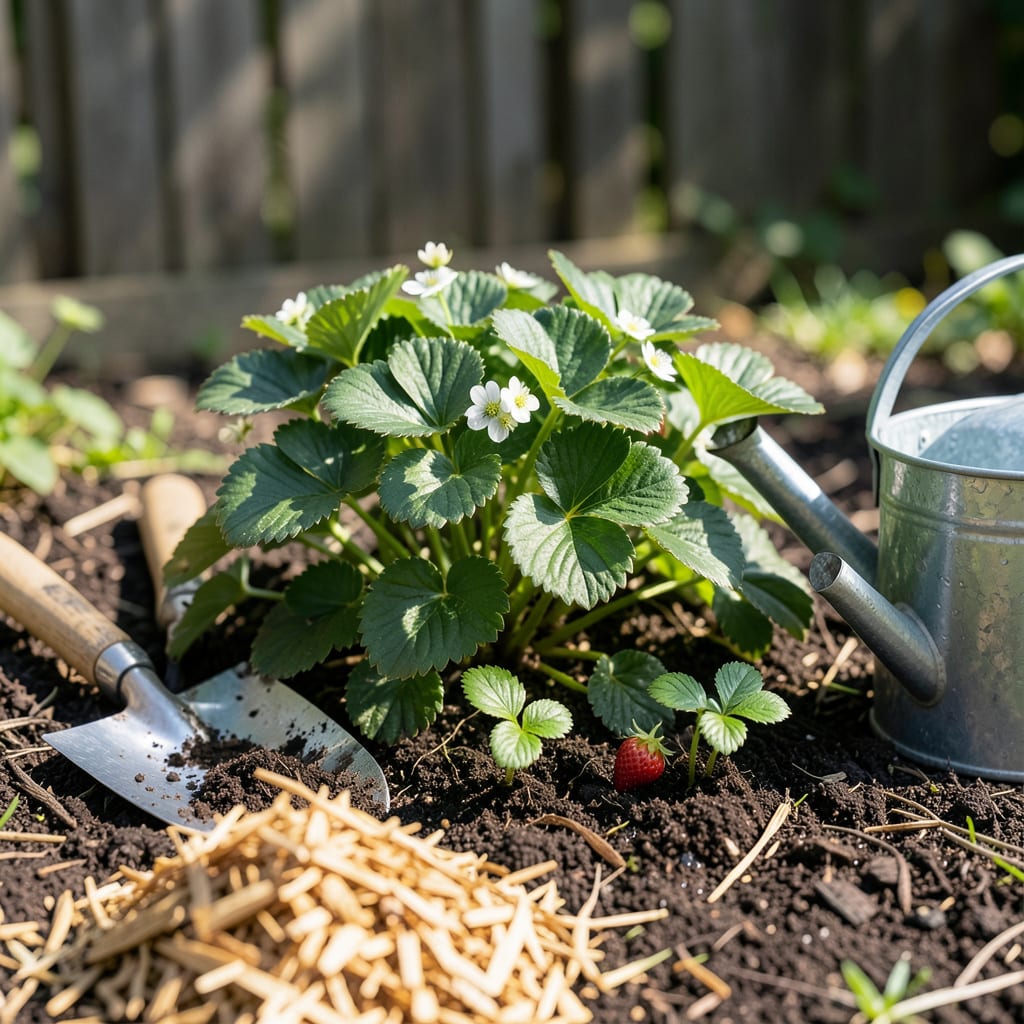
Timing your strawberry planting in Kentucky can mean the difference between a lackluster harvest and juicy, overflowing baskets of berries. I’ve seen gardeners miss their ideal window by just weeks—and pay for it all season long.
Whether you’re in Lexington’s Zone 6b or the warmer corners of Zone 7a, nailing the right moment to plant is critical. Let’s break down the exact spring and fall windows for your area, so you can set your 🍓 up for success from day one.
If you’re eager to grow juicy strawberries in Kentucky, timing your planting is everything. Kentucky spans USDA zones 5b–7a, meaning your ideal window shifts slightly depending on where you live. Northern KY (zone 5b) has a shorter season, while Western KY (zone 7a) enjoys a longer growing window.
For most gardeners, early spring (March–April) and early fall (September–October) are prime times. But to maximize your harvest, you’ll need to align planting with your last frost date—which can vary by up to a month across the state.
| Zone | Spring Planting Window | Fall Planting Window | Last Frost Date | First Frost Date |
|---|---|---|---|---|
| 5b (Northern KY) | Mid-April–May 1 | Sept 1–20 | April 15–25 | Oct 10–20 |
| 6a (Cincinnati area) | Late March–April 15 | Sept 10–Oct 1 | April 10–20 | Oct 15–25 |
| 6b (Louisville/Lexington) | March 20–April 10 | Sept 15–Oct 10 | April 1–15 | Oct 20–30 |
| 7a (Western KY) | March 1–March 20 | Sept 20–Oct 15 | March 20–30 | Oct 25–Nov 5 |
For spring planting, aim to get your strawberries in the ground 2–3 weeks before your last frost date. This gives roots time to establish before warm weather kicks in. In zone 6b (Louisville/Lexington), that means planting around late March for a summer harvest.
If you prefer fall planting, target 6–8 weeks before your first frost. This allows plants to develop strong roots before winter. In zone 7a (Western KY), you can plant as late as mid-October and still get a head start on next year’s crop.
Kentucky’s humid summers and clay-heavy soil can challenge strawberries, so I always recommend raising beds or amending soil with compost. Mulching with straw or pine needles helps retain moisture and suppresses weeds—critical for KY’s finicky weather.
For June-bearing varieties like ‘Chandler,’ spring planting ensures a single large harvest in early summer. But if you want multiple harvests, opt for day-neutral types like ‘Albion’ and plant in both spring and fall for extended production.
Remember, soil temperature matters more than air temp. Strawberries thrive when soil reaches 50–60°F. Use a soil thermometer to check—don’t guess! In colder zones (5b–6a), black plastic mulch can warm soil faster for earlier planting.
If you’re in zone 5b (Northern KY), protect fall-planted strawberries with 4–6 inches of mulch over winter. This prevents frost heave and ensures plants survive to produce next year’s berries. Remove mulch in early spring once danger of hard frost passes.
For the best results, test your soil pH—strawberries prefer 5.5–6.5. Kentucky’s soil often leans alkaline, so amending with sulfur or peat moss may be necessary. A simple soil test kit from your local extension office can save you months of frustration.
Finally, spacing matters! Plant strawberries 12–18 inches apart in rows 3–4 feet apart to allow for runners. Crowded plants compete for nutrients and produce smaller berries. Trust me—I learned this the hard way after my first overplanted (and underwhelming) harvest!
Now that you know when to plant, the next step is choosing the right varieties for your KY garden. But that’s a topic for our next section—so stay tuned for my top strawberry picks that thrive in Kentucky’s climate! 🌱
Choosing the right strawberry variety for Kentucky’s climate can make or break your harvest. Our state’s humid summers and variable frost dates demand varieties that can handle the swings. I’ve tested dozens, and two types stand out: June-bearing and everbearing/day-neutral.
June-bearing strawberries give you one massive harvest in early summer—perfect if you love preserving or selling berries. Everbearing types produce multiple smaller harvests from spring to fall, ideal for fresh eating. Let’s compare the best options for your KY garden.
| Variety Type | Best for KY Zones | Harvest Time | Yield Size | Top Picks | Care Notes |
|---|---|---|---|---|---|
| June-Bearing | 5b–7a | 2–3 weeks in June | Large, concentrated | ‘Chandler’, ‘Jewel’ | Plant in early spring; needs winter chill |
| Everbearing | 6a–7a | Spring, summer, fall | Moderate, spread out | ‘Albion’, ‘Seascape’ | Tolerates heat better; plant spring/fall |
| Day-Neutral | 6b–7a | Continuous | Small, frequent | ‘Tristar’, ‘Sweet Ann’ | Less sensitive to day length; great for containers |
For Zone 5b gardeners (Northern KY), I recommend ‘Chandler’—it’s cold-hardy and produces large, sweet berries perfect for jams. In Zone 6b (Louisville/Lexington), ‘Albion’ shines with its disease resistance and extended harvest window, critical for our humid summers.
If you’re in Zone 7a (Western KY), try ‘Seascape’ for its heat tolerance. This everbearing variety thrives in warmer areas and keeps producing when others wilt. For container gardeners, ‘Tristar’ is my go-to—it’s compact and fruits all season long with minimal space.
Remember, June-bearing varieties need 6–8 hours of sun daily, while everbearing types can tolerate partial shade (4–6 hours). This flexibility makes them ideal for KY gardens with dappled sunlight from trees or buildings. I’ve grown ‘Albion’ successfully under my deck’s partial shade!
Soil prep matters too! All strawberries prefer well-draining soil with a pH of 5.5–6.5. In Kentucky’s clay-heavy soil, amend beds with compost and sand before planting. A raised bed can also improve drainage and warmth, especially in cooler zones like 5b.
Finally, mulch is non-negotiable in KY. Use straw or pine needles to retain moisture, suppress weeds, and protect berries from soil splashes. I’ve found that red plastic mulch can even boost yields by reflecting light—worth trying if you’re aiming for maximum production! 🌱
Even with perfect timing, your Kentucky strawberry patch can fail if you overlook these common mistakes. I’ve made them all—so you don’t have to! The biggest culprit? Ignoring our state’s clay-heavy soil and humid summers, which create unique challenges.
First up: poor soil prep. Kentucky’s native soil is often too dense and alkaline for strawberries. Without amending, you’ll get weak plants and tiny berries. The fix? Work in 3–4 inches of compost and a bit of sand before planting to improve drainage and acidity.
Another big mistake? Planting at the wrong depth. Strawberry crowns should sit just above soil level—bury them, and they’ll rot; leave them exposed, and they’ll dry out. I use a trowel to dig a shallow hole, then fan out the roots before gently covering them.
Don’t forget about pest pressure! Kentucky’s humidity attracts slugs, birds, and fungal diseases. I lost half a crop to slugs before learning to use beer traps and copper tape. For birds, lightweight row covers work wonders without blocking sunlight.
Finally, watering inconsistently is a recipe for disaster. Strawberries need 1–1.5 inches of water weekly, especially when fruiting. In KY’s summer heat, that often means daily watering. Drip irrigation is ideal—it keeps leaves dry, reducing fungal risks like gray mold.
By avoiding these pitfalls, you’ll set your Kentucky strawberry patch up for success. Next up: let’s talk about maintaining your plants post-planting to keep those berries coming all season long! 🌱
Spring planting gives you berries the same year, while fall planting establishes roots for next year’s harvest. In Kentucky, fall-planted strawberries often produce stronger plants and bigger yields. Just protect them with mulch over winter!
Strawberries need soil that’s workable and 50-60°F. Test by squeezing a handful—if it crumbles easily and isn’t soggy, it’s ready. Kentucky’s clay soil often needs compost mixed in for better drainage.
Use containers at least 8-12 inches deep with drainage holes. Fill with a mix of potting soil and compost. Day-neutral varieties like ‘Tristar’ thrive in containers and produce all season long.
Planting too deep or too shallow is the #1 error. The crown (where leaves meet roots) should sit just above soil level. Bury it and it rots; leave it exposed and it dries out. Use a trowel to create a shallow hole.
Keep soil consistently moist but not soggy. In Kentucky’s climate, that typically means 1-1.5 inches weekly. Drip irrigation works best to avoid wetting leaves, which can lead to fungal diseases. Check soil daily during the first week.
