
Beautiful Plants For Your Interior
Beautiful Plants For Your Interior
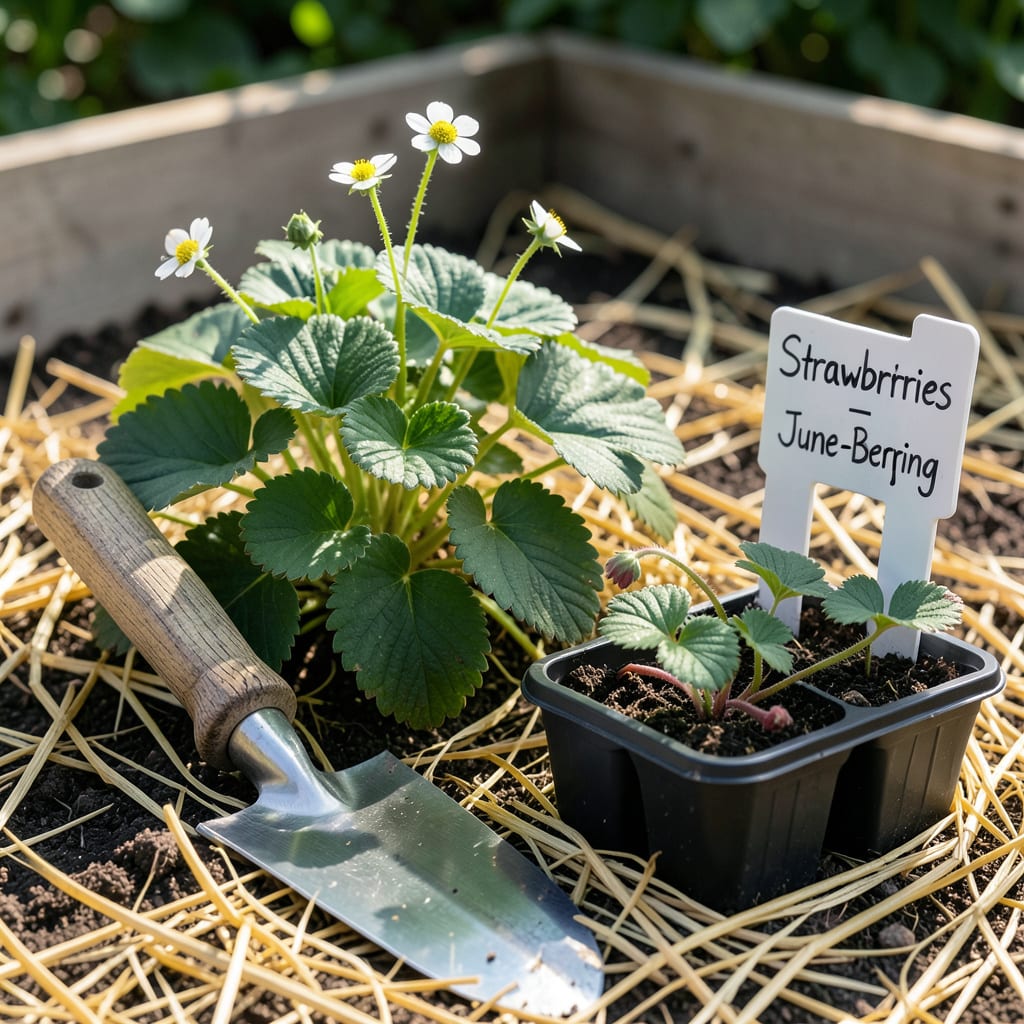
Nothing beats the taste of homegrown Kentucky strawberries—but timing your planting wrong could leave you with a sad, fruitless patch. I’ve seen gardeners lose entire crops by planting too early or too late, and in our unpredictable Zones 6b-7a, the stakes are even higher.
Whether you’re dreaming of spring harvests or a fall head start, the secret lies in matching your variety to Kentucky’s quirky climate. Let me break down the exact windows for June-bearing, everbearing, and day-neutral strawberries—so you get the juiciest berries without the guesswork.
If you’ve ever dreamed of picking sun-ripened strawberries straight from your Kentucky garden, timing your planting is everything. Kentucky’s USDA zones 6a–7b give us a unique advantage, but the wrong planting window can mean sparse harvests—or worse, no berries at all. Let’s break down the best times for each strawberry type.
Here’s the key: June-bearing strawberries need early spring planting for a single, massive harvest, while everbearing and day-neutral varieties thrive with late-summer planting for multiple flushes. Kentucky’s last frost (around April 15) is your golden marker for timing. 🌱
| Variety | Best Planting Window | Harvest Time | Key Notes |
|---|---|---|---|
| June-Bearing | March–April | May–June | Plant 2–3 weeks before last frost; one large harvest. |
| Everbearing | August–September | June, fall, next spring | Two to three harvests per year; avoid summer planting. |
| Day-Neutral | August–September | Continuous (summer–fall) | Produces until first frost; ideal for containers. |
*Adjust dates by 1–2 weeks for Zone 6a (cooler) vs. Zone 7b (warmer).
For June-bearing strawberries, I always aim to plant in late March to early April. This gives roots time to establish before the heat of summer. If you’re in Western Kentucky (Zone 7a), you can push planting a week earlier than Eastern KY (Zone 6b). Mulch heavily after planting to protect against late frosts.
Everbearing and day-neutral varieties are my secret for extended harvests. Plant these in late August to early September—this timing lets them root before winter dormancy. Come spring, they’ll explode with growth. I’ve had ‘Albion’ day-neutrals produce until November in Louisville with row covers!
Pro tip: If you miss the spring window for June-bearing types, don’t panic. You can plant bare-root strawberries in early fall (September), but expect a lighter harvest the first year. Focus on root establishment by watering 1–1.5 inches weekly and mulching with straw.
Kentucky’s humid summers can stress strawberries, so I avoid planting in May–July. The heat makes it harder for plants to establish, and you’ll battle more fungal diseases. If you must plant in summer, opt for container-grown plants and provide afternoon shade.
For Zone 6a gardeners (like those in Lexington or Covington), watch for late frosts—they can linger into early May. Use frost blankets or low tunnels if planting early. In Zone 7a (Paducah, Bowling Green), you’ll have a slightly longer season, so take advantage by planting a week earlier.
If you’re growing in raised beds, warm the soil faster by covering beds with black plastic 2–3 weeks before planting. This trick lets me plant June-bearing strawberries in late February in Zone 7a with protection. Just remove the plastic once shoots emerge to avoid overheating.
Remember, strawberries are perennials in Kentucky—with proper care, your plants can produce for 3–5 years. Renew beds every year by thinning runners and adding compost. I refresh my strawberry patches in late summer after the main harvest to keep productivity high. 🪴
Kentucky’s weather keeps gardeners on their toes—late frosts, sweltering humidity, and unpredictable rainfall can make or break your strawberry crop. I’ve learned the hard way that even perfect planting timing won’t save your berries if you ignore our state’s climate quirks. Here’s how to outsmart Kentucky’s weather for bigger, sweeter harvests.
The biggest challenge? Our last frost date (around April 15) isn’t set in stone. In Zone 6a (Lexington, Covington), frosts can sneak in as late as May 1, while Zone 7a (Louisville, Paducah) might see earlier warming. Always check your local frost dates and keep row covers handy. 🌡️
Late frosts are the #1 strawberry killer in KY. Even established plants can suffer if temps dip below 28°F during bloom.
Protect your plants: Use frost blankets or low tunnels (remove by 10 AM to prevent overheating).
Zone 6a gardeners: Wait until April 20+ to plant bare-root strawberries unless using protection.
Zone 7a gardeners: Can plant 2–3 weeks earlier with mulch or plastic coverage.
Our humid summers create a double-edged sword. While strawberries love moisture, the humidity also invites fungal diseases like gray mold. I combat this by planting in raised beds with well-draining soil (mix in compost and perlite) and spacing plants 18 inches apart for airflow. Morning watering is non-negotiable—wet leaves overnight spell disaster.
For Western Kentucky gardeners (Zone 7a), the longer growing season means you can push planting dates earlier. I’ve successfully planted June-bearing strawberries in late February in Paducah by using black plastic mulch to warm the soil. Just monitor for false springs—a week of 70°F in March doesn’t mean winter’s over!
Eastern Kentucky’s cooler microclimates (Zone 6a) demand extra patience. In places like Pikeville, I recommend planting June-bearing varieties no earlier than April 1 unless you’re using cold frames. For everbearing strawberries, shift fall planting to early September to ensure roots establish before winter.
Here’s my secret weapon for beating Kentucky’s climate: microclimates. South-facing slopes or walls absorb heat, letting you plant 1–2 weeks earlier. In my Louisville garden, I use a south-facing raised bed with a dark-colored border to create a mini heat trap. Just watch for afternoon sun scorch in July—shade cloth becomes essential then.
Don’t let Kentucky’s finicky weather discourage you. With these adjustments—frost protection, smart spacing, and microclimate tricks—you’ll harvest strawberries so sweet they’ll taste like they’re straight from a farm stand. Next, let’s tackle the three critical mistakes I see Kentucky gardeners make with strawberries… 🪴
Even with perfect timing, small mistakes can ruin your Kentucky strawberry harvest. After years of trial and error in my own garden, I’ve pinpointed the three most common blunders that leave gardeners with weak plants or no berries at all. Let’s fix them before you plant!
The first mistake? Ignoring soil pH. Strawberries crave slightly acidic soil (pH 5.5–6.5). I’ve seen gardeners plant in neutral soil (pH 7.0+) and wonder why their plants struggle. Test your soil first—if it’s too alkaline, amend with sulfur or pine needles before planting. 🌡️
Mistake #2 is overcrowding plants. It’s tempting to pack in more for bigger harvests, but strawberries need airflow to prevent fungal diseases. I space my plants 18 inches apart in rows 3 feet apart. In humid Kentucky summers, this spacing is non-negotiable for healthy plants.
The third critical error? Planting at the wrong depth. Bury the crown (where leaves meet roots) too deep, and it’ll rot. Leave it exposed, and the plant dries out. The fix: Position the crown level with the soil surface. When planting, fan out roots and ensure the crown sits just above the soil line.
Bonus mistake I see often: Skipping mulch. Kentucky’s temperature swings demand protection. I use straw mulch (2–3 inches) to retain moisture, suppress weeds, and insulate roots. In winter, mulch prevents heaving (when freeze-thaw cycles push plants out of the ground). Pine straw works too—just avoid hay, which contains weed seeds. 🪴
Finally, don’t overlook variety selection. Not all strawberries thrive in Kentucky’s humidity. I recommend disease-resistant varieties like ‘Chandler’ (June-bearing) or ‘Albion’ (day-neutral) for their tolerance to our fungal pressures. Avoid older varieties like ‘Surecrop’—they’re susceptible to gray mold in our climate.
Zone 6a (Lexington, Covington) runs about 1–2 weeks cooler than Zone 7a (Louisville, Paducah). Adjust planting dates accordingly: plant June-bearing strawberries in early April for Zone 6a, but late March works for Zone 7a. Always watch for late frosts in both zones.
Avoid summer planting in Kentucky—our heat and humidity stress young plants. Instead, plant everbearing or day-neutral varieties in late August to early September for fall production. If you must plant in summer, use container-grown plants and provide afternoon shade.
Use frost blankets or low tunnels to shield plants when temps drop below 28°F. Remove covers by 10 AM to prevent overheating. In Zone 6a, keep mulch handy—straw or pine needles add insulation without smothering plants.
Opt for disease-resistant types like ‘Chandler’ (June-bearing) or ‘Albion’ (day-neutral). These tolerate our humidity and fungal pressures better than older varieties. For containers, try ‘Seascape’—it thrives in Kentucky’s climate.
Water 1–1.5 inches weekly, keeping soil consistently moist but not soggy. Morning watering is ideal—avoid wetting leaves in evening to prevent fungal issues. In summer, increase to 2–3 times per week during dry spells.
