
Beautiful Plants For Your Interior
Beautiful Plants For Your Interior
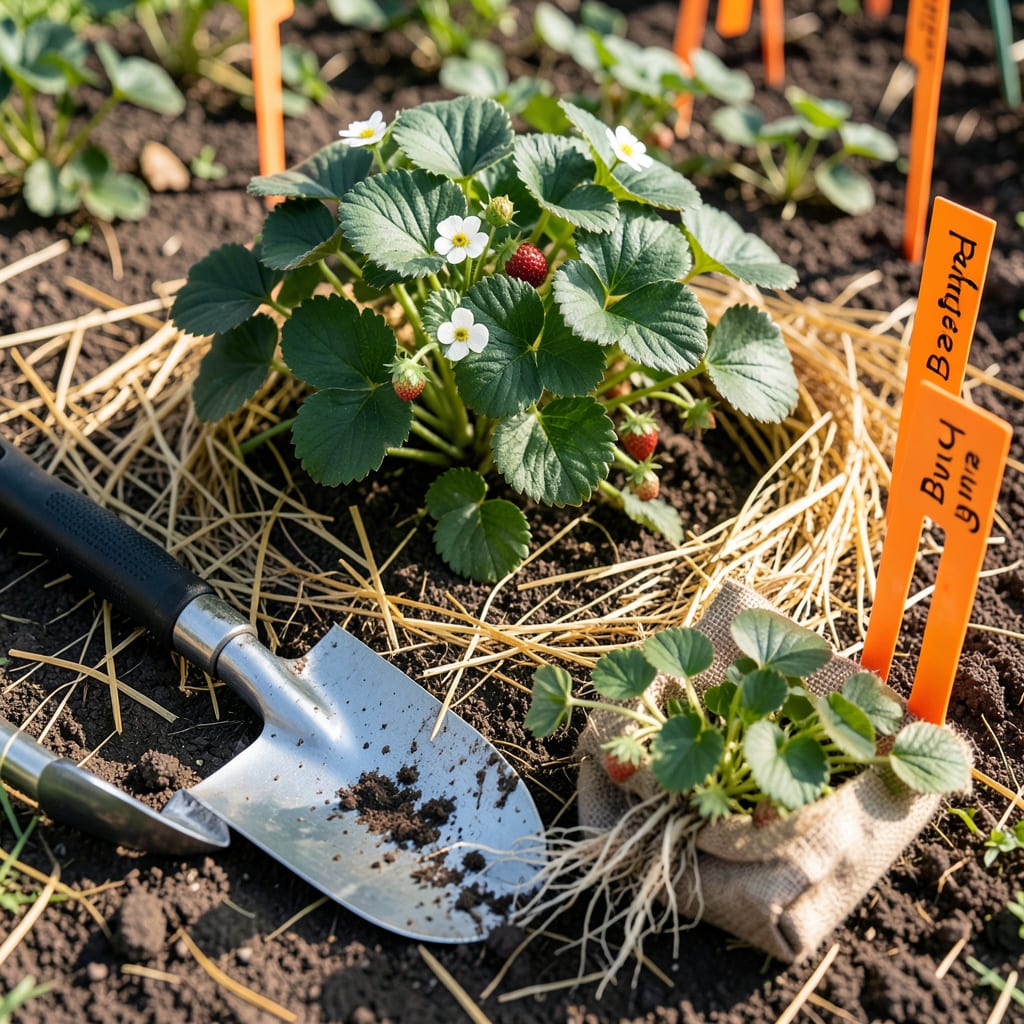
There’s nothing quite like biting into a sun-warmed strawberry you grew yourself—but in Kansas, timing your planting wrong could leave you with a sad, fruitless patch. I’ve seen too many gardeners miss their sweetest harvests by just a few weeks.
The difference between a thriving 🍓 strawberry bed and a disappointing one often comes down to when you put those plants in the ground. Let me break down the exact windows for Kansas’s climate—so you can enjoy juicy berries from spring through fall, year after year.
Kansas’s unpredictable springs can make strawberry planting feel like a gamble—but it doesn’t have to be. The key is matching your strawberry type to the right window. June-bearing varieties thrive with early spring planting, while everbearing and day-neutral types offer more flexibility.
I always check the last frost date (around April 15 for most of Kansas) and aim to plant when soil temps hit 50°F. Western Kansas gardeners should plant slightly later due to cooler soils, while eastern regions can start a week or two earlier. Let’s break it down by variety.
| Variety | Best Planting Window | Harvest Time | Notes |
|---|---|---|---|
| June-bearing | March 15–April 15 | May–June | Plant early for one big harvest. Try ‘Ozark Beauty’ or ‘Jewel’. |
| Everbearing | April 1–May 1 | June, August, September | Two to three harvests. ‘Albion’ thrives in Kansas heat. |
| Day-neutral | April 15–May 15 | June–October | Continuous fruit. ‘Seascape’ handles temperature swings well. |
| Fall-Planted | September 1–October 1 | Next spring | Establishes roots before winter. Mulch heavily after planting. |
For June-bearing strawberries, I recommend planting as soon as the soil is workable—usually mid-March to mid-April. These varieties produce one large crop, so timing is critical. If you miss the window, you’ll sacrifice berry size and quantity.
Everbearing strawberries give you a second chance with a slightly later planting window. I’ve had great success with ‘Albion’ planted in early April, which produces fruit in June and again in late summer. Just be sure to keep the soil consistently moist.
If you want strawberries all season, day-neutral varieties like ‘Seascape’ are your best bet. Plant them by mid-May at the latest, and you’ll enjoy berries from June until the first frost. They’re forgiving but need full sun and regular watering.
Don’t overlook fall planting—it’s a game-changer for Kansas gardeners. Planting in early September lets strawberries establish roots before winter, leading to a stronger spring harvest. Just
Western Kansas gardeners should adjust planting dates by 7–10 days later due to cooler soil temperatures. Eastern Kansas, with its slightly warmer climate, can plant 1–2 weeks earlier. Always check your local soil temperature—it should be at least 50°F before planting.
Pro tip: If you’re planting bare-root strawberries, soak the roots in water for 30 minutes before planting. For potted plants, gently loosen the roots to encourage growth. Both methods work well in Kansas, but bare-root plants often establish faster if planted early.
No matter the variety, avoid planting during late spring freezes—Kansas can surprise you with a cold snap even in May. If frost is forecasted, cover your plants with frost cloth or an old blanket overnight. A little preparation goes a long way in protecting your investment.
Finally, if you’re unsure about your exact planting window, consult your local Kansas State University Extension office. They offer hyper-local advice tailored to your county’s microclimate. With the right timing, you’ll be enjoying homegrown strawberries in no time! 🍓
Kansas’s unpredictable springs make strawberry planting a bit tricky, but I’ve found the secret is matching your variety type to the right window. June-bearing strawberries thrive when planted in early spring, while everbearing and day-neutral types give you more flexibility.
The key is working around our last frost date—usually around April 15—and ensuring soil temps hit at least 50°F. Western Kansas gardeners might push planting a week earlier, while eastern regions should wait until mid-April for safety.
| Variety | Best Planting Window | Harvest Time | Notes |
|---|---|---|---|
| June-bearing | March 15–April 10 | May–June | Plant as soon as soil is workable; needs winter protection in Zone 5. |
| Everbearing | April 1–May 1 | June, August, October | More forgiving of late planting; mulch heavily for summer heat. |
| Day-neutral | April 15–June 1 | June–October | Best for containers; avoid mid-summer planting to reduce stress. |
For June-bearing varieties like ‘Ozark Beauty’, I always aim for late March to early April. These plants need a full season to establish before winter, so earlier is better. If you’re in Zone 5 (northern Kansas), add a thick straw mulch in November to protect crowns.
Everbearing types like ‘Albion’ are my go-to for beginners because they’re more forgiving. You can plant them up to May 1 and still get a decent harvest. Just be sure to water deeply during Kansas’s hot summers—these plants hate drought stress.
If you love day-neutral strawberries (like ‘Tristar’), you’ve got until June 1 to plant, but I’d avoid the peak of summer. These do great in containers on patios, where you can control moisture better than in our clay-heavy ground soil.
Pro tip: Check your soil temperature with a cheap thermometer—if it’s consistently 50°F or warmer at 4 inches deep, you’re good to go. And always harden off bare-root plants for a week before transplanting to avoid shock.
Remember, Kansas weather loves to keep us on our toes. If a late frost threatens after planting, cover your strawberries with frost cloth or old blankets overnight. A little prep now means pounds of berries later! 🌱
Even with perfect timing, a few common mistakes can ruin your Kansas strawberry harvest. I’ve seen gardeners lose entire crops because they overlooked soil pH, planted too deep, or misjudged sunlight. Let’s fix these before they sabotage your berries.
Kansas’s clay-heavy soil and wild temperature swings create unique challenges. The good news? Avoiding these three pitfalls will set you up for success, whether you’re growing June-bearing or everbearing varieties. Here’s what to watch for.
Strawberries need slightly acidic soil (pH 5.5–6.5)
The crown (where leaves meet roots) should sit just above soil level. Bury it, and the plant suffocates; leave it exposed, and it dries out. I use a ruler to check depth—½ inch above soil is perfect.
Kansas summers demand 6+ hours of sun and consistent moisture. Strawberries in partial shade produce fewer, smaller berries. Use drip irrigation to keep soil evenly moist—avoid wetting leaves to prevent disease.
Our alkaline soil is the biggest hidden threat. I test my garden’s pH every spring with a $10 kit from the hardware store. If your pH is above 6.5, mix in sulfur or peat moss a month before planting. This simple step prevents yellow leaves and stunted growth.
Another Kansas-specific issue: late spring freezes. Even after April 15, a surprise frost can damage blooms. Keep frost cloth handy until nighttime temps stay above 32°F. I lost a whole crop once by skipping this—now I check the 10-day forecast religiously after planting.
Finally, don’t crowd your plants! Kansas’s humid summers encourage fungal diseases like gray mold. Space plants 12–18 inches apart and use straw mulch to keep berries off damp soil. This also helps retain moisture during our drought-prone spells. 🌱
Strawberries thrive when soil reaches 50°F or higher. In Kansas, this typically happens between mid-March and mid-April. Use a soil thermometer to check at 4-inch depth for accuracy.
Planting in colder soil can shock roots and delay growth.
Containers work great for Kansas gardeners, especially with day-neutral varieties like ‘Seascape’. Use pots at least 12 inches deep with drainage holes.
Containers dry out faster, so water every 1-2 days in summer.
Cover plants with frost cloth or old blankets when temps drop below 32°F. Remove coverings by 10 AM to prevent overheating.
Kansas springs are unpredictable—keep protection handy until mid-May.
Straw mulch works best—it retains moisture while keeping berries clean. Apply 2-3 inches around plants, avoiding direct contact with crowns.
In winter, increase to 4-6 inches for insulation against freezing.
Space plants 12-18 inches apart in rows 2-3 feet apart. This allows airflow to prevent fungal diseases common in Kansas’s humid summers.
Overcrowding reduces yields and increases pest problems.
