
Beautiful Plants For Your Interior
Beautiful Plants For Your Interior
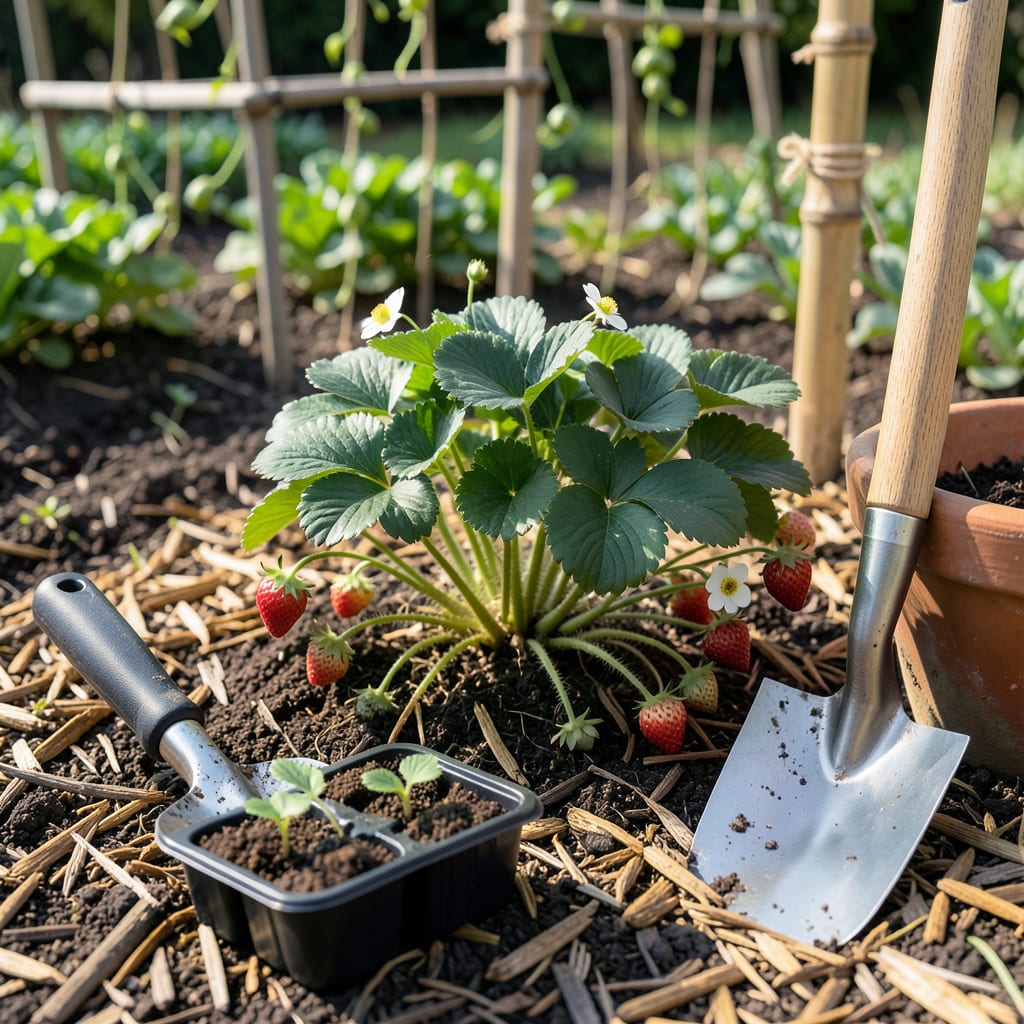
There’s nothing quite like biting into a juicy, sun-warmed strawberry you grew yourself—but in Iowa, timing is everything. Plant too early, and a late frost could wipe out your crop. Wait too long? You’ll miss the sweet spot for those plump, flavorful berries.
After years of testing what works in our Zone 5b climate, I’ve nailed down the exact window for success. Whether you’re dreaming of June harvests or want everbearing varieties that keep producing, I’ll show you how to get it right—no guesswork required.
If you’re planting June-bearing strawberries, mark your calendar for early April—right after Iowa’s last frost date (around April 15). These varieties thrive when planted early, giving them time to establish roots before summer heat. For everbearing or day-neutral types, you’ve got more flexibility.
Fall planting? It’s possible! Aim for late August to early September so roots develop before winter. Just remember: Iowa’s Zone 5b winters are harsh, so mulch heavily with straw to protect crowns. Soil temps should stay above 50°F for best results.
| Variety | Spring Planting | Fall Planting | Harvest Window |
|---|---|---|---|
| June-bearing | Early April | Late August | June (3 weeks) |
| Everbearing | Mid-April | Early Sept | June, Sept |
| Day-neutral | April-May | Sept-Oct | All summer |
*Based on Iowa State University Extension guidelines for Zone 5b.
For northern Iowa (colder pockets), delay spring planting by 1–2 weeks to avoid frost damage. Southern regions can push earlier by a week. Always check soil temperature—it’s more reliable than air temps for planting.
Pro tip: If you’re planting bare-root strawberries, soak roots in water for 30 minutes before planting. For potted plants, harden them off for 3–5 days to reduce transplant shock. Both methods need well-draining soil to prevent rot.
Mulching is non-negotiable in Iowa. Use straw (not hay) to keep berries clean and retain moisture. Avoid plastic mulch in fall—it traps too much moisture, risking crown rot during winter thaws.
Remember: Strawberries are perennials in Iowa, but productivity drops after 3–4 years. Plan to renew beds every few seasons for the best yields. And if slugs are a problem, set up beer traps early—they’ll thank you later! 🌱
Want a head start? Try low tunnels in early spring to warm soil faster. Just remove covers once temps hit 75°F to avoid overheating plants. With the right timing, you’ll be harvesting pint-sized sweetness by June! 🍓
Even experienced Iowa gardeners can stumble when planting strawberries. The biggest mistake I see? Ignoring soil testing. Iowa’s heavy clay soil often needs amending with compost or sand to hit that sweet spot of pH 5.5–6.8. 🌱
Another critical error is planting too deep. Strawberry crowns should sit just above soil level—bury them, and you’ll smother the plant. I’ve lost entire rows this way! Aim for the midpoint of the crown to be level with the soil surface.
*Fix these, and you’ll double your harvest!
Don’t forget about Japanese beetles—they skeletonize leaves overnight. I spray neem oil every 10 days in June. For birds, floating row covers work better than scarecrows in Iowa’s windy climate.
Watering mistakes wreck more strawberry patches than drought. Overhead watering invites fungal diseases like gray mold. Always use drip irrigation or soaker hoses, and water in the early morning so leaves dry quickly.
Finally, crowding plants reduces yields. Give June-bearing varieties 18 inches of space; day-neutral types can handle 12 inches. Thin runners annually to keep plants productive. Follow these fixes, and you’ll avoid the heartbreak of a failed strawberry season! 🪴
In most of Iowa (Zone 5b), aim to plant by early May to avoid summer heat stress. Northern counties should wrap up planting by late April due to shorter growing seasons.
Check soil temperature—it should stay above 50°F for at least a week before planting. Use a soil thermometer for accuracy.
Use containers at least 8–12 inches deep with drainage holes. Fill with a mix of potting soil and compost (50/50 ratio) for best results.
Place containers where they’ll get 6+ hours of sun daily. Water more frequently than in-ground plants—containers dry out faster.
Cover plants with frost blankets or old bedsheets when temps drop below 32°F. Remove covers by 10 AM to prevent overheating.
Avoid plastic—it doesn’t breathe and can damage plants. For extra protection, add a 2–3 inch layer of straw mulch around plants.
For June-bearing varieties, pinch off all flowers the first year. This directs energy to root growth, leading to bigger harvests in year two.
Everbearing and day-neutral types can produce lightly in year one—remove only 50% of flowers to balance growth and fruit.
Use clean straw (4–6 inches deep) after the first hard frost. Avoid hay—it contains weed seeds. Pine needles work too but may acidify soil over time.
Remove mulch gradually in spring when new growth appears. Leave a 1-inch layer to suppress weeds and retain moisture.
