
Beautiful Plants For Your Interior
Beautiful Plants For Your Interior
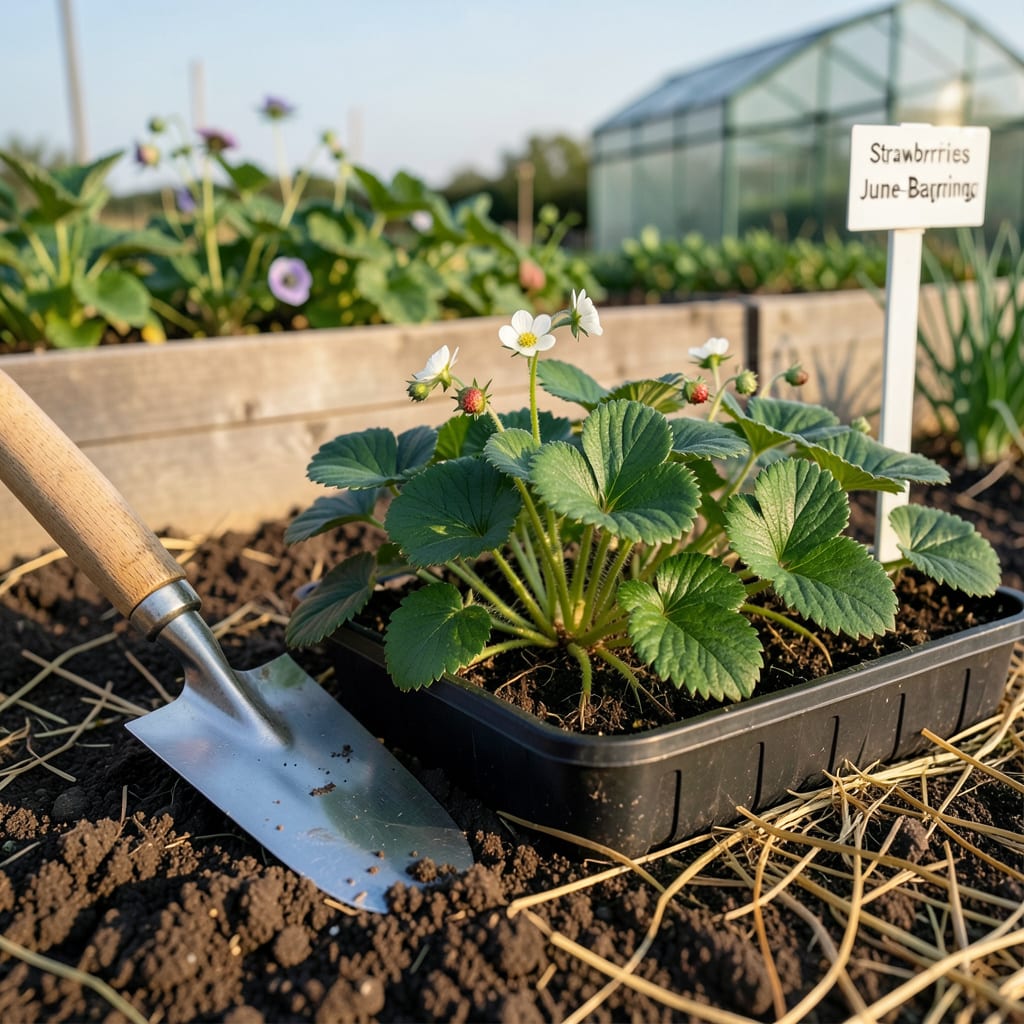
Nothing beats the taste of homegrown juicy strawberries—especially when they thrive in your Indiana garden. But timing is everything: plant too soon, and late frosts could ruin your crop; wait too long, and you’ll miss the perfect window for strong roots.
After years of testing and tweaking, I’ve nailed the ideal schedule for Indiana’s unpredictable spring weather. Whether you’re in Zone 5 or 6a, I’ll show you exactly when to get those 🍓 plants in the ground for a harvest that’ll make your neighbors jealous.
Indiana’s diverse climate zones mean strawberry planting times vary—sometimes by weeks! In Northern Indiana (Zone 5), you’ll plant later than gardeners in Southern Indiana (Zone 6). The key? Watching last frost dates and soil temps.
For June-bearing strawberries, aim for early spring (March-April) or early fall (August-September). Everbearing/day-neutral types are more forgiving but still need precise timing. Let’s break it down by region and variety.
| Region | Variety | Spring Planting | Fall Planting |
|---|---|---|---|
| Northern (Zone 5) | June-bearing | April 15–May 1 | Aug 15–Sep 1 |
| Central (Zone 5-6) | June-bearing | April 1–April 15 | Aug 10–Aug 25 |
| Southern (Zone 6) | June-bearing | March 15–March 30 | Aug 1–Aug 15 |
| All Regions | Everbearing/Day-neutral | April 1–May 15 | Aug 1–Sep 15 |
Note: Soil temp should be 50–60°F for spring planting. Fall plantings need 6+ weeks before first frost.
In Northern Indiana (near South Bend or Fort Wayne), stick to mid-April for spring planting. The soil warms slower here, and late frosts are common. I’ve seen April 20th frosts wipe out early-planted strawberries—wait until soil is workable and temps stay above 45°F.
Central Indiana (Indianapolis, Carmel) gets a 2-week head start. Aim for early April if the ground isn’t soggy. Everbearing varieties like ‘Albion’ or ‘Seascape’ can go in late March if you’re willing to risk a light frost. Always have row covers ready!
Down in Southern Indiana (Evansville, Bloomington), you’re in Zone 6—lucky you! March 15 is your magic date for June-bearing types. Fall planting here can stretch into mid-September, but avoid planting after September 20—roots need time to establish before winter.
For fall planting, timing is even trickier. The goal is 6 weeks of growth before the first frost. In Northern Indiana, that means planting by September 1. Further south? You’ve got until September 15. Mulch heavily (4–6 inches of straw) to protect crowns over winter.
Day-neutral strawberries like ‘Tristar’ are my top pick for Indiana beginners. They produce all season and handle our temperature swings better than June-bearing types. Plant them April 1–May 15 for continuous harvests from June to October. Just keep them consistently watered—drought stress kills production.
Pro tip: Check your local frost dates on the Purdue Extension website. Microclimates matter—areas near Lake Michigan (Gary, Michigan City) stay cooler longer, so adjust your schedule by 1–2 weeks. When in doubt, soil thermometers are your best friend!
Remember, bare-root plants need to go in as soon as soil is workable, while potted plants can wait a bit longer. If you’re planting in raised beds, you can start 1–2 weeks earlier—the soil warms faster. Just watch for late frosts and be ready to cover plants with frost blankets.
🌱Indiana’s climate is a patchwork of USDA Zones 5-6, meaning your strawberry planting window shifts slightly depending on where you live. In Northern Indiana (Zone 5), aim for late April after the last frost—usually around April 15. Southern gardeners (Zone 6) can start 2-3 weeks earlier.
For June-bearing strawberries, the classic choice for big harvests, spring planting (March-April) is ideal. But if you want berries all season, everbearing or day-neutral varieties thrive with a fall planting (August-September) too. Soil temps should hit 50-60°F for best root growth.
| Strawberry Type | Best Planting Time | Indiana Region | Harvest Window |
|---|---|---|---|
| June-bearing | March-April | Statewide | May-June |
| Everbearing | April or August | All zones | June-October |
| Day-neutral | April-September | Best in Zone 6 | Year-round (mild winters) |
Central Indiana gardeners—think Indianapolis—should watch the 10-day forecast before planting. A sudden late frost can wipe out tender new plants. I always keep row covers handy for those unpredictable April nights when temps dip below 32°F.
If you’re planting in fall, get those strawberries in the ground by mid-September. This gives roots time to establish before winter. Mulch heavily with straw (4-6 inches) to protect crowns from freeze-thaw cycles, which are brutal in Indiana’s clay-heavy soil.
Pro tip: Bare-root plants need a 24-hour soak before planting, while potted strawberries can go straight into the ground. Both prefer well-draining soil with a pH of 5.5-6.8. Test your soil first—Indiana’s native soil often leans alkaline.
For container gardeners, start strawberries in 12-inch-deep pots by early April. Use a soilless mix with added compost, and move pots to a sheltered spot if late frosts threaten. Containers dry out faster, so check moisture daily once temps hit 70°F.
Remember, Indiana’s microclimates matter! Lakeside areas (like Gary) stay cooler longer, so delay planting by 1-2 weeks. Urban heat islands (think Downtown Indy) may let you plant 7-10 days earlier than rural areas. 🌱
Even experienced Indiana gardeners can sabotage their strawberry harvests with avoidable errors. The biggest mistake? Ignoring microclimates. A planting date that works in Bloomington might fail in South Bend—where lake effects delay warming by 2+ weeks.
Another critical error is planting too late in fall. Strawberries need 6 weeks to establish roots before frost. In Northern Indiana, that means no later than September 1. Southern gardeners get until September 15, but pushing it risks winterkill.
Pro Tip: Day-neutral varieties like ‘Tristar’ forgive more mistakes than June-bearing types!
Overwatering in clay soil is another silent killer. Indiana’s heavy clay holds moisture, so 1 inch per week is plenty. Use a rain gauge to track natural rainfall—supplement only when needed. Drip irrigation prevents fungal diseases better than overhead sprinklers.
Many gardeners also forget to renovate June-bearing beds after harvest. After fruiting, mow leaves to 1 inch, thin plants to 6 inches apart, and fertilize with 10-10-10. Skip this, and next year’s yield drops by 50% or more.
Finally, ignoring pests like slugs and strawberry root weevils can destroy plants overnight. Lay beer traps for slugs and apply neem oil weekly for weevils. Bird netting is a must once berries ripen—Indiana’s robins and cardinals love strawberries as much as you do! 🌱
For June-bearing strawberries, don’t plant after May 1 in Northern Indiana (Zone 5). Everbearing types can go in until May 15, but yields drop if planted later. Fall plantings must wrap up by September 1 to establish roots before frost.
Summer planting isn’t ideal in Indiana’s heat, but day-neutral varieties like ‘Tristar’ can be planted in late August for a fall harvest. Avoid June-bearing types—they’ll struggle with 90°F+ temps. Mulch heavily and water daily if attempting summer planting.
Use frost blankets or row covers when temps dip below 32°F. For unexpected frosts, cover plants with straw or old blankets before sunset and remove by 10 AM. Avoid plastic—it traps cold air and can damage leaves.
Mix in 3–4 inches of compost and 1 inch of sand to improve drainage. For raised beds, use a 50/50 blend of garden soil and compost. Test pH—Indiana clay often needs sulfur to reach the ideal 5.5–6.8 range.
