
Beautiful Plants For Your Interior
Beautiful Plants For Your Interior
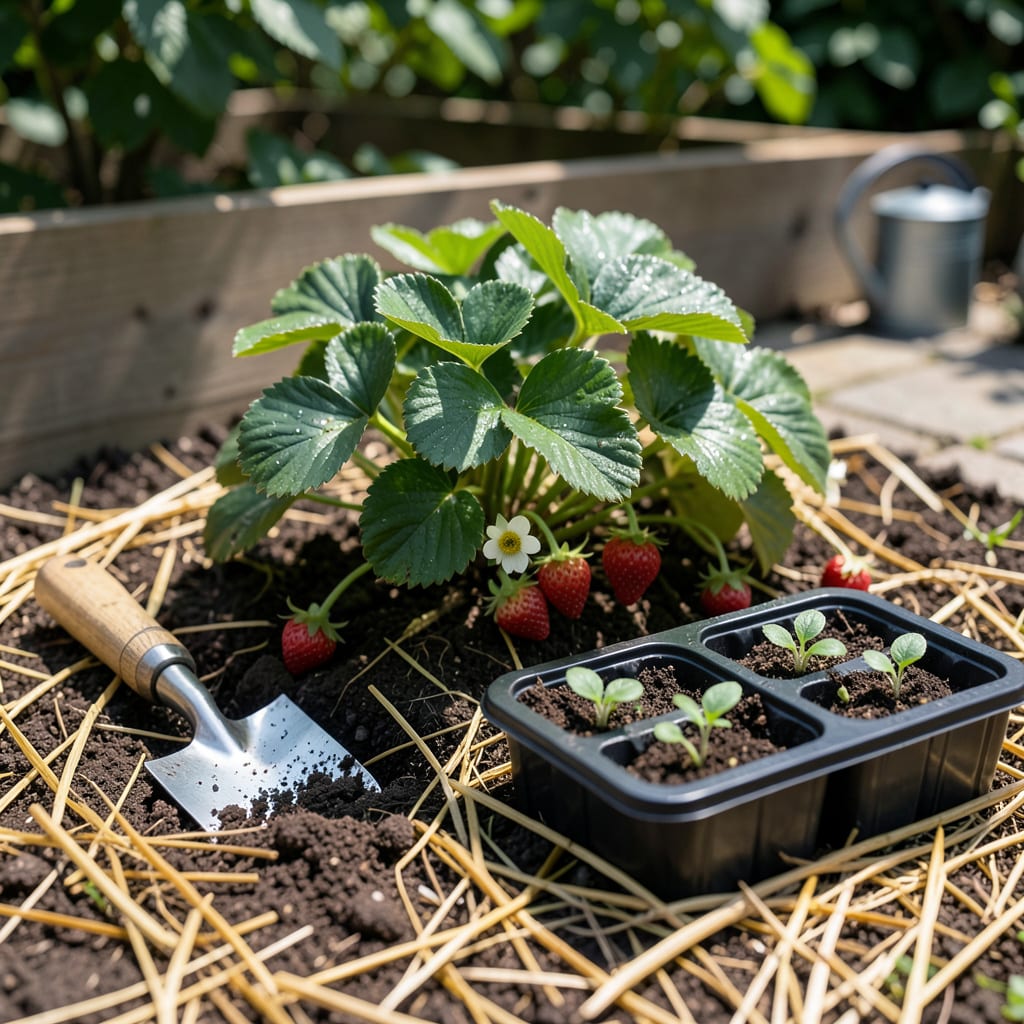
Houston’s heat and humidity can make or break your 🍓 strawberry harvest—plant at the wrong time, and you’ll end up with sad, stunted berries instead of plump, sweet rewards. The secret? Working with our Zone 9a climate, not against it.
After testing different planting windows in my own garden, I’ve found the two perfect seasons to get strawberries thriving here. Stick with me, and I’ll show you exactly when to plant for juicy harvests—plus the varieties that laugh at Houston’s summer scorchers.
Houston’s Zone 9a climate gives us a unique advantage for growing strawberries—we can plant in both fall and early spring. But timing is key. Plant too late in fall, and your plants won’t establish before winter. Plant too late in spring, and they’ll fry in Houston’s summer heatwave.
The sweet spot? September through November for fall planting and February through early March for spring. These windows avoid the extreme heat of July and August while giving plants time to root before our mild winters. Fall-planted strawberries often yield two harvests: one in late fall and another in spring.
| Planting Window | Best Months | Harvest Time | Key Notes |
|---|---|---|---|
| Fall Planting | September – November | October-November, March-May | Ideal for June-bearing varieties. Avoid late-November plantings. |
| Spring Planting | February – Early March | April – June | Best for everbearing/day-neutral. Mulch heavily to retain moisture. |
| Variety | Chandler, Camarosa | Albion, Seascape | Chandler thrives in heat; Albion resists humidity diseases. |
Pro Tip: Soak bare-root plants in lukewarm water for 20 minutes before planting to reduce transplant shock.
Fall planting is my top recommendation for Houston gardeners. Why? Our first frost date (around December 10) gives plants just enough time to establish roots before winter dormancy. By planting in September or October, you’ll get a small fall harvest, then a bigger spring yield when days lengthen.
Spring planting works too, but it’s trickier. You’ll need to plant by early March to avoid the 90°F+ temperatures that stress strawberries. I always mulch spring-planted beds with straw or pine needles to keep roots cool. Remember: Houston’s clay soil drains poorly, so amend with compost or sand before planting.
For everbearing varieties like Albion or Seascape, you can sneak in a late-August planting if you’re eager. These varieties tolerate heat better than June-bearing types. Just be ready to water daily in September’s lingering heat. I’ve had success with Albion in raised beds, where drainage is easier to control.
No matter when you plant, avoid June through August. Houston’s summer heat and humidity are brutal on strawberries. If you miss the spring window, wait for fall—it’s far more forgiving. And always choose disease-resistant varieties like Camarosa or Chandler to fight off gray mold in our humid air.
One last tip: Houston’s high humidity means fungal diseases are always lurking. Space plants 12-18 inches apart for airflow, and water at the base of plants (never overhead). I lost an entire bed to powdery mildew my first year—don’t make my mistake!
If you’re planting in containers, you’ve got more flexibility. Move pots to shadier spots in summer and protect them during rare freezes. I’ve grown strawberries in 5-gallon buckets with great success—just drill drainage holes and use a well-draining potting mix.
Ready to plant? Grab your bare-root strawberries from a local nursery (I love Houston Garden Centers for healthy stock) and get them in the ground during those ideal windows. With the right timing, you’ll be snacking on homegrown strawberries by Thanksgiving and Easter!
Even with perfect timing, Houston gardeners often sabotage their strawberry harvests with avoidable errors. The biggest culprit? Ignoring our clay soil. Strawberries despise soggy roots, yet our native soil holds water like a sponge. Without amending with compost or sand, you’re setting plants up for root rot.
Another common blunder: misjudging frost dates. While Houston rarely sees hard freezes, our December 10 first frost can still damage tender crowns. I’ve seen gardeners lose entire beds by planting bare-root strawberries in late November—too late for root establishment before dormancy.
Quick Fix: Raise beds 6-8 inches to improve drainage in clay soil.
The third mistake is choosing the wrong variety for our climate. June-bearing strawberries like ‘Chandler’ produce one big harvest but wilt in Houston’s summers. Instead, I recommend everbearing ‘Albion’ or day-neutral ‘Seascape’—both handle heat and humidity while producing berries from fall to spring.
Watering errors wreck havoc too. Many gardeners overwater in summer, thinking more is better. Strawberries need consistent moisture, not soggy soil. Aim for 1-2 inches weekly, watering at the base in mornings. Drip irrigation works best—it keeps leaves dry, reducing powdery mildew risk.
Here’s a mistake I made my first year: planting in full sun without shade cloth. Houston’s afternoon sun can scorch leaves, especially in September. Now I use 30% shade cloth from 2-5 PM during establishment. It’s a game-changer for transplant survival.
Finally, don’t forget mulching—but use the right material. Pine straw works better than hay in Houston because it doesn’t compact as easily in our humid conditions. Apply a 2-inch layer after planting to retain moisture and suppress weeds. Replace it every 6 months as it breaks down.
If you’re growing in containers, the rules change slightly. The mistake here is using regular garden soil, which compacts in pots. Always use a well-draining potting mix with perlite. And remember: container strawberries dry out faster, so check moisture daily in summer.
Not all strawberries can handle Houston’s sweltering summers and sticky humidity. After testing dozens of varieties in my garden, I’ve found the top performers that actually thrive here. The secret? Choosing cultivars bred for heat tolerance and disease resistance.
For Houston gardeners, I recommend focusing on everbearing and day-neutral varieties. These produce berries in multiple flushes throughout our long growing season, unlike June-bearing types that give one harvest and then struggle in our heat.
Pros: Heat-tolerant, disease-resistant, sweet flavor
Cons: Smaller berries, needs consistent water
Pros: High yields, handles humidity, long harvest season
Cons: Berries soften quickly in heat
Pros: Large berries, classic flavor, widely available
Cons: Struggles in extreme heat
Local Tip: Find Albion and Seascape at Houston Garden Centers or Urban Harvest farmers markets.
My personal favorite is Albion—it’s the most heat-resistant variety I’ve grown. Even in 95°F weather, Albion keeps producing sweet, firm berries. The plants stay compact, making them perfect for containers or small spaces. I’ve had Albion plants live for 3+ years in my garden!
If you want biggest berries, try Chandler. But be warned: this June-bearing variety needs extra care in Houston. Plant it in fall only, and provide afternoon shade once temperatures climb. I’ve found Chandler does best in raised beds with excellent drainage.
For organic gardeners, Seascape is a star. It resists gray mold and powdery mildew—two big problems in our humid climate. The berries are slightly tart, perfect for jams. Just harvest frequently, as Seascape berries soften quickly in heat. I pick mine every 2-3 days during peak season.
No matter which variety you choose, remember: Houston’s clay soil is tough on strawberries. Always amend with compost and plant in mounded rows for better drainage. And don’t forget to renew beds every 2-3 years—strawberry production declines after that.
Fall planting (September-November) is ideal for Houston. Plants establish roots before winter, then produce two harvests: one in late fall and another in spring. Spring planting (February-March) works but requires extra care to avoid summer heat stress.
Use 5-gallon containers with drainage holes and well-draining potting mix. Containers let you move plants to shade during peak summer heat. Water daily in summer, as containers dry out faster than ground beds.
Space plants 18 inches apart for airflow and water at the base (never overhead). Use pine straw mulch instead of hay—it resists compaction in humidity. Consider fungicide sprays if gray mold appears.
Albion and Seascape are top choices—they’re heat-tolerant and disease-resistant. For larger berries, try Chandler but plant in fall and provide afternoon shade. All varieties need well-draining soil.
Water every 2-3 days in summer (daily during heatwaves) and every 4-5 days in fall/spring. Aim for 1-2 inches weekly, always watering in the morning to prevent fungal growth.
