
Beautiful Plants For Your Interior
Beautiful Plants For Your Interior
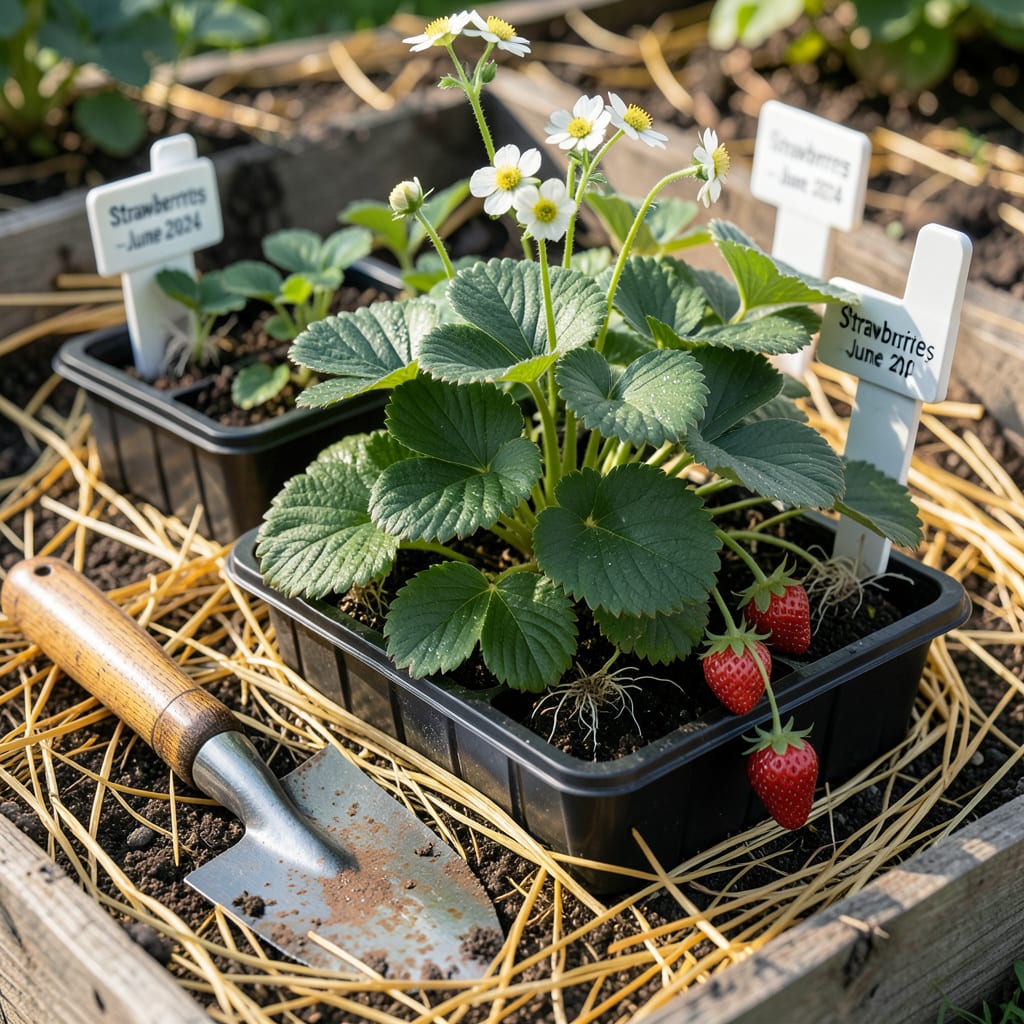
Timing your strawberry planting in Colorado can mean the difference between a bountiful harvest and a disappointing one. Our state’s dramatic elevation changes and unpredictable frosts make nailing that perfect window critical—especially when you’re dreaming of those juicy, sun-ripened 🍓 berries.
Whether you’re gardening along the Front Range or up in the High Country, I’ll break down the exact dates for your zone. You’ll also learn which varieties thrive here and how to protect your plants from Colorado’s notorious temperature swings. Let’s get your patch started right.
If you’ve ever dreamed of picking sun-ripened strawberries straight from your Colorado garden, timing is your secret weapon. Colorado’s diverse USDA zones (3-7) mean planting dates vary wildly—what works in Denver (Zone 5) could spell disaster in Aspen (Zone 3). Get it right, and you’ll enjoy sweet harvests for years. 🌱
Here’s the golden rule: Spring planting (after the last frost) is ideal for most zones, but fall planting (6-8 weeks before the first frost) can work in milder areas. I’ll break down the exact windows so you can avoid the heartbreak of frost-killed plants or stunted growth. ☀️
| USDA Zone | Regions | Spring Planting | Fall Planting | Last Frost Date |
|---|---|---|---|---|
| Zone 3 | High Country (Aspen, Steamboat) | Late May–June | Not recommended | June 1–15 |
| Zone 4 | Mountain Towns (Vail, Breckenridge) | Mid-May | Late August | May 15–30 |
| Zone 5 | Front Range (Denver, Boulder) | April 15–May 1 | Early September | April 15 |
| Zone 6 | Eastern Plains (Fort Collins, Greeley) | Early April | Mid-September | April 1 |
| Zone 7 | Western Slope (Grand Junction) | Late March | Early October | March 15 |
Note: Adjust dates by 1-2 weeks for microclimates (e.g., urban heat islands or sheltered valleys).
In Zone 3 (High Country), you’re playing a short-season game. Stick to June-bearing varieties like ‘Honeoye’ or ‘Kent’, and plant as soon as the soil thaws—usually late May. These areas often need row covers or cold frames to extend the season. 🌡️
Zone 5 (Front Range) gardeners have more flexibility. I recommend everbearing types like ‘Albion’ or ‘Seascape’ for multiple harvests. Plant in mid-April, and you’ll get berries by early summer. Fall planting here can work if you mulch heavily before winter. 🪴
Down in Zone 7 (Western Slope), you can push the envelope. Try day-neutral varieties such as ‘Tristar’ for continuous fruit. Plant in late March, and with proper drip irrigation, you’ll harvest until first frost. Just watch for heat stress in peak summer. ☀️
Soil prep is non-negotiable. Colorado’s clay-heavy soil needs amending with compost and sand for drainage. Aim for a pH of 5.5–6.8—test with a kit from your local CSU Extension office. Mix in aged manure a few weeks before planting to boost fertility. ✂️
For bare-root plants, soak roots in lukewarm water for 30 minutes before planting. Dig holes wide enough to spread roots, and set the crown above soil level to prevent rot. Space plants 12–18 inches apart in rows 3 feet apart. Water deeply after planting, then mulch with straw to retain moisture. 💧
Pro tip: If you’re in a windy area (looking at you, Eastern Plains), use windbreaks or plant near a fence. Strawberries hate drying winds, and mulch will help. For high-altitude gardens, consider raised beds—they warm faster in spring and drain better. 🌬️
Still unsure? Check the CSU Extension’s frost date calculator or ask your local nursery for hyper-local advice. Remember, Colorado weather is unpredictable—always have
Not all strawberries are created equal—especially in Colorado’s finicky climate. Choosing the right variety can mean the difference between a trickle of berries and a bountiful harvest. Let’s break down the three main types and which ones thrive where you live. 🌱
If you’re in the High Country (Zone 3-4), your short growing season demands June-bearing varieties. These plants produce one massive harvest in early summer, perfect for areas where frost can strike as late as June 15. They’re cold-hardy and reliable. ☀️
| Variety Type | Best For | Harvest Window | Planting Time | Yield Potential |
|---|---|---|---|---|
| June-Bearing | Short seasons, high altitudes | 2-3 weeks in early summer | Spring only | Large single harvest |
| Everbearing | Front Range, urban gardens | Spring, summer, fall | Spring or early fall | Moderate, multiple flushes |
| Day-Neutral | Western Slope, long seasons | Continuous until frost | Spring or fall | Steady small harvests |
Top Picks: ‘Honeoye’ (June), ‘Albion’ (Everbearing), ‘Tristar’ (Day-Neutral)
For Front Range gardeners (Zone 5), everbearing varieties like ‘Albion’ or ‘Seascape’ are my top picks. They produce two to three harvests per season—perfect for our longer growing window. Plant in spring for summer berries, or try a fall planting with heavy mulch. 🪴
If you’re lucky enough to garden on the Western Slope (Zone 7), day-neutral varieties like ‘Tristar’ or ‘Tribute’ will give you berries all season. These plants ignore day length and fruit continuously until frost. Plant in late March and keep soil moist for best results. 💧
June-bearing strawberries like ‘Chandler’ or ‘Jewel’ are ideal for high-altitude gardens (Zones 3-4). They focus energy on one big harvest, which is perfect when your season is only 90-120 days. Pair them with row covers to protect blossoms from late frosts. 🌡️
No matter the variety, soil prep is key. Colorado’s alkaline clay needs amending with compost and peat moss to reach that sweet spot pH (5.5–6.8). I mix in 1 inch of compost and ½ inch of sand before planting to improve drainage and fertility. ✂️
Remember: Day-neutral strawberries need consistent watering—drip irrigation works best. Everbearing types benefit from light fertilizer after each harvest. And June-bearing plants? Give them full sun and space to spread (18 inches apart) for those giant berries. 🌻
Even experienced gardeners can sabotage their strawberry crop with simple oversights. Colorado’s unpredictable weather and unique soil challenges make it easy to stumble. Let me save you from the heartache of wilted plants or tiny, sour berries with these must-know pitfalls. 🌱
First up: ignoring your frost dates. I’ve seen too many gardeners plant too early in Zone 5, only to lose tender plants to a late April freeze. Always check your last frost date—Denver’s average is May 5, but higher elevations can be weeks later. ☀️
Skipping soil testing is another costly error. Colorado’s soil often leans alkaline (pH 7.5+), but strawberries crave slightly acidic (5.5–6.8). Grab a $10 test kit from your local nursery. If your pH is off, mix in sulfur or peat moss before planting. ✂️
Watering inconsistently leads to small, bitter berries. Our low humidity and intense sun dry out soil fast. I use drip irrigation on a timer for morning watering—this prevents foliar diseases while keeping roots happy. Aim for moist but not soggy soil. 💧
Finally, ignoring winter care can kill your patch. Even in Zone 7, strawberries need 4–6 inches of mulch (straw or leaves) to survive freezing temps. In Zone 3, add row covers over mulch for extra protection. Come spring, rake back mulch gradually to avoid crown rot. 🌡️
Remember: Colorado’s temperature swings can fool you. A warm February doesn’t mean spring has arrived! Wait until soil temps hit 50°F before planting. When in doubt, call your CSU Extension office—they’ve got hyper-local advice tailored to your zip code. 📋
For Denver (Zone 5), aim for mid-April to early May after the last frost (typically April 15). This gives plants time to establish before summer heat. Fall planting? Try early September with heavy mulch for winter protection.
but timing is tighter! In Zones 3-4 (Aspen, Steamboat), plant late May to June when soil warms. Stick to June-bearing varieties like ‘Honeoye’ and use row covers to guard against late frosts.
Use 4–6 inches of straw mulch around plants, and keep row covers handy for sudden cold snaps. In Zone 3, add a cold frame for extra security. Always check the 10-day forecast before planting!
In Zone 7 (Grand Junction), day-neutral types like ‘Tristar’ produce continuously until frost. Plant in late March, and you’ll enjoy berries all season with proper drip irrigation and afternoon shade.
Skipping soil prep! Colorado’s clay-heavy soil needs compost and sand for drainage. Test pH (aim for 5.5–6.8) and amend before planting. Without this, roots suffocate, and yields plummet.
