
Beautiful Plants For Your Interior
Beautiful Plants For Your Interior
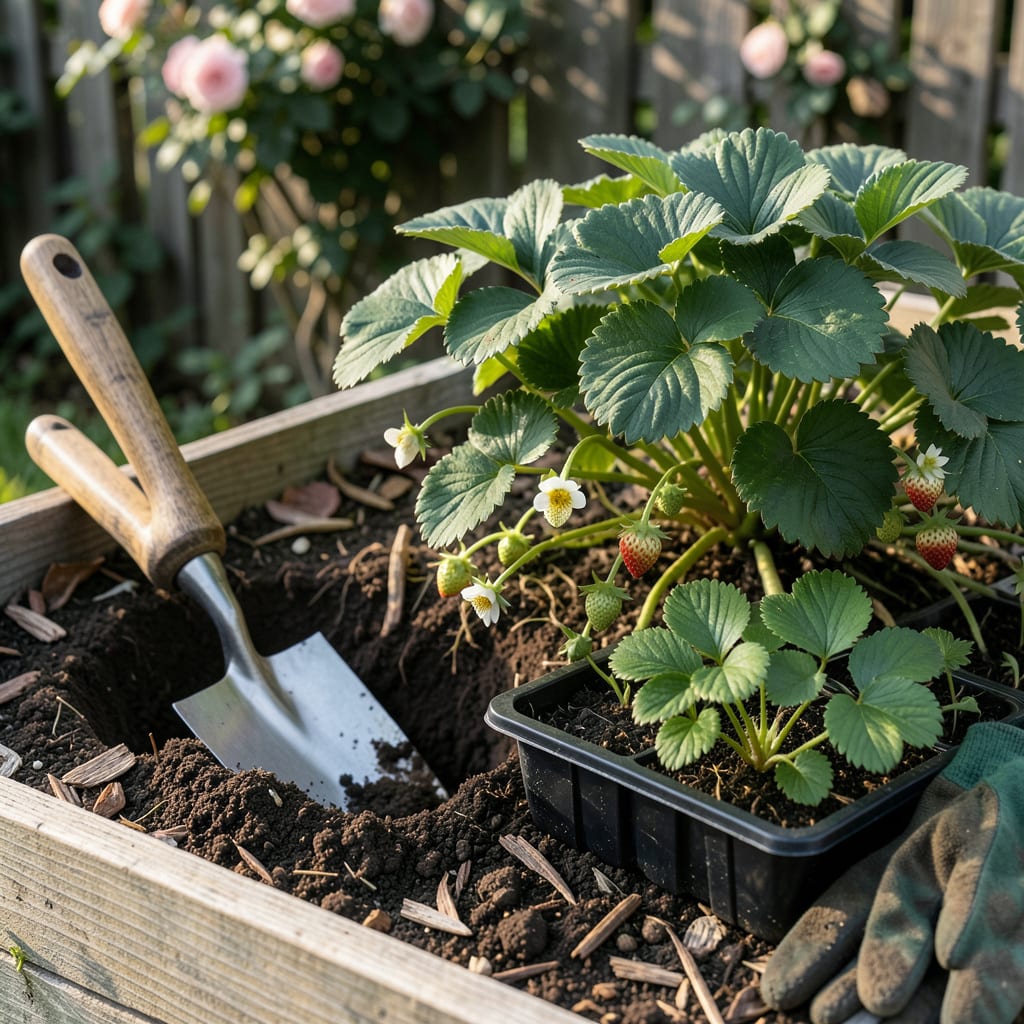
Dreaming of plump, sun-sweetened strawberries straight from your garden? In California, timing isn’t just important—it’s everything. Plant too late, and you’ll battle summer heat; too early, and frost might steal your harvest.
After years of testing (and a few failed attempts!), I’ve cracked the code for juicy success. Whether you’re in foggy San Francisco or sunny San Diego, I’ll show you exactly when to get those 🍓 plants in the ground for a harvest that’ll make your neighbors jealous.
California’s diverse microclimates mean strawberry planting times vary dramatically by region. In foggy coastal areas like San Francisco, fall planting (October–November) gives roots time to establish before winter. Meanwhile, inland valleys and desert regions often need spring planting (February–March) to avoid frost.
The secret? Watch your soil temperature—strawberries thrive when soil hits 50°F–60°F. Coastal gardeners get a head start with milder winters, while desert growers must avoid scorching summer heat. Let’s break down the ideal windows for your zone.
| Region | Ideal Months | Key Consideration |
|---|---|---|
| Coastal (SF, LA) | Oct–Nov | Mild winters allow fall root growth |
| Central Valley | Feb–Mar | Avoid winter frosts and summer heat |
| Desert (Palm Springs) | Jan–Feb | Plant early to beat 100°F+ summers |
*Adjust ±2 weeks based on local frost dates
In coastal areas, I’ve found October plantings yield the sweetest berries by spring. The cool, moist air prevents stress, and plants establish roots before winter dormancy. Just be sure to mulch heavily (2–3 inches of straw) to protect crowns from unexpected chills.
For inland gardeners, patience pays off. Wait until soil warms to 55°F in late February or early March. A soil thermometer is your best friend here—don’t trust air temps alone! If you’re in the Central Valley, watch for late frosts (common through mid-March) and keep row covers handy.
Desert regions like Coachella Valley demand early action. Plant by mid-January to harvest before temperatures soar. I use shade cloth (30–40% density) to shield plants from afternoon sun, which can scorch leaves and stunt fruit. Drip irrigation is non-negotiable here—consistent moisture prevents bitter berries.
No matter your zone, bare-root plants (like ‘Seascape’ or ‘Chandler’) outperform potted starts. Soak roots for 1 hour before planting, and trim any damaged growth. Space plants 12–18 inches apart in rows 3 feet wide for airflow—this cuts down on gray mold, a common California strawberry killer.
Pro tip: Check your local frost dates using the Almanac’s tool. In Sacramento, our last frost is typically February 15, but microclimates vary. If you’re near the coast, you might escape frost entirely—lucky you!
Remember, strawberries are perennials in most of California (USDA zones 8–10). With proper care, your patch can produce for 3–5 years. Renew beds every 3 years by replacing the oldest plants to maintain vigor. And yes, birds love them too—net your plants as soon as berries start ripening!
Still unsure? Test your soil! Strawberries crave slightly acidic soil (pH 5.5–6.5). Grab a $10 test kit from your local nursery. If your pH is off, amend with sulfur (to lower) or lime (to raise) before planting. This one step can double your harvest.
Now that you’ve got the timing down, let’s talk varieties. Not all strawberries thrive equally across California’s climates—some burn in heat, others rot in humidity. Up next, I’ll reveal the best types for your region and why they outperform the rest. 🍓
Not all strawberries are created equal—especially in California’s diverse climates. The wrong variety can mean tiny yields or bitter berries. Let me break down the three main types and which thrive where you live.
Coastal gardeners, rejoice! Everbearing varieties like ‘Seascape’ produce two to three harvests per year, perfect for your mild winters and long growing season. Inland? June-bearing types like ‘Chandler’ deliver one massive crop—ideal for Central Valley heat.
| Variety | Type | Best For | Harvest Time |
|---|---|---|---|
| Seascape | Everbearing | Coastal areas | Spring, summer, fall |
| Chandler | June-bearing | Central Valley | Late spring |
| Albion | Day-neutral | Desert regions | Year-round |
*Plant bare-root for best results
For desert gardeners, day-neutral varieties like ‘Albion’ are game-changers. They produce consistent fruit even in heat, though you’ll need shade cloth and drip irrigation to keep them happy. I’ve seen ‘Albion’ thrive in Palm Springs with just 4 hours of afternoon shade.
June-bearing strawberries (like ‘Camarosa’) are high-yielding but need cool winters to set fruit. That’s why they’re perfect for the Sacramento area—plant in February, and you’ll get a single, massive harvest in May. Just be ready to net the plants—birds adore ‘Camarosa’!
Everbearing types (e.g., ‘Quinault’) are my top pick for container gardening. They’re compact and produce multiple flushes of berries. I grow mine in 5-gallon buckets on my patio—just
Want disease resistance? ‘Seascape’ and ‘Albion’ are your best bets. They shrug off verticillium wilt and powdery mildew, two common California strawberry killers. Pair them with well-draining soil (amend with compost and perlite), and you’ll cut fungal issues by 90%.
Pro tip: Buy bare-root plants from reputable nurseries like Dave Wilson or Peaceful Valley. They’re cheaper and establish faster than potted starts. Soak roots for 1 hour before planting, and snip any damaged growth to redirect energy.
Still undecided? Try a mixed bed! Plant June-bearing for a big spring harvest and everbearing for summer snacks. In my garden, I dedicate one-third of my strawberry patch to each type—this way, I get berries from April through October. Just rotate varieties every 3 years to prevent soil-borne diseases. 🌱
Even with perfect timing, small errors can ruin your strawberry harvest. After helping dozens of California gardeners troubleshoot their patches, I’ve seen the same five mistakes repeat—often with devastating results. Let’s fix them before you plant!
The biggest culprit? Planting in summer heat. Strawberries hate temps above 85°F—their roots stall, and fruit turns bitter. Coastal gardeners get a pass, but inland growers must use shade cloth if planting after May. Trust me, I learned this the hard way after losing an entire bed in Bakersfield.
*Fix these, and you’ll double your yield!
Another silent killer: clay-heavy soil. Strawberries drown in compacted earth, leading to root rot. The fix? Amend beds with 50% compost and 20% perlite before planting. I use a raised bed mix of 60% topsoil, 30% compost, and 10% sand—my plants thank me with plump, sweet berries.
Here’s a mistake even experienced gardeners make: using potted starts instead of bare-root plants. Potted strawberries often suffer transplant shock, while bare-root varieties establish 30% faster. Order from Dave Wilson Nursery or Peaceful Valley—their ‘Seascape’ and ‘Albion’ are California-tested winners.
Don’t forget the bird battle! In my first year, I lost half my crop to robins. Now, I drape lightweight netting over plants as soon as berries form. Secure edges with garden staples to keep critters out. Bonus: netting also deters squirrels and raccoons, which are strawberry bandits in urban areas.
Finally, fertilizer timing matters. Feed at planting with a balanced 10-10-10, then switch to low-nitrogen (5-10-10) once flowering starts. Over-fertilizing causes leafy growth but few berries. I use fish emulsion every 4 weeks—it’s gentle and boosts fruit sweetness. Always water before and after fertilizing to avoid burning roots. 🌱
For coastal areas like Los Angeles or San Diego, aim for October–November. The mild winters let plants establish roots before spring growth. Inland regions (e.g., Riverside) should wait until February–March to avoid frost damage. Always check soil temps—50°F–60°F is ideal.
It’s risky! Summer heat above 85°F stresses plants and reduces fruit quality. If you must, use shade cloth (30–40%) and drip irrigation. Coastal gardeners have more flexibility, but inland growers should wait for cooler fall temps.
Space plants 12–18 inches apart in rows 3 feet wide. This ensures airflow, reducing gray mold—a common issue in humid coastal areas. For containers, use one plant per 5-gallon pot. Crowding leads to smaller berries and disease.
Yes! In drought-prone areas, plant 1–2 weeks earlier than usual to establish roots before water restrictions. Use drip irrigation and mulch (2–3 inches) to retain moisture. Desert gardeners should prioritize day-neutral varieties like ‘Albion’ for consistent yields.
This usually means too much nitrogen or poor pollination. Switch to a low-nitrogen fertilizer (5-10-10) once flowers appear. If growing in containers, hand-pollinate with a soft brush. Also, ensure plants get 6+ hours of sun daily.
