
Beautiful Plants For Your Interior
Beautiful Plants For Your Interior
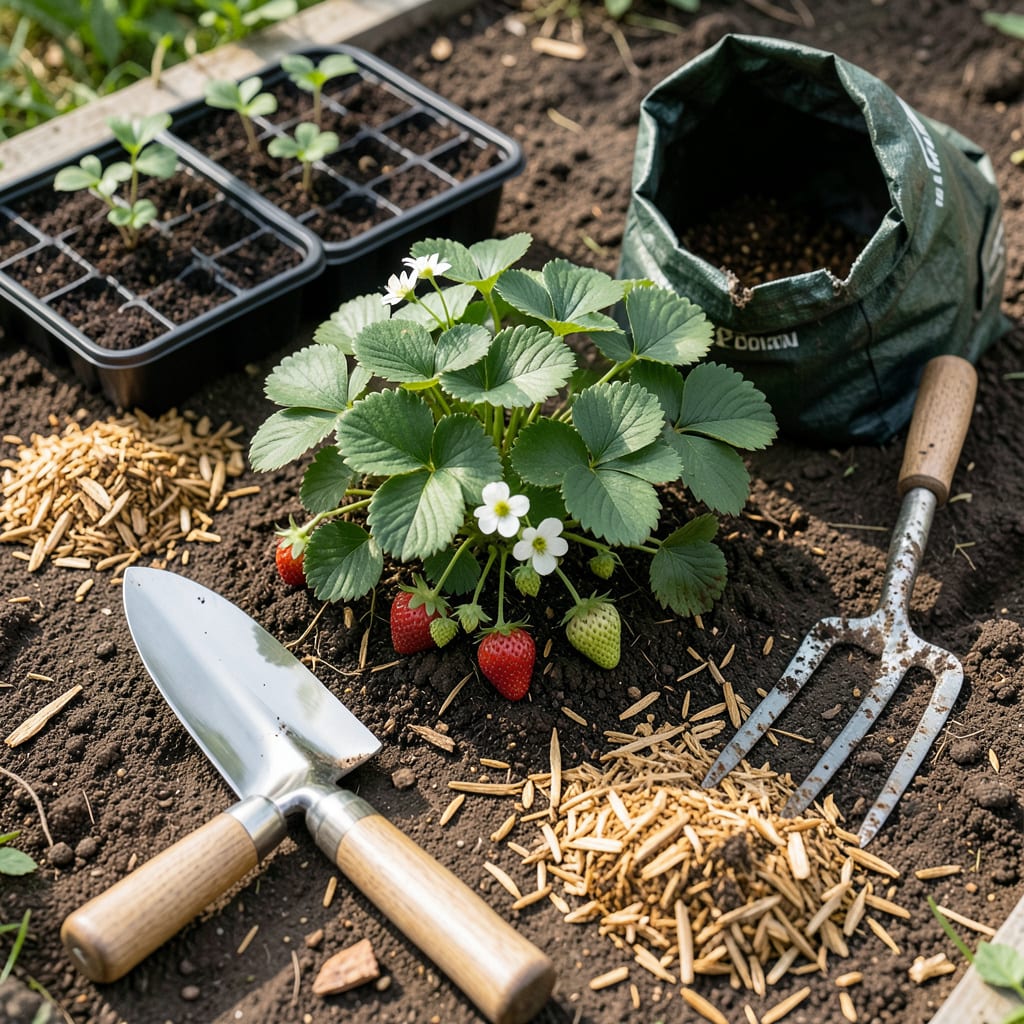
Timing can make or break your strawberry harvest in Arkansas. Plant too early, and a late frost might wipe out your young plants. Wait too long, and the scorching summer heat could leave you with small, bitter berries instead of those juicy, sun-ripened gems we all crave.
After years of testing what works in our Zone 7b climate, I’ve nailed down the perfect planting windows—and the simple tricks to protect your crop. Whether you’re dreaming of spring strawberries or a fall head start, here’s how to get it right the first time.
Arkansas’s three distinct climate zones mean planting times vary from the cooler Northwest to the warmer South. In Zone 6b (Northwest), aim for late March to early April—after the last frost but before summer heat arrives.
Further south in Zones 7b-8a, you can push planting to early March or even late February in mild winters. Fall planting? September to early October works statewide for stronger roots and earlier spring harvests. Let’s break it down by region.
| Region | USDA Zone | Spring Planting | Fall Planting | Notes |
|---|---|---|---|---|
| Northwest | 6b | Late March–April | Sept 15–Oct 10 | Watch for late frosts; use row covers. |
| Central | 7a-7b | Early–Mid March | Sept 1–Oct 15 | Ideal for everbearing varieties like Ozark Beauty. |
| South | 8a | Late February–March | Sept 1–Oct 20 | Earlier planting avoids summer heat stress. |
💡 Pro Tip: Fall-planted strawberries often yield 20% more fruit the following spring!
For June-bearing strawberries (like Chandler), spring planting is classic—but you’ll wait a full year for harvest. Everbearing (Ozark Beauty) or day-neutral (Albion) varieties let you sneak in a fall harvest if planted by early September.
Soil temperature is your secret weapon. Use a soil thermometer to confirm 50–55°F at 4″ depth before planting. Too cold? Roots stall. Too hot? Plants struggle to establish. In Arkansas, this sweet spot typically hits in mid-March for most regions.
Frost dates are your other guide. Northwest Arkansas (Zone 6b) averages a last frost around April 15, while Southern zones (8a) often see it by March 20. Always plant 2–3 weeks after your local frost date for safety.
Fall planting shines in Arkansas because our mild winters let roots grow steadily. Aim for 6 weeks before first frost (around November 1 in Little Rock) so plants establish without winter shock. Mulch with 4–6″ of straw to protect crowns.
If you’re tempted to plant in summer, resist! Arkansas’s 90°F+ temps stress young plants. Instead, start seeds indoors in July for fall transplants, or tuck bare-root plants into the fridge until cooler weather arrives.
For container growers, timing flexes slightly—you can start 2–3 weeks earlier in pots since soil warms faster. Just watch for frost and move containers to shelter. Pair with a drip irrigation system to keep moisture consistent during our unpredictable spring rains.
Remember: Arkansas’s humidity loves fungal diseases. Space plants 18″ apart for airflow, and water at the base (never overhead) to keep foliage dry. A 3″ layer of pine straw mulch suppresses weeds and locks in moisture without smothering plants.
Still unsure? Check your county extension office for hyper-local frost dates, or use a soil thermometer to take the guesswork out. With the right timing, you’ll be picking plump, sun-ripened berries by late May—just in time for Arkansas’s famous summer heat! ☀️
Even the most experienced gardeners can trip up when planting strawberries in Arkansas. The biggest mistake I see? Ignoring microclimates. A low-lying area might stay 5°F colder than a slope, turning your plants into frost magnets. Always scout your yard first.
Another common blunder is skipping the soil test. Arkansas soils often lean acidic, but strawberries need a pH of 5.5–6.5. Grab a $10 test kit—it’ll save you from stunted plants and sad harvests. Trust me, I learned this the hard way after my first patch barely produced.
Fix it fast: Move plants to higher ground, test soil annually, and mulch immediately after planting.
Here’s one that surprises folks: planting too deep. Strawberry crowns should sit half above soil. Bury them, and they’ll rot. Leave them exposed, and they’ll dry out. I use a pencil to mark the perfect depth—just cover the roots, not the crown.
Don’t overlook mulching timing either. Spread straw after planting but before temperatures spike. This keeps soil 10°F cooler in summer and prevents muddy berries during spring rains. Pine straw works great—it’s affordable and breaks down slowly.
Finally, watering inconsistently stresses plants. Aim for 1–1.5 inches weekly, using drip irrigation to avoid wetting leaves (which invites disease). I set a reminder on my phone until it becomes habit—your future harvest will thank you.
Remember, Arkansas’s humidity means fungal diseases lurk everywhere. Space plants 18 inches apart for airflow, and remove old leaves promptly. A little prevention now means buckets of berries later—without the heartache of lost plants.
Not all strawberries handle Arkansas’s sweltering summers and humid springs equally. After testing dozens of varieties in my Little Rock garden, I’ve found the top performers that laugh at our heat waves and keep producing when others wilt.
For classic June-bearing types, Chandler dominates with its giant, sweet berries—perfect if you want a single massive harvest. But if you crave all-season snacks, day-neutral Albion keeps pumping out fruit from spring to fall, even when temps hit 95°F.
| Variety | Type | Heat Tolerance | Disease Resistance | Best For |
|---|---|---|---|---|
| Chandler | June-bearing | Moderate | Good | Single large harvest |
| Albion | Day-neutral | Excellent | Very High | All-season production |
| Ozark Beauty | Everbearing | High | High | Spring & fall crops |
💡 Pro Tip: Albion thrives in containers—perfect for patios!
For container gardeners, Seascape is my secret weapon. This day-neutral variety stays compact and produces heavy yields in pots. I’ve grown it successfully on my sunny balcony using a self-watering container to combat our dry spells.
If disease resistance tops your list, Camarosa fights off gray mold and powdery mildew—common Arkansas foes. Its berries are slightly tart, ideal for jams. For organic growers, Sweet Charlie resists pests naturally and ripens 2 weeks earlier than Chandler.
Remember: Arkansas’s clay-heavy soils can drown roots. Amend beds with 3 inches of compost before planting, and consider raised beds if drainage is poor. Pair heat-tolerant varieties with afternoon shade cloth in July/August to extend production.
Want bigger berries? Thin runners in early summer to direct energy to fruit. I use scissors to snip excess runners—it feels counterintuitive but doubles berry size. And always renew beds every 3 years; Arkansas’s intense seasons wear plants out faster.
Fall planting often yields stronger plants and earlier harvests. In Arkansas, aim for September to early October so roots establish before winter. Fall-planted strawberries can produce 20% more fruit the following spring compared to spring-planted ones.
Use row covers or straw mulch to shield plants when temps drop below 32°F. In Northwest Arkansas (Zone 6b), keep covers handy until mid-April. Remove covers during the day to prevent overheating and allow pollination.
Strawberries thrive when soil reaches 50–55°F at 4″ depth. In most of Arkansas, this occurs in mid-March. Use a soil thermometer to check—planting in colder soil stalls root growth, while warmer soil can stress young plants.
Containers let you start 2–3 weeks earlier since soil warms faster. Choose day-neutral varieties like Albion or Seascape, and use self-watering pots to combat summer heat. Move containers to shelter during frost warnings.
Aim for 1–1.5 inches weekly, keeping soil consistently moist but not soggy. Use drip irrigation to avoid wetting leaves, which invites disease. In Arkansas’s summer heat, you may need to water every 2–3 days for established plants.
