
Beautiful Plants For Your Interior
Beautiful Plants For Your Interior
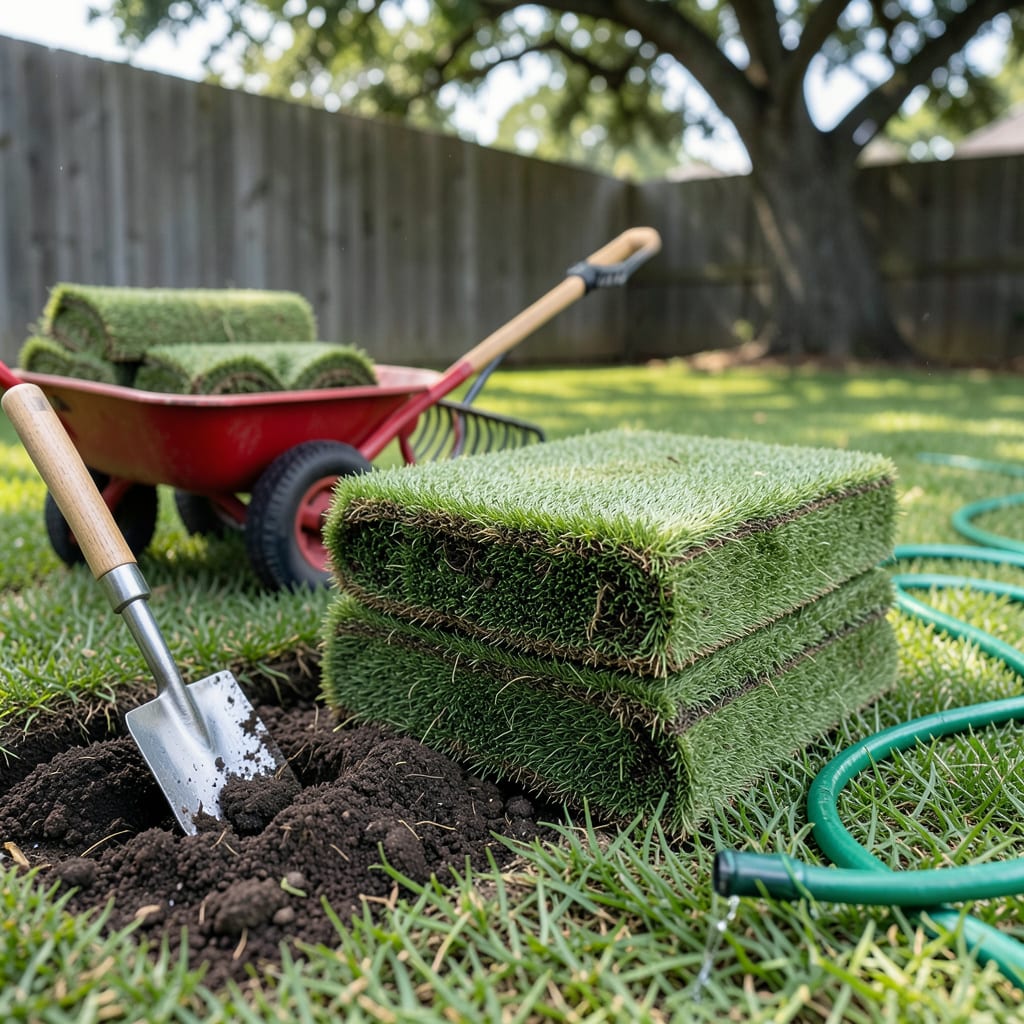
Timing isn’t just important when planting St. Augustine sod in Texas—it’s the difference between a lush, drought-resistant lawn and a patchy, struggling mess. I’ve seen too many homeowners waste money and effort by planting at the wrong time, only to watch their investment wither in the brutal Texas heat.
Here’s the good news: with the right schedule, you can establish a thick, vibrant lawn that thrives year-round. Let me break down the exact months to plant for your specific Texas region, plus the critical prep steps most guides overlook. Your dream lawn starts with this timing.
If you’re dreaming of a lush, green lawn in Texas, St. Augustine sod is your best bet—but timing is critical. This warm-season grass thrives in heat but struggles with extreme cold or drought. Plant too early, and late frosts can damage tender roots. Wait too late, and summer’s scorching temps will stress your new sod.
Texas spans multiple climate zones, so the ideal planting window varies. Generally, you’ll want to aim for late spring (April-May) or early fall (September-October). These months offer warm soil and mild air temperatures, perfect for root establishment. But let’s break it down by region—because what works in Houston’s humidity won’t fly in El Paso’s desert climate.
| Texas Region | Ideal Planting Months | Temperature Range (°F) | Key Considerations | Avoid These Months |
|---|---|---|---|---|
| North Texas (Dallas, Fort Worth) | April 15–May 30 September 1–October 15 |
60–85°F | Watch for late frosts in spring; fall planting avoids summer drought. | June–August, December–February |
| Central Texas (Austin, San Antonio) | March 20–June 1 September 10–October 30 |
65–90°F | Clay soil drains poorly—amend with compost. Water deeply 3x/week post-planting. | July–August, November–January |
| Gulf Coast (Houston, Corpus Christi) | March 1–June 15 August 15–November 1 |
70–95°F | High humidity = fungal risk. Use fungicide preventatively. Sandy soil drains fast—mulch to retain moisture. | July–August (heat stress), December–February (rare frosts) |
| West Texas (El Paso, Lubbock) | April 10–May 20 September 20–October 10 |
55–90°F | Low rainfall. Install drip irrigation before planting. Shade cloth helps in peak summer. | June–August (extreme heat), November–March (cold snaps) |
In North Texas, I always recommend erring on the side of fall planting. The soil stays warm longer than the air, giving roots a head start before winter dormancy. Plus, you’ll avoid the June–August heatwave that can fry new sod. For Central Texas, spring is often better—just be ready to water religiously if May turns dry.
The Gulf Coast’s extended growing season is a double-edged sword. You can plant earlier, but humidity and storms increase disease pressure. I’ve seen entire lawns lost to brown patch fungus after a wet June. If you plant in late summer, monitor for chinch bugs—they love St. Augustine and thrive in August heat.
Out in West Texas, water is your biggest challenge. Drip irrigation is non-negotiable—sprinklers lose too much to evaporation. If you’re planting in fall, aim for early October. Late plantings risk freeze damage before roots establish. Pro tip: Lay 2 inches of mulch over the sod to lock in moisture.
No matter your region, soil prep is 50% of the battle. Test your soil’s pH—St. Augustine prefers 6.0–7.5. Till in 3–4 inches of compost to improve drainage (critical for clay) or water retention (key for sand). And never skip the starter fertilizer! A 16-4-8 NPK ratio gives roots the phosphorus boost they need.
If you’re tempted to plant in summer, don’t. Even with extra watering, the stress on new sod is too high. I’ve seen lawns installed in July turn crispy within weeks. The exception? If you must plant in heat, choose a shade-tolerant variety like ‘Palmetto’ and keep it consistently moist (not soggy!) for 3 weeks.
For fall plantings, timing is everything. Plant at least 6 weeks before your first frost so roots establish before dormancy. In Houston, that might mean
Planting St. Augustine sod in Texas can feel like a high-stakes gamble—one wrong move and your lawn could end up patchy, diseased, or dead. I’ve seen even experienced gardeners make costly errors that turn their sod investment into a brown, crunchy mess. Let’s tackle the top 5 mistakes that’ll ruin your lawn before it even gets started.
The first blunder? Skipping soil prep. St. Augustine needs well-draining, nutrient-rich soil to thrive. If you lay sod directly over compacted clay or hardpan, roots won’t penetrate, and your grass will struggle to establish. Always till in 2–3 inches of compost and check your soil’s pH—this grass prefers 6.0–7.5. A quick soil test from your local Texas A&M AgriLife Extension office can save you headaches later.
Planting during peak summer (June–August) is a recipe for disaster. New sod can’t handle 100°F+ temperatures without established roots. If you must plant in heat, water 3x daily for the first 2 weeks and use shade cloth to reduce stress.
Another common mistake is underwatering—or overwatering. New sod needs 1–1.5 inches of water per week, split into short, frequent sessions (e.g., 10–15 minutes, 2–3 times daily for the first week). But soggy soil invites fungal diseases like brown patch. Use a rain gauge to track moisture, and adjust based on your region. In Houston’s humidity, less is often more. In West Texas, you might need to water more frequently due to fast evaporation.
Ignoring shade requirements is another lawn killer. While St. Augustine tolerates partial shade, varieties like ‘Floratam’ need 6+ hours of sun daily. Planting it under dense trees or on north-facing slopes leads to thin, weak grass. If your yard is shady, opt for ‘Palmetto’ or ‘Seville’, which handle low light better. And don’t forget: mow high (3–4 inches) to encourage deeper roots and shade out weeds.
Using low-quality sod is a mistake you’ll regret for years. Cheap sod often contains weeds, diseases, or weak grass that struggles to establish. Always buy from a reputable Texas sod farm—ask for certified, disease-free St. Augustine. Look for bright green color, dense thatch, and no bare spots. If the sod feels spongy or has a sour smell, it’s already stressed. Pro tip: Lay sod within 24 hours of delivery to prevent drying out.
Finally, many Texas gardeners forget about post-planting care. After installation, avoid walking on the sod for 2 weeks to let roots knit into the soil. Hold off on fertilizer until 4–6 weeks in—new sod needs to focus on root growth, not leaf production. And never mow until the grass is 3–4 inches tall; cutting too soon shocks the system. In Central Texas, watch for grubs in late summer—they’ll chew roots before you even see damage.
If you sidestep these mistakes, your St. Augustine sod will reward you with a thick, drought-resistant lawn that laughs at Texas heat. But if you’re planting in fall, here’s a bonus tip: Apply a winterizer fertilizer (high in potassium) in late October to strengthen roots before dormancy. Your lawn will green up faster next spring! 🌱
When establishing a St. Augustine lawn in Texas, you’ve got three options: sod, plugs, or seed. Each has pros and cons, but in our scorching climate, speed and resilience matter most. Let me break down which method wins for Texas gardeners—and why sod is usually the smartest choice.
Sod gives you an instant lawn with mature grass that’s ready to handle Texas heat within weeks. Plugs are a budget-friendly middle ground, while seed is rarely used for St. Augustine (it’s finicky to germinate). But the real question is: Which establishes fastest in our clay soils and brutal summers?
| Method | Time to Full Lawn | Cost per 1,000 sq ft | Best for Texas Because… | Maintenance Level |
|---|---|---|---|---|
| Sod | 2–3 weeks | $150–$300 | Instant heat tolerance; roots establish in warm soil. | Moderate |
| Plugs | 6–12 months | $50–$100 | Budget-friendly; good for small areas or repairs. | High |
| Seed | 12+ months | $20–$50 | Rarely successful; poor germination in heat. | Very High |
For most Texas lawns, sod is the clear winner. It establishes in 2–3 weeks with proper watering, while plugs take 6–12 months to fill in. Seed? Forget it—St. Augustine seed has notoriously low germination rates in our climate. I’ve seen homeowners waste years trying to grow it from seed, only to end up replanting with sod anyway.
If you’re on a tight budget, plugs can work—but they require patience. Space them 12–18 inches apart in a grid pattern, and keep the area consistently moist (not soggy) for months. In Central Texas, plugs struggle in clay soil unless you amend with compost. For sandy Gulf Coast soils, plugs dry out fast, so mulch heavily after planting.
No matter which method you choose, timing is still critical. Plant sod or plugs in spring (April–May) or fall (September–October) for best results. Avoid summer installations unless you’re prepared to water 3x daily and use shade cloth. And always test your soil first—St. Augustine thrives in pH 6.0–7.5 with good drainage. 🌱
Planting in June–August is risky due to extreme heat. New sod struggles to establish roots when temperatures exceed 95°F. If you must, water 3x daily and use shade cloth to reduce stress.
Under ideal conditions, roots establish in 2–3 weeks. Keep soil consistently moist (not soggy) during this period. In clay-heavy regions, rooting may take slightly longer due to poor drainage.
For partial shade, choose ‘Palmetto’ or ‘Seville’. These varieties tolerate 4–6 hours of sunlight daily. Avoid ‘Floratam’—it needs full sun and struggles in shady spots.
Water 2–3 times daily for the first week (10–15 minutes per session). Gradually reduce to 1–1.5 inches weekly once roots establish. Adjust based on rainfall and soil type.
