
Beautiful Plants For Your Interior
Beautiful Plants For Your Interior
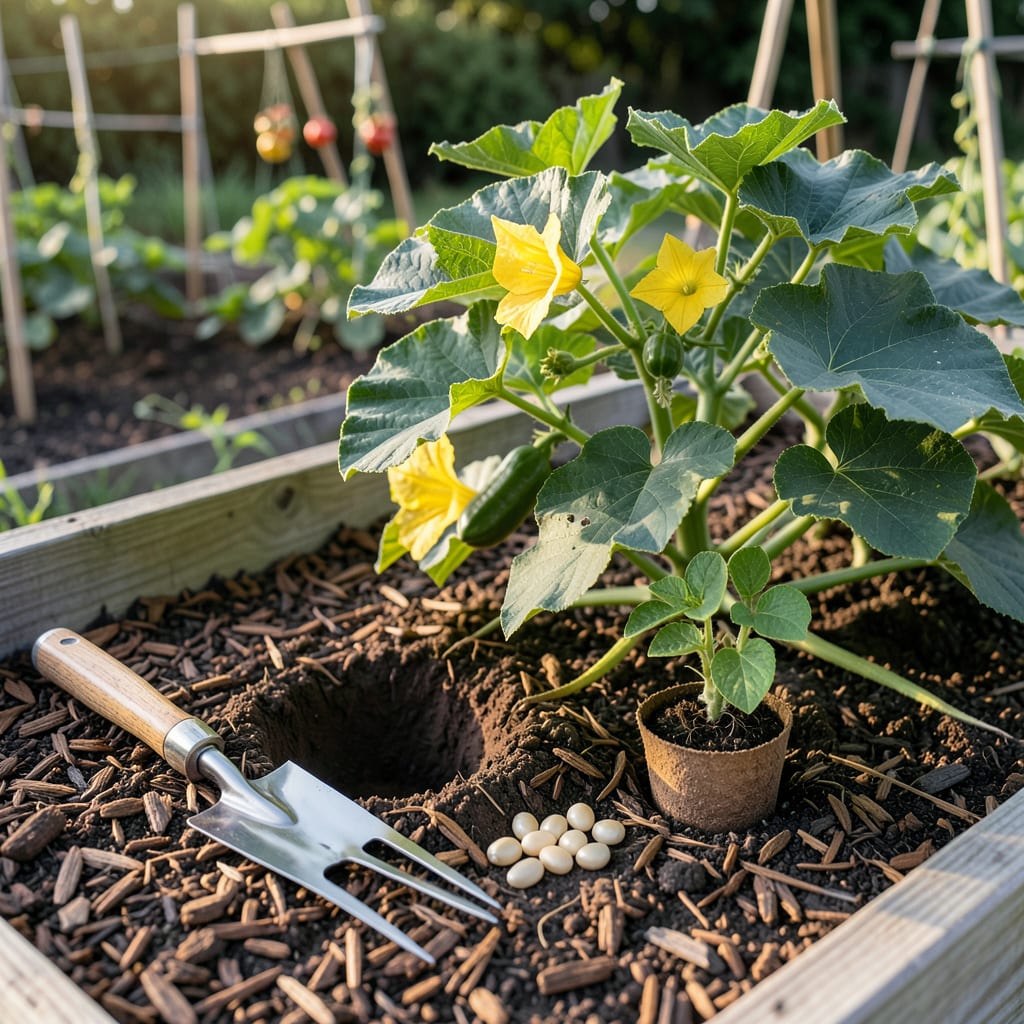
Timing your squash planting in Virginia can mean the difference between a bountiful harvest and a disappointing flop. Plant too early, and late frosts wipe out seedlings; wait too long, and summer heat stunts growth before fruit sets.
Whether you’re in the Piedmont’s rolling hills or the Coastal Plain’s warmer zones, I’ll break down the exact windows for both summer and winter varieties. You’ll learn how to work with Virginia’s USDA zones 7a-8a, from soil prep to frost dates, so your 🎃 squash thrives all season.
If you’re growing squash in Virginia, timing is everything. The Old Dominion’s diverse climate means your planting window varies dramatically between the Piedmont region and the Coastal Plain. I’ve found that even a two-week difference can make or break your harvest.
Virginia’s USDA zones 6a-8a give us a long growing season, but frost dates are key. In the Piedmont (like Richmond or Charlottesville), our last frost typically hits around April 15. Down in the Coastal Plain (Norfolk, Virginia Beach), you’re usually safe by April 1.
| Region | Spring Planting | Fall Planting | Soil Temp | Varieties |
|---|---|---|---|---|
| Piedmont | April 20 – May 10 | July 15 – Aug 1 | 60°F+ | Zucchini, Yellow Crookneck |
| Coastal Plain | April 5 – April 25 | July 25 – Aug 10 | 65°F+ | Butternut, Acorn |
| Mountain | May 1 – May 20 | July 1 – July 15 | 60°F+ | Spaghetti, Delicata |
For summer squash like zucchini, I always aim for soil temperatures above 60°F. A simple soil thermometer is my best friend here. If you’re in the Coastal Plain, your warmer soils mean you can plant 2-3 weeks earlier than Piedmont gardeners.
Winter squash varieties like butternut need even warmer soil—65°F minimum. I’ve had great success using black plastic mulch to warm the soil faster in early spring. Just lay it down 2-3 weeks before planting.
Don’t forget about fall planting! For a second harvest, I plant in mid-July for Piedmont and late July for Coastal areas. The key is counting backward from your first frost date (around October 15 for most of VA).
Microclimates matter too. Urban areas like Arlington often run 5-10°F warmer than rural spots. I’ve noticed my city garden lets me plant 1-2 weeks earlier than friends in the countryside. Always check your local weather station data!
For container gardeners, you can start even earlier since pots warm up faster. Just be ready to protect seedlings if a late frost threatens. I keep old blankets handy for this exact reason.
Remember that vining squash like pumpkins need 4-6 feet of space, while bush varieties fit nicely in 2-3 foot patches. I always mark my planting spots with flags to visualize the space before sowing.
Last tip: succession planting works wonders in Virginia. I plant a new batch every 3-4 weeks until mid-summer for continuous harvests. This way, I’m never overwhelmed with too much squash at once!
Whether you’re in Northern Virginia or the Eastern Shore, the golden rule is simple: warm soil + no frost = perfect planting time. Grab that thermometer and get growing! 🌱
Even experienced gardeners can sabotage their Virginia squash crop with simple oversights. I’ve seen firsthand how these five common mistakes can ruin an entire season’s harvest. Let’s tackle them head-on so your squash thrives from the Piedmont to the coast.
The biggest error? Ignoring soil temperature. Many gardeners plant by calendar dates alone, but squash seeds rot in cold soil. I always check with a soil thermometer—wait for consistent 60°F+ readings before planting summer varieties, 65°F+ for winter types.
Another frequent issue is poor variety selection. Not all squash thrive equally across Virginia. In hotter Coastal areas, I recommend heat-tolerant ‘Yellow Crookneck’ or ‘Straightneck’. For Piedmont’s cooler springs, ‘Early Prolific Straightneck’ performs well. Always check the days to maturity—shorter seasons (60-70 days) work best for fall plantings.
Over-fertilizing is a silent yield killer. While squash are heavy feeders, too much nitrogen produces lush vines with few fruits. I use a balanced fertilizer at planting, then switch to low-nitrogen, high-phosphorus (5-10-10) when flowers appear. A light side-dressing every 3-4 weeks keeps plants productive without overdoing it.
Don’t overlook pollination problems either. Squash rely on bees, and Virginia’s early summer rains can wash away pollen. I plant pollinator-friendly flowers like borage nearby and avoid pesticides during flowering. If bees are scarce, I hand-pollinate using a small paintbrush—just transfer pollen from male to female flowers in the morning.
Finally, rotating crops prevents soil-borne diseases that plague Virginia gardens. I never plant squash in the same spot two years running. A 3-year rotation with unrelated crops (like beans or corn) breaks pest and disease cycles. Container gardeners should refresh their potting mix annually for the same reason.
By avoiding these pitfalls, you’ll set your Virginia squash up for success. Remember: healthy plants start with proper timing, good soil, and consistent care. Now grab your gardening gloves and get planting—your future zucchini bread (or butternut soup) will thank you! 🪴
Want squash from July through October? Mastering succession planting is your secret weapon. In Virginia’s long growing season, you can enjoy multiple harvests by staggering plantings every 3-4 weeks. I’ve perfected this timing after years of trial and error in my Piedmont garden.
Start your first planting 2-3 weeks after last frost—that’s around April 20-30 for most of Virginia. For Coastal Plain gardeners, you can begin April 10-20 thanks to warmer soils. I always plant bush varieties like zucchini first since they mature faster (45-55 days).
For non-stop squash, follow this Virginia-tested schedule:
Use fast-maturing varieties (50-60 days) for later plantings!
For your second planting around May 15-25, switch to vining varieties like butternut or acorn squash. These need more space but store well for winter. I love ‘Waltham Butternut’ for its disease resistance—perfect for Virginia’s humid summers.
Your third planting in mid-June should focus on heat-tolerant varieties. Try ‘Yellow Crookneck’ or ‘Straightneck’—they handle Virginia’s July heat waves better than zucchini. Water deeply during this period, as establishing plants in summer heat requires extra moisture.
Don’t forget the fall planting! For winter squash, plant by July 15-25 to ensure maturity before frost. I count backward from October 15 (average first frost) and add 90-100 days for varieties like ‘Hubbard’ or ‘Delicata’. Use row covers if nights dip below 50°F in September.
Container gardeners can extend the season even further. I keep 5-gallon buckets of bush varieties on my patio, moving them to sunnier spots as the season progresses. Just ensure containers have drainage holes and use a lightweight potting mix with added compost for best results.
Coastal Virginia’s warmer climate lets you plant 2-3 weeks earlier than inland areas. Aim for April 5-20 after confirming soil temps hit 60°F+. Use black plastic mulch to warm soil faster if needed.
Keep frost blankets or old bedsheets handy for unexpected cold snaps. For containers, move plants indoors overnight. In-ground plants benefit from cloches or milk jugs with bottoms cut off. Always remove covers by mid-morning.
Choose bush varieties like ‘Patio Star’ zucchini. Use 5-gallon containers with drainage holes and quality potting mix. Place in full sun (6+ hours) and water daily in summer heat.
Plant nasturtiums as trap crops and wrap stems with aluminum foil at base. Apply diatomaceous earth weekly. For organic control, use yellow sticky traps to catch adult moths before they lay eggs.
Plant winter squash by July 15 in Piedmont regions. Count backward from October 15 (avg first frost) and add 90-100 days for your variety. Use row covers if September nights dip below 50°F.
