
Beautiful Plants For Your Interior
Beautiful Plants For Your Interior
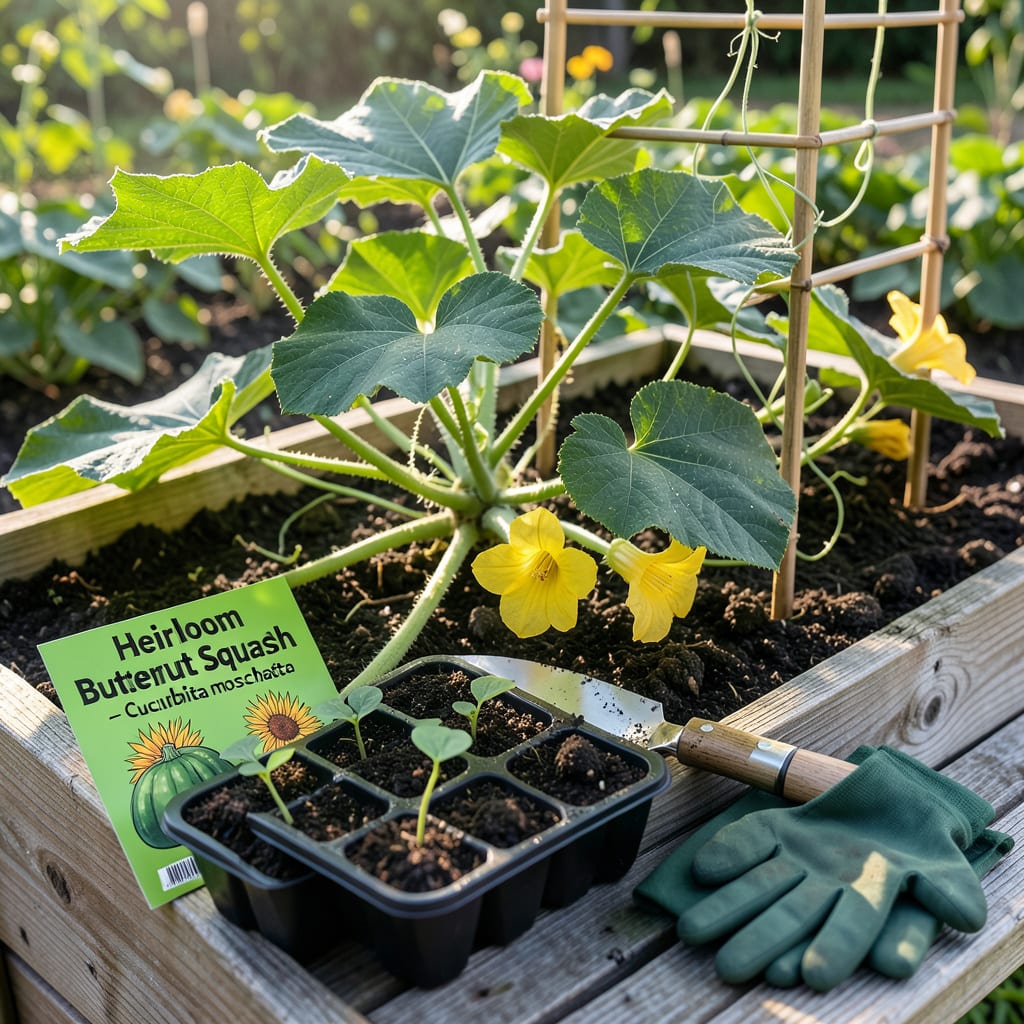
Texas gardeners know the struggle: plant your squash too early, and a late frost might wipe out your crop. Wait too long, and the scorching summer heat could fry your vines before they even bear fruit. The difference between a bountiful harvest and a disappointing season often comes down to just a few weeks.
After years of testing and tweaking, I’ve nailed down the perfect planting windows for squash across Texas—whether you’re in the Panhandle or the Gulf Coast. Let’s break down exactly when to get those seeds in the ground for a harvest that’ll keep your kitchen stocked all season.
Texas isn’t just big—it’s climatically diverse, with planting windows that shift dramatically from Amarillo to Houston. The key to squash success lies in understanding your local frost dates and soil temperatures. North Texas gardeners face shorter seasons, while South Texas can plant nearly year-round.
For summer squash like zucchini, aim for soil temps above 60°F. Winter squash and pumpkins need slightly warmer conditions (65°F+). Let’s break down the ideal timing by region—because what works in Dallas might flop in El Paso.
| Region | Spring Planting | Fall Planting | Frost-Free Days | Best Varieties |
|---|---|---|---|---|
| North Texas (Amarillo, Lubbock) |
April 15-May 15 (After last frost) |
July 15-Aug 1 (90 days before frost) |
160-180 | Early Black Beauty, Straightneck |
| Central Texas (Austin, San Antonio) |
March 15-April 15 (Soil warms early) |
Aug 1-Sept 1 (Heat breaks in Oct) |
200-220 | Heat-loving Cushaw, Tatume |
| South Texas (Houston, Corpus) |
Feb 15-March 30 (Early start possible) |
Sept 1-Oct 15 (Mild winters help) |
240-280 | Disease-resistant Zucchini Elite, Butternut |
| West Texas (El Paso, Midland) |
March 20-April 10 (Low humidity helps) |
July 20-Aug 10 (Monsoon rains aid) |
190-210 | Drought-tolerant Pattypan, Acorn |
In North Texas, I’ve found that pushing the envelope before April 15 often backfires. That late frost in early April? It’s come for my squash more times than I’d like to admit. Wait until soil hits 60°F at 4″ depth—this usually aligns with redbud trees blooming.
Central Texas gardeners get a 2-3 week head start thanks to milder winters. But watch out: our clay soils warm slower than sandy soils. I always cover my planting beds with black plastic for 2 weeks beforehand to speed up warming. This trick can buy you an extra week of growing time.
Down in South Texas, the game changes entirely. You can plant as early as mid-February, but the real challenge is beating the summer heat. I switch to shade cloth by June—30% shade keeps plants productive when temps hit 95°F+. Fall plantings often outperform spring ones here.
For winter squash and pumpkins, add 2-3 weeks to these windows. They need more time to mature. I always mark my calendar for July 4th—that’s when I sow my second crop of butternut squash in Central Texas for a Halloween harvest.
The soil temperature sweet spot is 70-85°F for fastest germination. In hotter regions, afternoon planting helps seeds avoid baking. I’ve had best results planting in late afternoon, then watering gently to settle the soil. This prevents crusting that can block emerging seedlings.
Don’t forget about succession planting! In most of Texas, you can get 2-3 squash crops per year. I plant my first zucchini in early spring, then again in late summer for a fall harvest. The key is timing it so fruits mature before the first frost—or before summer heat shuts down production.
Remember: these dates are guidelines, not rules. Last year, a late cold snap in Dallas pushed my planting back to May 1. Always check your local weather forecast and soil temps. When in doubt, wait an extra week—squash grows fast once conditions are right!
🌱Getting squash to thrive in Texas isn’t just about timing—it’s about working with our extreme climate. After years of battling squash bugs and 100°F heatwaves, I’ve developed these game-changing strategies to keep plants producing longer.
The secret? Succession planting and smart heat management. In Central Texas, I stagger plantings every 3-4 weeks from early spring through late summer. This ensures a steady supply instead of one overwhelming glut. Let’s dive into the techniques that’ll transform your squash patch.
My biggest mistake was ignoring soil preparation in Texas’s tough conditions. Now I double-dig beds in fall, mixing in 3 inches of compost and expanded shale to improve drainage in our heavy clay.
For container gardeners, choose bush varieties like ‘Eight Ball’ zucchini. Use 10-gallon containers with drainage holes and water twice daily in summer. I’ve grown prize-winning squash on my Austin patio using this method with self-watering pots.
The heat shutdown trick that saved my harvest: when temps hit 95°F+, I spray plants with cool water at 3 PM. This temporary cooldown lets pollination happen. My butternut squash production doubled after I started this practice.
Remember that fall squash often tastes sweeter than spring crops. In South Texas, I plant ‘Waltham Butternut’ in late August for Thanksgiving harvests. The cooler nights concentrate sugars beautifully. 🌱
Not all squash can handle Texas’s blazing summers and unpredictable weather. After testing dozens of varieties, I’ve found the heat-tolerant champions that thrive where others wilt. The key is choosing varieties with short days-to-harvest and built-in disease resistance.
For summer squash, look for bush types that mature in 50-60 days. Winter squash needs more time but rewards with longer storage. Let me share my top performers that consistently outproduce in Texas gardens, from the Panhandle to the Coast.
| Variety | Type | Days to Harvest | Heat Tolerance | Best For |
|---|---|---|---|---|
| Straightneck | Summer | 48-52 | High | North/Central Texas |
| Zucchini Elite | Summer | 45-50 | Very High | South Texas humidity |
| Cushaw Green-Striped | Winter | 100-110 | Excellent | Drought-prone areas |
| Tatume | Summer | 50-55 | Exceptional | Container growing |
| Waltham Butternut | Winter | 85-100 | Good | Fall planting |
In North Texas, I swear by ‘Straightneck’ for its early production and resistance to powdery mildew. It handles those late spring cold snaps better than most. For Central Texas, ‘Tatume’ is my secret weapon—it keeps producing when others melt in July heat.
South Texas gardeners should try ‘Zucchini Elite’—it’s bred for humidity resistance and virus tolerance. I’ve seen it thrive when other varieties succumb to squash mosaic virus. The plants stay compact too, perfect for small spaces.
For winter squash, ‘Cushaw Green-Striped’ is the Texas superstar. It laughs at drought and stores for 6+ months. I plant it in early July for Halloween harvests. The vines spread 10-15 feet, so give it room or train it up a trellis.
Don’t overlook heirloom varieties like ‘Texas Gourd’ pumpkins. They’re not just decorative—they’re edible and thrive in our heat. I grow them on cattle panel arches to save space. Their deep roots make them more drought-tolerant than standard pumpkins.
🌱Squash seeds need soil temps above 60°F to germinate properly. For winter varieties, aim for 65°F+. Use a soil thermometer at 4″ depth—this is more reliable than air temperature.
Plant 90-100 days before your first frost date. In Central Texas, that’s typically August 1-September 1. Fall squash often tastes sweeter due to cooler nights.
Cover seedlings with frost blankets or plastic jugs with bottoms removed. Remove covers by 10 AM to prevent overheating. In North Texas, keep covers handy until mid-April.
‘Zucchini Elite’ and ‘Tatume’ thrive in extreme heat. For winter squash, ‘Cushaw Green-Striped’ laughs at drought. These varieties mature faster, beating the worst summer heat.
