
Beautiful Plants For Your Interior
Beautiful Plants For Your Interior
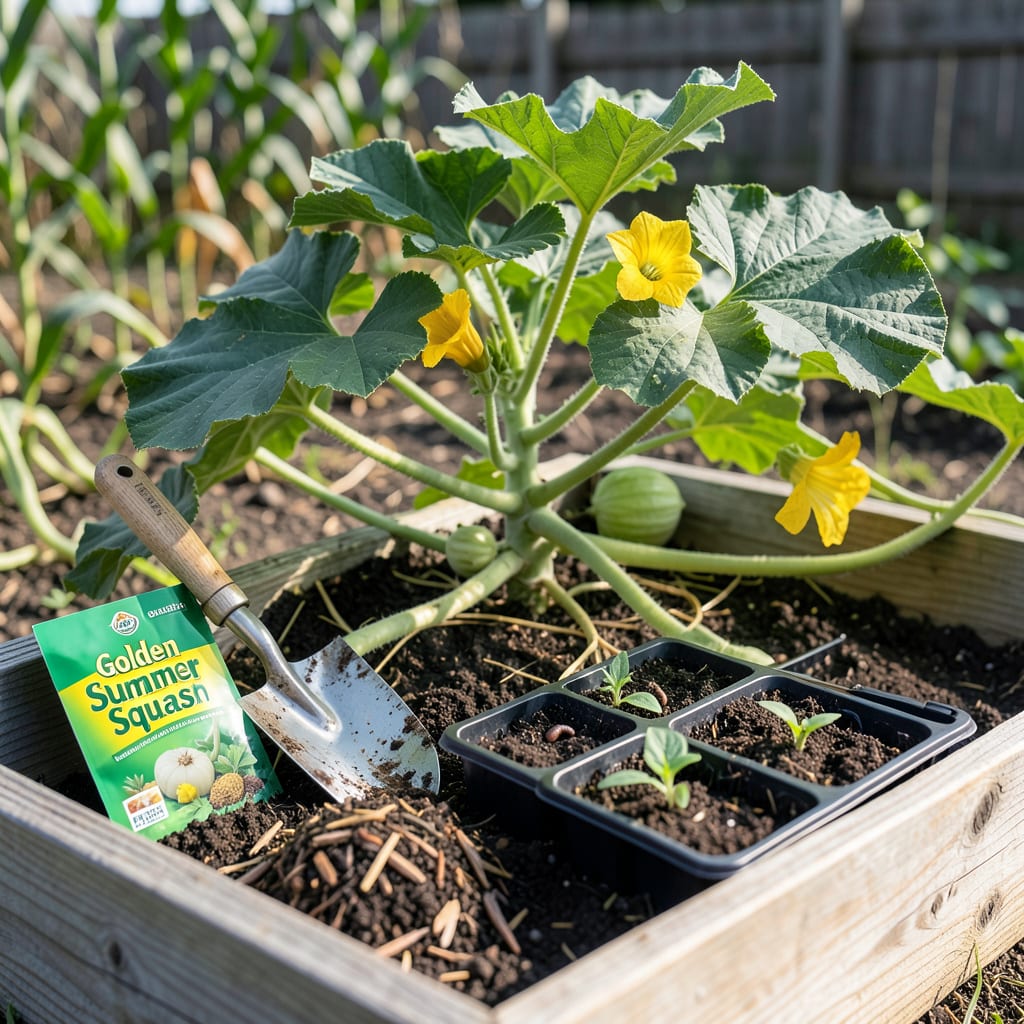
Oklahoma’s wild weather swings can turn squash planting into a guessing game—plant too soon and frost might wipe out your seedlings, wait too long and the summer heat will fry them. I’ve seen gardeners lose entire crops because they missed that perfect 2-week window in spring.
The good news? With the right timing, you can grow bushels of zucchini, butternut, or pumpkins without the stress. Let’s break down the exact dates for your zone—whether you’re in Tulsa’s Zone 7 or Oklahoma City’s Zone 6b—so you get it right the first time. No more wasted seeds or sad vines.
Oklahoma’s diverse USDA zones (6a-8a) mean your squash planting dates can vary by 2-3 weeks depending on where you live. In Zone 6a (like Enid or Woodward), you’ll need to wait until mid-April after the last frost. But in Zone 8a (southern areas near Ardmore), you can start as early as late March. 🌱
The key is soil temperature—squash seeds won’t germinate well if the soil is below 60°F. I always use a soil thermometer to check before planting. For summer squash (like zucchini or yellow squash), aim for 2 weeks after your last frost date. Winter squash (butternut, acorn) and pumpkins can go in slightly later, as they handle heat better. ☀️
| Zone | Last Frost Date | Summer Squash | Winter Squash | Pumpkins |
|---|---|---|---|---|
| 6a (Enid, Woodward) | April 10-20 | April 25 – May 10 | May 1 – May 15 | May 10 – June 1 |
| 7a (OKC, Tulsa) | April 1-15 | April 15 – May 1 | April 20 – May 10 | May 1 – May 20 |
| 8a (Ardmore, Durant) | March 15-30 | March 30 – April 15 | April 5 – April 25 | April 15 – May 5 |
Note: Adjust dates by 1-2 weeks for microclimates or unusual weather. Check OSU Extension for real-time updates.
For summer squash, I recommend succession planting every 2-3 weeks until mid-July to keep your harvest going. Winter squash and pumpkins need a longer season, so plant them once in late spring. If you’re in Zone 6a, consider starting seeds indoors 2-3 weeks before transplanting to get a head start. 🌿
Oklahoma’s clay-heavy soil can be tough on squash roots, so I always amend my beds with compost or aged manure before planting. This improves drainage and gives seeds a better chance. If you’re dealing with poor soil, try raised beds—they warm up faster in spring and drain better during summer storms. 💧
Watch out for squash vine borers—they’re a big problem in Oklahoma. Planting a week later than usual can help avoid their first flight. I also cover young plants with row covers until flowers appear. For pumpkins, which need 100+ days to mature, planting by early June in Zone 7a ensures a Halloween-ready harvest. 🪴
If you’re growing heat-tolerant varieties like ‘Tatume’ zucchini or ‘Cocozelle’, you can push planting into early June for a late-summer crop. Just be sure to mulch heavily to keep roots cool. In Zone 8a, you might even sneak in a fall planting of summer squash in late August for a second harvest before frost. ✂️
For pumpkins, timing is everything if you want them ready by October. In Zone 6a, plant by May 20. In Zone 8a, you can wait until June 10. I like to soak seeds overnight before planting—it speeds up germination in Oklahoma’s sometimes-dry spring soil. 🌡️
Don’t forget to rotate your crops! Squash shouldn’t be planted in the same spot year after year—this prevents disease buildup and pest infestations. I keep a garden map to track where I planted squash each season. If space is tight, try companion planting with nasturtiums or radishes to deter pests. 🌻
Finally, water deeply after planting—1-2 inches per week is ideal. Oklahoma’s spring winds can dry out soil fast, so mulch immediately after seeds sprout. If you’re using drip irrigation, set it to run early in the morning to reduce evaporation. With the right timing and care, you’ll be harvesting bushels of squash all season long! 🌷
Oklahoma’s summer heat waves can cut your squash season short if you’re not careful. The trick is succession planting—I sow new seeds every 2-3 weeks until mid-July to keep production steady. This works especially well for zucchini and yellow squash, which mature in just 45-60 days. 🌱
For winter squash like butternut or acorn, timing is different—they need 90-120 days to mature. In Zone 7a, I plant these by May 1 to beat the worst heat. In Zone 8a, you can push it to early June since the season lasts longer. ☀️
If you’re dealing with squash vine borers, timing your planting can help. These pests emerge in late May, so I delay planting summer squash until early June in Zone 7a. For Zone 6a, wait until June 1 to avoid the first generation. 🪴
For a fall harvest, start summer squash again in late July (Zone 8a) or early August (Zone 7a). Winter squash needs more time, so plant by July 15 in Zone 7a or August 1 in Zone 8a. Use row covers to protect young plants from late-summer pests like cucumber beetles. 🌿
Oklahoma’s unpredictable falls mean you might get an early frost. To extend the season, I use floating row covers or mini hoop tunnels over squash plants in September. This can buy you 2-3 extra weeks of growth, especially for pumpkins or butternut squash that need more time. 💧
Don’t forget to monitor soil moisture—Oklahoma’s clay soil can dry out fast in heat. I stick my finger 2 inches deep to check moisture. If it’s dry, it’s time to water. Adding organic mulch like grass clippings or shredded leaves helps retain moisture and suppress weeds. ✂️
Finally, harvest regularly to keep plants producing. I pick zucchini when it’s 6-8 inches long and yellow squash at 4-6 inches. For winter squash, wait until the rind hardens and the stem turns brown. With these tricks, you’ll enjoy squash from June through October! 🌻
Even experienced Oklahoma gardeners can mess up squash timing, and I’ve seen three big mistakes that ruin harvests. The first is planting too early in Zone 6a, where late frosts can wipe out seedlings. I always wait until soil temps hit 60°F—no exceptions. 🌱
Another error? Ignoring soil prep in Oklahoma’s clay-heavy ground. Squash roots need loose, well-draining soil, so I mix in compost and sand before planting. Skipping this step leads to stunted plants and rotten seeds. ☀️
Fix: Use a soil thermometer and mark planting dates on your calendar!
The third mistake is missing the late-summer window for winter squash. In Zone 7a, you’ve got to plant by July 15 to get a harvest before frost. I use a garden journal to track dates and adjust yearly based on weather. 🌿
Many gardeners also overlook pest cycles. Squash vine borers hit hardest in late May, so I delay planting summer squash until early June in Zone 7a. For Zone 6a, wait until June 1 to dodge the first generation. 🪴
Finally, watering inconsistently stresses squash plants. Oklahoma’s spring winds dry soil fast, so I mulch immediately after planting and water deeply 2-3 times weekly. A drip irrigation system on a timer saves me hours of work! 💧
If you’ve made these mistakes before, don’t worry—I’ve killed my share of squash too! The key is learning from each season and adjusting. Next year, try starting seeds indoors in Zone 6a or using row covers to protect young plants from pests. 🌻
In Zone 8a (like Ardmore or Durant), you can start as early as late March for summer squash. Winter squash and pumpkins do best planted in early April to avoid late frosts. Always check soil temperature—it should be at least 60°F for best germination.
Yes! In Zone 7a (OKC, Tulsa), plant summer squash again in early August. For Zone 8a, try late July. Winter squash needs more time, so plant by July 15 in Zone 7a or August 1 in Zone 8a. Use row covers to protect from pests.
Use 30-50% shade cloth during peak afternoon sun and mulch heavily (3-4 inches) to keep roots cool. Water deeply in the morning (1-2 inches) and consider heat-tolerant varieties like ‘Tatume’ zucchini. Drip irrigation works best to reduce evaporation.
This usually happens when soil is too cold (below 60°F) or overly wet. Oklahoma’s clay soil holds moisture, so amend with compost or sand before planting. Wait until 2 weeks after your last frost date and use a soil thermometer to confirm warmth.
In Zone 6a, plant by May 20. For Zone 7a, aim for June 1, and in Zone 8a, you can wait until June 10. Pumpkins need 100+ days to mature, so timing is critical. Soak seeds overnight to speed up germination.
