
Beautiful Plants For Your Interior
Beautiful Plants For Your Interior
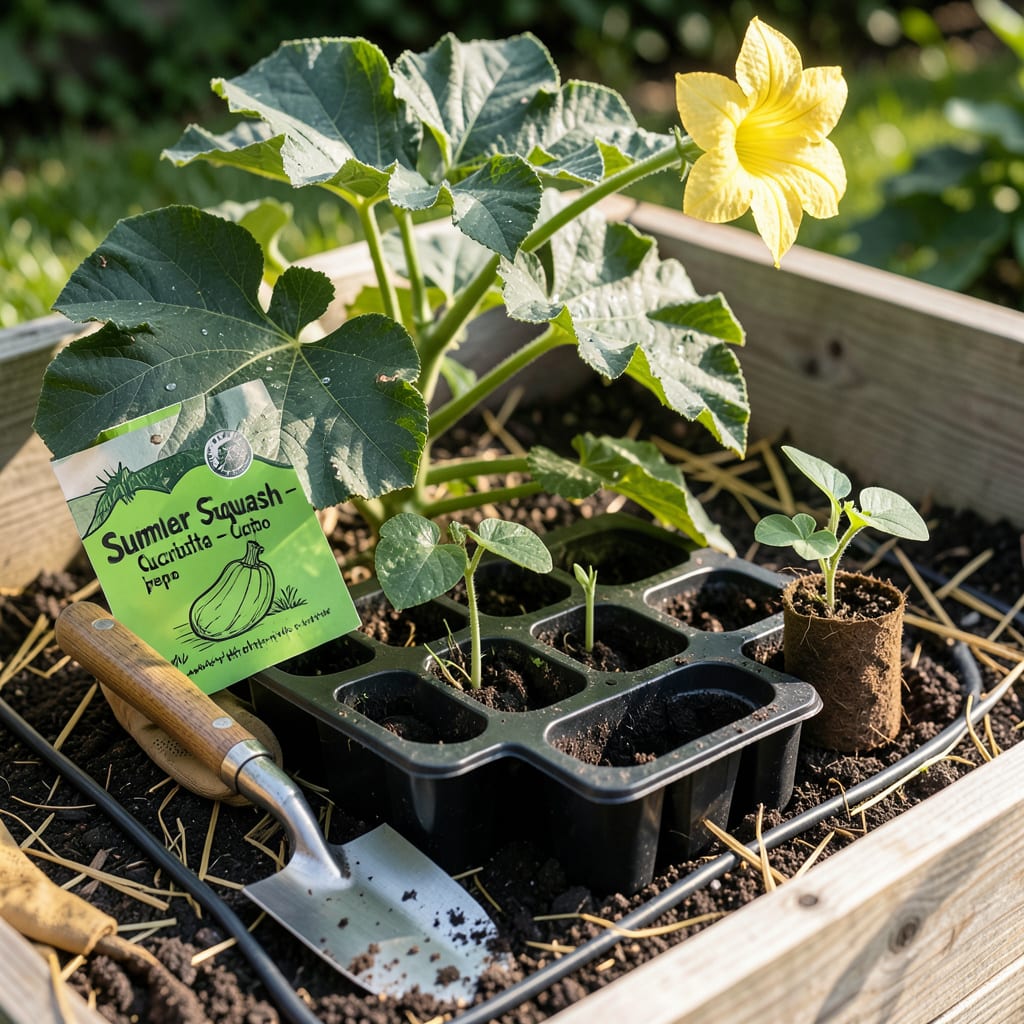
North Carolina’s unpredictable springs can make or break your squash harvest. Plant too soon, and a late frost could wipe out your seedlings. Wait too long, and you’ll miss the sweet spot for heavy yields before summer heat sets in.
After years of testing and tweaking, I’ve nailed down the exact windows for coastal, piedmont, and mountain regions—so you can grow everything from zucchini to butternut with confidence. Let’s cut through the guesswork and get your 🌱 squash off to the perfect start.
If you’ve ever wondered why your neighbor’s squash thrives while yours struggles, the answer often lies in planting timing. North Carolina’s diverse climate—spanning USDA zones 6a to 8b—means what works in Asheville won’t always suit Wilmington. I’ve found that soil temperature is the secret weapon: squash seeds need 60°F+ to germinate properly.
Here’s the kicker: NC’s last frost dates vary wildly. Coastal areas like the Outer Banks might see their final frost in early March, while the Mountains could face frost until mid-May. That’s why I always recommend checking your local frost dates before planting. For most of the Piedmont, April 15 is the magic number.
| NC Region | USDA Zone | Last Frost Date | Direct Sow Summer Squash | Direct Sow Winter Squash |
|---|---|---|---|---|
| Coastal Plain | 7b-8b | March 10–20 | March 20–April 10 | April 1–20 |
| Piedmont | 7a-8a | April 10–15 | April 15–May 1 | April 20–May 10 |
| Mountains | 6a-7a | May 1–10 | May 10–25 | May 15–June 1 |
Pro Tip: Use black plastic mulch to warm soil 2–3 weeks earlier in cooler zones. Test soil temp with a thermometer—60°F at 2″ depth is ideal.
For summer squash like zucchini or yellow crookneck, I plant in two waves: the first right after frost danger passes, and a second 6–8 weeks later for a continuous harvest. Winter squash (butternut, acorn) needs a longer season, so I start those earlier in warmer zones or use transplants in cooler areas.
The Piedmont’s clay soil can be tricky—it warms slower than sandy coastal soil. If you’re in Raleigh or Charlotte, consider raised beds filled with compost-rich mix to hit that 60°F threshold faster. I’ve had great success with ‘Early Prolific Straightneck’ in this region because it tolerates heat well.
Mountain gardeners, listen up: your shorter season means starting seeds indoors 3–4 weeks before transplanting. Use biodegradable pots to avoid root shock. Varieties like ‘Waltham Butternut’ (85 days) are perfect for higher elevations where summers are cooler.
Don’t forget about succession planting! In the Coastal Plain, I sow new seeds every 3 weeks until July for nonstop zucchini. Piedmont gardeners can push this to early August, but Mountains should wrap up by July 1 to avoid early fall frosts.
Here’s a mistake I see often: planting too early in cold, wet soil. Squash seeds will rot before germinating. If April showers leave your garden soggy, wait for a dry spell or use row covers to warm the soil. Trust me—patience pays off with healthier plants.
For winter squash, the days-to-maturity number on seed packets is your best friend. In Zone 7b, I aim for varieties under 100 days (like ‘Sweet Mama’). Zone 8b can handle longer-season types, but Zone 6a gardeners should stick to 90 days or less to beat the frost.
Remember, these dates are guidelines, not rules. I always check the 10-day forecast before planting. If nighttime temps will dip below 50°F, I hold off. Squash thrives in warmth, so when in doubt, wait for consistent 60°F+ days and 55°F+ nights.
Lastly, keep a garden journal! Note your planting dates and first harvest each year. Over time, you’ll fine-tune the perfect schedule for your microclimate. My records show that in Durham, April 20 plantings consistently outperform earlier or later sowings.
🌱Not all squash is created equal when it comes to planting timing in North Carolina. I’ve learned the hard way that summer squash (like zucchini) and winter squash (like butternut) have completely different needs. The biggest difference? Days to maturity and how they handle NC’s heat.
Summer squash grows fast and furious—most varieties are ready in 50–60 days. Winter squash, on the other hand, needs 80–120 days to fully develop its hard rind. That’s why I always adjust my planting schedule based on which type I’m growing. In the Piedmont, I start summer squash in mid-April, but winter squash goes in 2–3 weeks earlier.
| Feature | Summer Squash | Winter Squash |
|---|---|---|
| Best NC Planting Time | April 15–May 15 | April 1–May 1 |
| Days to Maturity | 50–60 days | 80–120 days |
| Heat Tolerance | Moderate (struggles in 90°F+) | High (thrives in heat) |
| Succession Planting? | Yes (every 3–4 weeks) | No (single planting) |
| Top NC Varieties | ‘Early Prolific Straightneck’, ‘Black Beauty’ | ‘Waltham Butternut’, ‘Sweet Mama’ |
Pro Tip: For coastal NC, push summer squash plantings to late March—the extra warmth gives you a head start!
Summer squash is all about quick turnover. I plant ‘Early Prolific Straightneck’ in waves—first in mid-April, then again in early June for a steady supply. But winter squash is a long-game crop. In the Mountains, I start ‘Waltham Butternut’ indoors by April 1 to ensure it matures before frost.
The heat factor is crucial. Summer squash often shuts down when temps hit 90°F+, while winter squash keeps trucking. That’s why I plant winter squash earlier in the season—it can handle the late-summer heat better. For summer squash, I use shade cloth in July to prevent sunscald.
Here’s a trick for Piedmont gardeners: plant bush-type summer squash (like ‘Spacemaster’) in raised beds. They warm faster than in-ground soil, giving you an extra week of growing time. For winter squash, I always amend the soil with composted manure—they’re heavy feeders and need that nutrient boost.
Don’t overlook pollination! Summer squash produces male and female flowers separately, and poor pollination leads to misshapen fruit. I plant borage or marigolds nearby to attract bees. Winter squash is less fussy, but I still hand-pollinate if I notice few bees.
Finally, watch for pests. Summer squash is a magnet for squash vine borers—I wrap stems with aluminum foil at the base to deter them. Winter squash is tougher but can fall prey to cucumber beetles. Row covers work wonders until flowers appear.
After years of battling squash vine borers and sudden heatwaves, I’ve perfected five game-changing strategies to stretch your harvest from early summer to fall. The key? Working with North Carolina’s climate, not against it. Let’s turn your squash patch into a production powerhouse.
First, master succession planting. In the Coastal Plain, I sow zucchini every 3 weeks until July 4th. Piedmont gardeners can push this to early August, but Mountain folks should stop by July 1. This staggered approach prevents the glorious glut-and-famine cycle most gardeners experience. 🌱
Lay black plastic mulch 2–3 weeks before planting to raise soil temps by 5–10°F. In Raleigh, this trick lets me plant 2 weeks earlier than neighbors. Remove mulch once plants are established to prevent overheating.
Use floating row covers for early plantings. They provide 4–6°F of frost protection and keep pests out. Remove covers when flowers appear for pollination. I keep mine handy until night temps stay above 50°F.
Plant ‘Tatume’ (zucchini) or ‘Sweet Mama’ (butternut)—both thrive in NC’s humidity. These varieties resist powdery mildew and vine borers. Save seeds from your best performers to adapt to your microclimate over time.
When temps hit 90°F+, summer squash often shuts down. I plant tall crops like sunflowers or corn on the west side of my squash patch. They provide natural shade during the hottest hours (2–5 PM) without blocking morning sun.
Interplant squash with borage, nasturtiums, or marigolds. These attract bees and predatory insects that boost pollination and control pests. I’ve seen 30% more fruit set in beds with companion flowers versus plain squash patches.
Here’s my secret weapon against squash vine borers: wrap aluminum foil around the base of stems when plants are young. The reflective surface confuses female borers looking to lay eggs. Combine this with yellow sticky traps for adult borers, and you’ll cut infestations by 70%.
For winter squash, focus on soil fertility. I work in 2 inches of compost plus a balanced fertilizer (5-10-10) at planting. Then I side-dress with compost tea every 3 weeks. This regimen produced my heaviest ‘Waltham Butternut’ last year—some weighed over 5 pounds!
Don’t forget the harvest timing trick: pick summer squash small and often (6–8 inches) to encourage more production. Winter squash should stay on the vine until the stem hardens and skin resists thumbnail pressure. I use a sharp pruner to harvest, leaving 1–2 inches of stem to prevent rot.
🌿Finally, keep records! I track planting dates, first harvest, and yield in a notebook. Over 3 years, I’ve pinpointed that in Durham, April 22 plantings outperform earlier or later sowings by 25%. Your microclimate might differ, so experiment and adjust.
✂️In the Coastal Plain (zones 7b-8b), you can direct sow summer squash as early as late March if soil temps reach 60°F. Winter squash does best planted April 1–20. Use black plastic mulch to warm soil faster.
Cover seedlings with floating row covers or cloches if temps dip below 50°F. Remove covers during the day to prevent overheating. For extra protection, water plants in the afternoon—moist soil retains heat better.
Choose bush varieties like ‘Spacemaster’ zucchini or ‘Sweet Mama’ butternut. Use 5-gallon containers with drainage holes and full-sun exposure. Containers dry out faster, so water daily in summer.
This usually means poor pollination. Hand-pollinate by transferring pollen from male to female flowers with a small brush. Plant pollinator-friendly flowers nearby, and avoid pesticides that harm bees. Morning is the best time for pollination.
In the Piedmont, sow summer squash by early August for a fall crop. Winter squash needs more time—plant by July 1 in the Mountains or July 15 in warmer zones. Count backward from your first frost date.
