
Beautiful Plants For Your Interior
Beautiful Plants For Your Interior
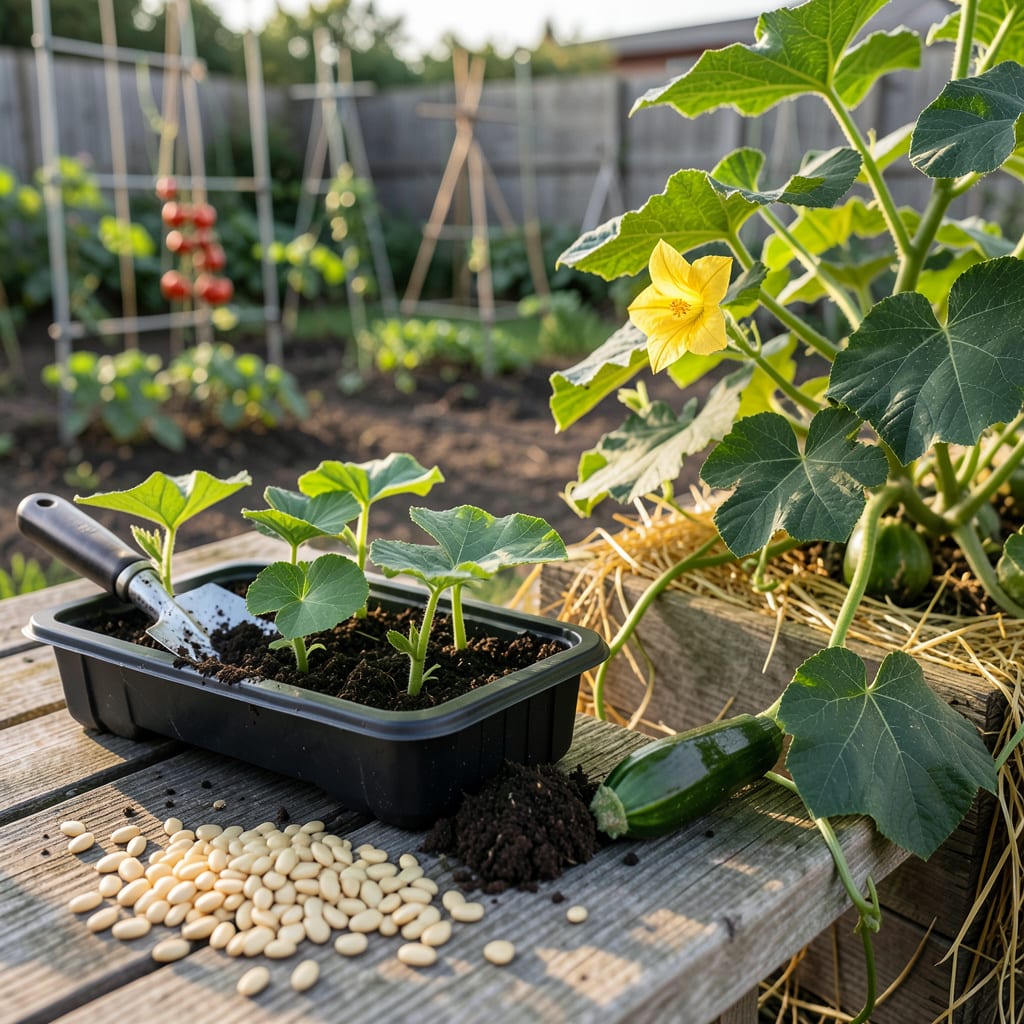
Timing your squash planting in Georgia can mean the difference between a bountiful harvest and a garden full of disappointments. The Peach State’s unpredictable springs and scorching summers demand precision—plant too early, and frost might wipe out your seedlings; wait too long, and pests take over.
I’ve tested the best windows for both Piedmont and Coastal regions, factoring in soil temps, frost dates, and even those pesky squash vine borers. Whether you’re in Atlanta or Savannah, I’ll show you exactly when to get your 🎃 in the ground for the sweetest, most productive season yet.
If you’ve ever wondered why your neighbor’s squash patch thrives while yours struggles, the answer often lies in Georgia’s microclimates. The Piedmont region (think Atlanta and Athens) has cooler springs and earlier frosts than the Coastal Plain (Savannah, Brunswick). These differences mean your planting window can vary by 2-3 weeks!
For both regions, soil temperature is your best guide—squash seeds need at least 60°F to germinate, but they’ll sprout fastest at 70–95°F. In Piedmont, that typically means waiting until mid-April, while Coastal gardeners can often start in late March. Don’t rush it: cold soil leads to rot, not roots!
| Factor | Piedmont (Zone 7b-8a) | Coastal (Zone 8b-9a) |
|---|---|---|
| Last Frost Date | April 1–15 | March 15–30 |
| First Planting Window | Mid-April to early May | Late March to mid-April |
| Successive Plantings | Every 3–4 weeks until July | Every 2–3 weeks until August |
| Soil Temp Threshold | 60°F+ (use black plastic) | 65°F+ (warms faster) |
| Heat-Tolerant Varieties | Zucchini, Yellow Crookneck | Butternut, Seminole Pumpkin |
| Fall Planting Deadline | Early July (90 days before frost) | Mid-July (100 days before frost) |
In the Piedmont, I recommend using a soil thermometer to double-check temps—our clay-heavy soils warm slower than sandy Coastal soils. If you’re eager to start, try black plastic mulch to boost warmth by 5–10°F. Just lay it down 2–3 weeks before planting to preheat the bed.
Coastal gardeners have a longer window but face humidity challenges. To combat fungal diseases like powdery mildew, space plants 3–4 feet apart for airflow and water at the base only. I’ve found drip irrigation works wonders here—keeps leaves dry while delivering moisture right to the roots.
For both regions, succession planting is key to a steady harvest. After your first planting, sow a new batch every 3–4 weeks until midsummer. This staggers your harvest so you’re not overwhelmed with squash all at once. Pro tip: Yellow squash and zucchini mature in 45–55 days, while butternut needs 85–100 days—plan accordingly!
Watch for squash vine borers, especially in the Piedmont. These pests emerge in late June, so I cover my plants with floating row covers until flowers appear. Coastal gardeners, you’re not off the hook—cucumber beetles thrive in your humidity. Try kaolin clay spray as a safe deterrent.
If you’re growing winter squash (like acorn or butternut), aim for a fall harvest by planting in early July. These varieties need 90–120 days to mature, so timing is critical. In Piedmont, I stop planting by July 10 to beat the first frost; Coastal folks can push to July 20.
Don’t forget to test your soil before planting! Squash thrives in pH 6.0–6.8. Georgia’s native soil often leans acidic, so I mix in lime if needed. A 2-inch layer of compost worked into the top 6 inches of soil gives your plants a nutrient boost from day one.
Finally, keep an eye on the 10-day forecast before planting. If nighttime temps dip below 50°F, hold off—squash seedlings are tender. I’ve lost count of how many gardeners I’ve seen replant after a surprise late frost! When in doubt, start seeds indoors 3–4 weeks early and transplant after the last frost.
With these timing tweaks, you’ll be harvesting sweet, tender squash from June through October. And remember: Georgia’s long season is your advantage—use it to experiment with heirloom varieties like ‘Georgia Candy Roaster’ or ‘Trombocino’ for a truly local flavor! 🌱
Even experienced Georgia gardeners can sabotage their squash harvest with a few common missteps. I’ve seen it time and again—planting too early in Piedmont’s fickle springs or ignoring soil prep in our clay-heavy regions. These mistakes might seem small, but they add up to stunted plants and meager yields.
One of the biggest errors? Underestimating squash vine borers. These pests hit hard in late June, just as your plants are taking off. Without protection, you could lose your entire crop overnight. Let’s break down the top three pitfalls—and how to fix them before they wreck your season.
Another frequent issue is overcrowding plants. Squash needs plenty of space—3–4 feet apart for bush varieties and 5–6 feet for vining types. Crowded plants compete for nutrients and airflow, inviting powdery mildew. In humid Coastal areas, I’ve found vertical trellising helps save space while improving circulation.
Don’t overlook watering consistency, either. Squash has shallow roots and needs 1–1.5 inches of water weekly. In Georgia’s summer heat, that often means daily watering for container plants. Use drip irrigation to keep foliage dry and prevent fungal diseases. Mulch with straw or pine straw to retain moisture and suppress weeds.
Many gardeners also forget to rotate crops. Planting squash in the same spot yearly invites soil-borne diseases and depletes nutrients. Follow squash with legumes (like beans) or leafy greens to replenish the soil. If space is tight, try container gardening—just use 5-gallon pots with drainage holes for bush varieties like ‘Eight Ball’ zucchini.
Finally, harvesting too late turns tender squash into tough, seedy disappointments. Pick summer squash (like zucchini) when 6–8 inches long—they grow fast! Winter squash (butternut, acorn) should stay on the vine until the rind hardens and the stem turns brown. Use a sharp knife to cut stems cleanly, leaving 1–2 inches attached to prevent rot.
By avoiding these mistakes, you’ll set your squash up for success. And remember: Georgia’s long growing season is your secret weapon. With the right timing and care, you can enjoy fresh squash from June through October—maybe even longer! 🎃
Want squash all summer long? The secret is succession planting—staggering your plantings every few weeks. In Georgia’s long growing season, you can harvest zucchini, yellow squash, and more from June through October with the right timing. Here’s how to plan it.
First, know your days to maturity. Summer squash (like zucchini) takes 45–55 days, while winter squash (butternut, acorn) needs 85–100 days. Coastal gardeners can plant later than Piedmont folks, but both regions should stop sowing by mid-July for fall harvests.
| Variety | First Planting | Successive Plantings | Last Planting | Harvest Window |
|---|---|---|---|---|
| Zucchini | Mid-April (Piedmont) Late March (Coastal) |
Every 3 weeks until July | July 10 (Piedmont) July 20 (Coastal) |
June–September |
| Yellow Crookneck | Mid-April (Piedmont) Late March (Coastal) |
Every 4 weeks until June | June 30 (Piedmont) July 15 (Coastal) |
July–October |
| Butternut | Late April (Piedmont) Early April (Coastal) |
Single planting (long season) | June 15 (Piedmont) June 30 (Coastal) |
September–October |
| Acorn | Late April (Piedmont) Early April (Coastal) |
Single planting | June 15 (Piedmont) June 30 (Coastal) |
August–October |
For summer squash, start your first planting after the last frost, then sow new seeds every 3–4 weeks. This ensures a continuous supply as older plants taper off. In Piedmont, I stop planting by July 10 to avoid frost damage. Coastal gardeners can push to July 20.
Winter squash needs a longer season, so plant it once in late April or early May. Varieties like ‘Waltham Butternut’ or ‘Table Ace Acorn’ thrive in Georgia’s heat. Use mulch to retain moisture and suppress weeds—critical during our hot summers.
Pro tip: Keep a garden journal to track planting dates and harvests. Note when pests appear (like squash bugs in late June) so you can adjust timing next year. And don’t forget to rotate crops—never plant squash in the same spot two years in a row!
With this schedule, you’ll enjoy fresh squash for months. Start planning now, and you’ll be rewarded with a bounty of tender zucchini, sweet butternut, and everything in between! 🌱
Squash seeds need soil temps of at least 60°F to germinate, but they thrive at 70–95°F. In Piedmont, this usually means waiting until mid-April, while Coastal areas hit these temps by late March. Use a soil thermometer for accuracy—cold soil causes rot.
Choose bush varieties like ‘Eight Ball’ zucchini and use 5-gallon pots with drainage holes. Fill with well-draining potting mix and place in full sun. Container squash needs daily watering in Georgia’s heat, so mulch the surface to retain moisture.
If a surprise frost threatens, cover young plants with floating row covers or old blankets overnight. For extra warmth, place milk jugs filled with hot water near plants. Piedmont gardeners should keep covers handy until mid-April, while Coastal areas rarely need protection after late March.
For winter squash like butternut, plant by July 10 in Piedmont or July 20 in Coastal areas. These varieties need 90–120 days to mature. Summer squash planted after early July may not produce before frost. Always count backward from your region’s first frost date.
Squash needs 1–1.5 inches of water weekly, but in peak summer, that often means every 3–5 days (daily for containers). Water deeply at the base of plants in the morning to prevent fungal diseases. Mulch with straw or pine straw to keep roots cool and moist.
