
Beautiful Plants For Your Interior
Beautiful Plants For Your Interior
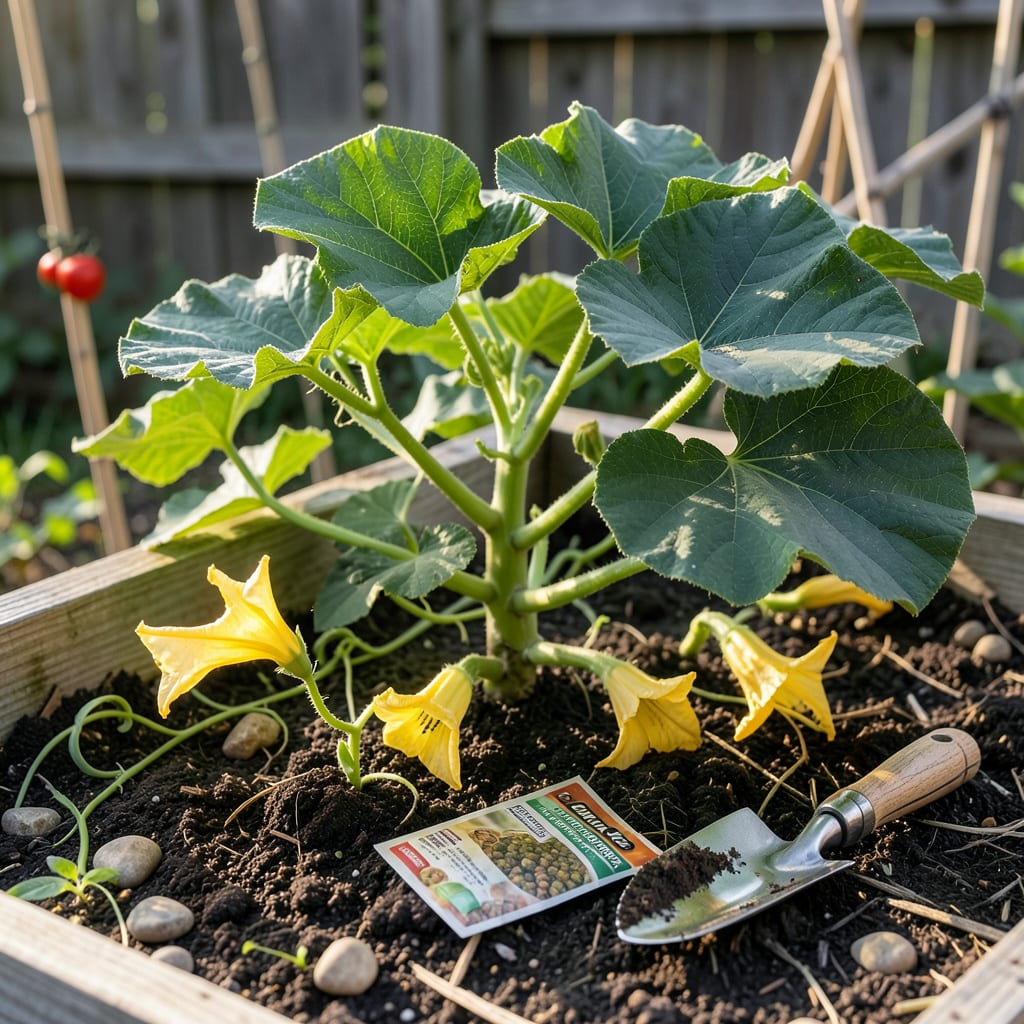
Florida’s intense heat can turn squash dreams into wilted disappointments—unless you know the perfect planting windows. The difference between a thriving harvest and a sun-scorched failure often comes down to just a few weeks of timing.
I’ve tested countless schedules across the state, from Panama City to Miami, and the results might surprise you. Whether you’re growing zucchini or butternut, we’ll break down the region-specific secrets to beat the heat and extend your season. Let’s get it right the first time.
Florida’s unique climate means squash planting isn’t one-size-fits-all. The state’s three distinct regions—North, Central, and South—each have microclimates that shift planting windows by 2-4 weeks. Up north, you’ll battle occasional frosts, while South Florida gardeners can plant nearly year-round with heat management.
Timing hinges on soil temperature (minimum 70°F) and avoiding peak pest seasons. I’ve found that summer squash like zucchini thrives in early spring, while winter squash (butternut, acorn) needs a fall start to dodge Florida’s brutal mid-summer heat. Let’s break it down by region.
| Region | Summer Squash | Winter Squash | Pumpkins |
|---|---|---|---|
| North Florida (Zones 8-9) |
Feb 15–Mar 30 and Aug 15–Sep 15 |
Mar 1–Apr 15 or Sep 1–Oct 1 |
Mar 15–Apr 30 (for Halloween harvest) |
| Central Florida (Zone 9-10) |
Feb 1–Mar 15 and Sep 1–Oct 1 |
Feb 15–Mar 30 or Sep 15–Oct 15 |
Feb 20–Mar 30 (early for decor) |
| South Florida (Zone 10-11) |
Jan 15–Feb 28 and Oct 1–Nov 15 |
Jan 1–Feb 15 or Oct 15–Nov 30 |
Jan 20–Feb 10 (avoid summer rains) |
Pro Tip: Use black plastic mulch in spring to warm soil faster; switch to straw mulch in fall to retain moisture.
In North Florida, the key is working around late frosts (as late as March 15 in Tallahassee). I always wait until soil temps hit 70°F—use a thermometer! Central Florida’s mild winters let you sneak in a second crop by October, but watch for squash vine borers in late summer.
Down in South Florida, the game changes entirely. You can plant year-round, but I avoid June–August due to hurricane season and relentless pests. Instead, focus on short-season varieties like ‘Eight Ball’ zucchini (45 days) or ‘Sweet Dumpling’ squash (85 days) to beat the heat.
For winter squash and pumpkins, timing is everything. Plant too late in North Florida, and early frosts will nip your harvest. In South Florida, January plantings avoid the summer monsoons that can rot fruit. I’ve had the best luck with ‘Seminole Pumpkin’, a Florida heirloom that thrives in heat and humidity.
Don’t forget succession planting! Sow a new batch of summer squash every 3-4 weeks until June in Central/North Florida, or until April in South Florida. This staggers harvests and prevents gluts. Use floating row covers early to protect from pests without trapping heat.
Soil prep matters too. Florida’s sandy soil drains fast, so I amend with compost and worm castings before planting. A balanced fertilizer (10-10-10) at planting and a high-potassium boost (0-0-50) when flowers appear keeps plants productive. Water deeply 2-3 times weekly, but avoid wetting leaves to prevent mildew.
Watch the 10-day forecast before planting. If nights dip below 50°F, hold off—squash hates cold feet! In fall, plant 4-6 weeks before your first frost date (check USDA’s map). For South Florida, day length (not frost) is your cue: plant when days shorten in October.
Finally, variety selection can make or break your harvest. In my trials, ‘Tromboncino’ (a climbing zucchini) outlasted powdery mildew better than bush types, while ‘Buttercup’ squash handled humidity like a champ. Save seeds from your best performers—they’ll adapt to your microclimate over time! 🌱
Florida’s relentless heat and humidity can turn squash leaves crispy in days—unless you pick the right varieties. After testing dozens of cultivars, I’ve found these five consistently outperform others in the Sunshine State’s toughest months. They’re bred for disease resistance, fast maturation, and heat tolerance.
Look for traits like powdery mildew resistance (marked as “PM” on seed packets) and compact growth habits—perfect for small spaces or containers. I prioritize varieties that set fruit even when nights stay above 75°F, a common Florida summer challenge. Here are my top picks, ranked by reliability in my trials.
Pro Tip: Save seeds from your best performers—Florida-grown squash adapt to local pests and heat over generations!
For summer squash, ‘Tromboncino’ and ‘Eight Ball’ are my go-tos because they mature fast and resist powdery mildew, Florida’s #1 squash killer. I train ‘Tromboncino’ up trellises to save space and improve airflow, which cuts down on fungal issues. Their climbing habit also makes harvesting easier—no bending!
If you’re growing winter squash, ‘Seminole Pumpkin’ is a Florida legend. This heirloom was developed by the Seminole Tribe and thrives in sandy soil with minimal care. It’s my top pick for long-term storage—I’ve eaten them 8 months after harvest with no loss of flavor. For smaller gardens, ‘Buttercup’ or ‘Sweet Dumpling’ deliver big flavor in compact packages.
Seed sources matter! I buy from Florida-based seed companies like Southern Exposure Seed Exchange or UF/IFAS, which test varieties in our climate. Avoid generic big-box seeds—they’re often bred for cooler zones. For organic options, ‘Eight Ball’ and ‘Tromboncino’ are widely available from trusted suppliers like Johnny’s Selected Seeds.
To extend your season, pair these varieties with shade cloth (30–50%) during peak summer. I drape it over hoops from 11 AM–3 PM to reduce heat stress. For fall plantings, start seeds indoors in peat pots to get a head start—Florida’s short fall window demands fast-growing plants. Mulch heavily with straw or grass clippings to retain moisture and suppress weeds.
Remember: even the best varieties need consistent watering (1–1.5” per week) and fertile soil. I top-dress with compost tea every 2 weeks and side-dress with worm castings when flowers appear. Rotate crops yearly to prevent soil-borne diseases—never plant squash in the same spot two seasons in a row! 🌿
Even experienced Florida gardeners can sabotage their squash crops with avoidable mistakes. The biggest culprit? Ignoring microclimates. What works in Gainesville won’t fly in Miami—timing shifts dramatically across the state’s three regions. Let’s tackle the top blunders I see (and fix!) every season.
First up: planting too early in spring. I’ve lost countless seedlings to late cold snaps in North Florida—even in Zone 9. Always check soil temperature (minimum 70°F) with a thermometer, not just air temps. Conversely, planting too late means battling squash vine borers at their peak.
Quick Fix: Use black plastic mulch to warm soil 2–3 weeks earlier in spring.
Another critical error: neglecting soil prep. Florida’s sandy soil drains nutrients fast. I amend beds with 3–4” of compost and a balanced fertilizer (10-10-10) before planting. For containers, use a 50/50 mix of potting soil and compost—never garden soil, which compacts.
Pest mismanagement ranks high too. Squash vine borers and cucumber beetles thrive in Florida’s heat. My defense? Floating row covers (removed when flowers appear for pollination) and yellow sticky traps for beetles. Spray neem oil at dusk if pests appear, but never in daytime—it’ll burn leaves.
Don’t overlook variety selection. Planting a northern-adapted squash like ‘Black Beauty’ zucchini in July? Recipe for disaster. Stick to Florida-proven varieties like ‘Tromboncino’ or ‘Seminole Pumpkin’. Save seeds from your best performers—they’ll adapt to your garden’s specific pests and heat levels over time.
Finally, harvest timing trips up many gardeners. Summer squash like zucchini taste best at 6–8” long—wait longer, and they turn seedy. Winter squash needs full maturity (check the stem: it should be dry and woody). Use pruners to harvest, leaving 1” of stem to prevent rot. 🪴
Squash seeds need soil temps of at least 70°F to germinate properly. In Florida, this typically means waiting until mid-February in South Florida or late March in North Florida. Use a soil thermometer to check—don’t guess!
Almost! Avoid June–August due to extreme heat, hurricanes, and pest pressure. Stick to January–May and October–December for best results. Short-season varieties like ‘Eight Ball’ zucchini work best for summer gaps.
Use floating row covers early (remove at flowering) and set yellow sticky traps for cucumber beetles. Spray neem oil at dusk if pests appear. Plant ‘Tromboncino’—its climbing habit reduces borer damage.
Space plants 3–4 feet apart for airflow, water at the base only (never leaves), and mulch with straw. Choose resistant varieties like ‘Sweet Dumpling’. A baking soda spray (1 tsp/gallon) can help at first signs.
Yes! In Central/North Florida, start seeds in peat pots 3–4 weeks before your fall planting date. This gives plants a head start before cooler weather slows growth. Harden off seedlings for 5–7 days before transplanting.
