
Beautiful Plants For Your Interior
Beautiful Plants For Your Interior
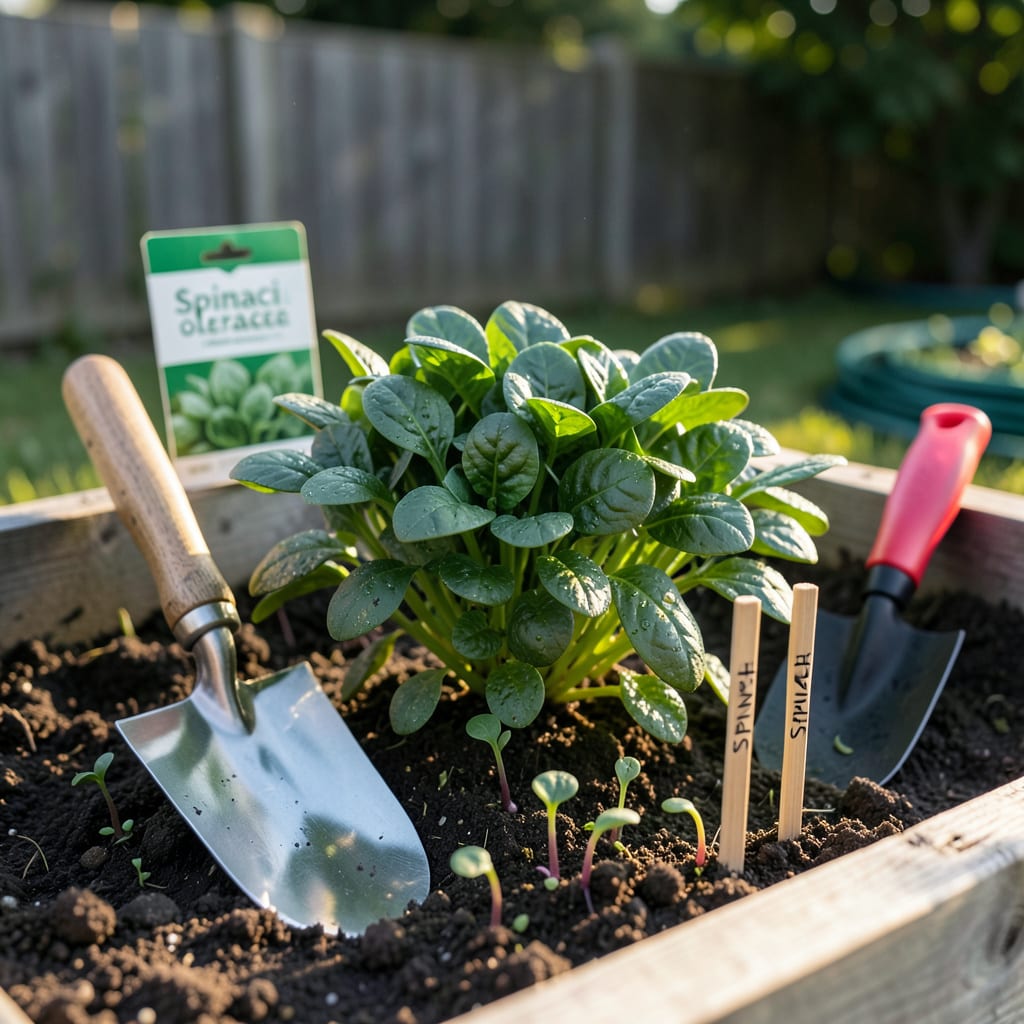
If you’re growing spinach in Zone 7, nailing the timing is your secret weapon. This cool-weather crop thrives when temperatures stay between 40–75°F, which means you’ve got two prime windows: early spring and late summer for fall harvests. Miss these, and you risk bolting or stunted growth.
Zone 7’s last frost date (around April 1–15) is your spring planting cue. For fall, count backward from the first frost (typically October 15–30) to ensure mature plants before cold sets in. I’ll break down both seasons so you can plan with confidence.
| Season | Planting Window | Key Considerations |
|---|---|---|
| Spring | 6–8 weeks before last frost (mid-Feb to early March) | Use row covers if temps dip below 20°F. Avoid planting after March 15—heat triggers bolting. |
| Fall | 8–10 weeks before first frost (late Aug to early Sept) | Soil temps above 50°F speed germination. Succession plant every 2 weeks for continuous harvests. |
🌱 Pro Tip: Spinach germinates poorly in hot soil. For late summer plantings, shade cloth or mulch can lower soil temps by 5–10°F.
Spring planting in Zone 7 is a race against the heat. I aim to sow seeds February 15–March 1, giving plants time to mature before temperatures climb above 75°F. If you’re direct-seeding, soil temps should be at least 40°F—use a soil thermometer to check.
For fall spinach, timing is even more critical. I start seeds August 20–September 10, ensuring plants reach harvest size before daylight dwindles. Fall-grown spinach often tastes sweeter because cooler temps reduce bitterness. Just be sure to mulch heavily if you’re pushing into winter.
Microclimates matter in Zone 7. If you’re in a warmer pocket (like near a city or south-facing slope), adjust spring plantings 1–2 weeks earlier. Conversely, low-lying areas may need fall seeds sown a week later to avoid frost damage.
Soil prep can make or break your spinach. Before planting, I work in 2–3 inches of compost and ensure the bed is well-draining. Spinach hates soggy roots! A pH of 6.5–7.0 is ideal—test your soil and amend with lime if needed.
Thinning seedlings is non-negotiable. Crowded spinach competes for nutrients, leading to weak plants. I thin to 4–6 inches apart when seedlings have 2–3 true leaves. Use the thinnings in salads—they’re just as tasty!
Watering consistency is key, especially in Zone 7’s unpredictable springs. I water 1 inch per week, using drip irrigation to avoid wetting leaves (which invites disease). In fall, reduce watering as temps drop, but never let soil dry completely.
Finally, watch for pests like leaf miners and aphids, which love tender spinach leaves. I use floating row covers at planting to deter them. For organic control, neem oil or insecticidal soap works wonders.
With these timings and tips, you’ll harvest baby leaves in 30 days or full-sized spinach in 45–60 days. Zone 7 gardeners can enjoy spinach almost year-round with a little planning! 🌿
If you’re growing spinach in Zone 7, timing is your secret weapon. This cool-season crop thrives when temperatures stay between 40–75°F, making spring and fall your golden windows. Plant too late in spring, and your spinach will bolt in the heat. Wait too long in fall, and frost might nip your tender leaves.
In Zone 7, our average last frost hits around April 1–15, while the first frost typically arrives by October 15–30. These dates are your bookends for planning. For spring, aim to sow seeds 6–8 weeks before your last frost—that’s late February to early March for most of Zone 7.
| Season | Planting Window | Key Considerations |
|---|---|---|
| Spring | Late Feb–Early March | Sow 6–8 weeks before last frost. Use row covers if nights dip below 20°F. |
| Fall | Late Aug–Early Sept | Plant 6–8 weeks before first frost. Fall spinach is often sweeter and slower to bolt. |
| ✅ Both | Soil temp: 40–60°F | Seeds germinate best in cool, moist soil. Avoid soggy conditions to prevent rot. |
For spring planting, I always check my soil temperature with a simple thermometer—you want it consistently above 40°F. If your soil is still cold and wet, spinach seeds may rot. A quick trick? Cover your planting area with black plastic for a week to warm it up faster.
Fall planting is where Zone 7 gardeners really shine. The key is counting backward from your first frost date. Since spinach matures in about 40–50 days, sow seeds by early September to allow time for growth before cold weather slows things down. I love fall spinach because the cooler temps keep leaves tender and sweet.
Don’t forget about succession planting! For a continuous harvest, I sow a new batch of spinach every 2–3 weeks until late September. This staggers your harvest and prevents gluts. Just be sure to stop planting by mid-October—any later, and your seeds won’t have time to germinate before winter.
If you’re pushing the season, consider cold-hardy varieties like ‘Winter Giant’ or ‘Bloomsdale Long Standing’. These can handle light frosts and even overwinter in Zone 7 with protection. A simple low tunnel or cold frame can extend your harvest well into December!
Remember, spinach is a fast grower, but it’s not fond of heat. Once daytime temps consistently hit 75°F, your plants will start to bolt. That’s why I always prioritize fall plantings—they’re more forgiving and often more productive in our Zone 7 climate. 🌿
Not all spinach varieties thrive equally in Zone 7’s unpredictable swings from mild winters to scorching summers. I’ve tested dozens over the years, and the winners share one trait: bolt resistance. When temps climb above 75°F, most spinach shoots up flowers, turning leaves bitter. 🌱
For fall planting, I swear by ‘Space’—it germinates quickly in cooling soil and handles light frosts like a champ. If you’re overwintering, ‘Tyee’ is your best bet, surviving temps down to 15°F under row covers. Both deliver sweet, tender leaves when others falter.
| Variety | Days to Harvest | Best Season | Key Trait |
|---|---|---|---|
| Space | 45 | Fall | Fast-growing, bolt-resistant |
| Tyee | 50 | Winter | Cold-hardy to 15°F |
| Bloomsdale Long Standing | 55 | Spring/Fall | Heat-tolerant, savoyed leaves |
| Winter Giant | 60 | Late Fall | Massive leaves, slow to bolt |
🌿 Pro Tip: Sow ‘Space’ in late August for a November harvest—it’ll sweeten after light frosts!
Spring plantings demand heat-tolerant varieties like ‘Bloomsdale Long Standing’, which holds off bolting 2–3 weeks longer than standard types. For succession planting, pair it with ‘Corvair’, a smooth-leafed option that matures in just 40 days. Both thrive in Zone 7’s spring if given afternoon shade. ☀️
If you’re short on space, ‘Baby’s Leaf Hybrid’ stays compact but packs intense flavor. Its small leaves are perfect for container gardening—just keep soil moist. For overwintering experiments, ‘Giant Winter’ lives up to its name, producing 12-inch leaves by early spring if protected. 🪴
Avoid ‘Old Dominion’ or ‘Long Standing’ (non-savoy) in summer—they bolt at the first 80°F day. Instead, try ‘Empress’, a newer hybrid bred for high heat. Remember: spinach flavor peaks in cool weather, so prioritize fall plantings for the sweetest results. ✂️
Summer planting isn’t ideal, as spinach bolts quickly in temperatures above 75°F. For summer harvests, try heat-tolerant varieties like ‘Empress’ or plant in partial shade with consistent moisture. Early morning sun and afternoon shade help extend the season.
In Zone 7, aim to sow seeds 6-8 weeks before the first frost (around mid-August to early September). This gives plants time to mature before cold weather slows growth. Varieties like ‘Space’ mature quickly and handle light frosts well.
Use row covers or cold frames to shield young plants from unexpected late frosts. These can add 5-10°F of protection and extend your harvest window. Remove covers during the day to prevent overheating.
Bolting usually happens due to heat stress or long daylight hours. To prevent it, plant early in spring or late in summer, use shade cloth, and keep soil consistently moist. Choose bolt-resistant varieties like ‘Bloomsdale Long Standing’.
