
Beautiful Plants For Your Interior
Beautiful Plants For Your Interior
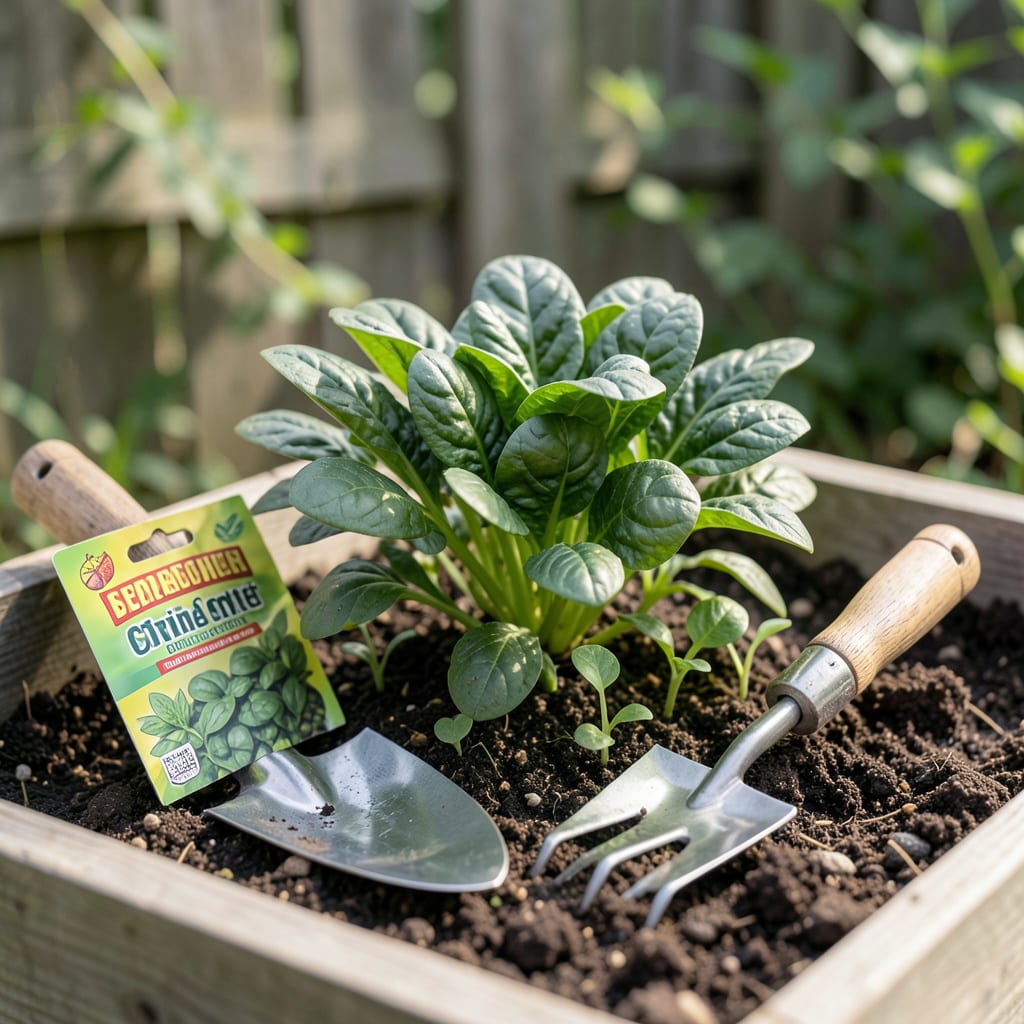
Timing your spinach planting in Ohio can mean the difference between a thriving harvest and a disappointing flop. Our state’s unpredictable swings from late frosts to sudden heat waves make nailing that perfect window absolutely crucial.
After years of testing and tweaking, I’ve cracked the code for Ohio’s 6a-6b zones. Whether you’re in Cleveland or Columbus, I’ll show you exactly when to get those seeds in the ground—so you can enjoy crisp, homegrown 🍃 spinach without the guesswork. Let’s get started.
If you’re eager to grow spinach in Ohio, timing is your secret weapon. Ohio’s climate varies dramatically from the cooler Lake Erie shores to the warmer southern counties, meaning planting windows shift by region. I’ve found that nailing the soil temperature (ideally 40–50°F) makes all the difference.
In Northern Ohio (Cleveland, Toledo), you’ll want to plant 2–3 weeks later than in Southern Ohio (Cincinnati, Athens) due to lingering frosts. Meanwhile, Central Ohio (Columbus, Dayton) sits right in the middle. Let’s break down the exact timing so you can plan with confidence.
| Region | Spring Planting | Fall Planting | Last Frost Date | First Frost Date |
|---|---|---|---|---|
| Northern Ohio (Zones 5b-6a) |
March 20–April 10 4–6 weeks before last frost |
August 15–September 1 8 weeks before first frost |
May 1–May 15 | October 1–October 15 |
| Central Ohio (Zone 6a) |
March 10–March 30 5–6 weeks before last frost |
August 10–August 25 7–8 weeks before first frost |
April 15–April 30 | October 15–October 30 |
| Southern Ohio (Zone 6b) |
February 25–March 15 6 weeks before last frost |
August 1–August 15 8–10 weeks before first frost |
April 1–April 15 | October 30–November 10 |
For spring planting, I always aim to sow seeds 4–6 weeks before the last frost. This gives spinach enough time to mature before the summer heat triggers bolting. In Southern Ohio, you can even sneak in a late February planting if the soil is workable.
Fall spinach is my personal favorite—it’s sweeter and less prone to bolting. Plant 6–8 weeks before the first frost so leaves reach harvest size before winter. In Columbus, that means seeding by late August. Use row covers to extend the season if needed.
If you’re in urban areas like Cleveland or Cincinnati, watch for microclimate differences. Buildings and pavement can create warmer pockets, allowing earlier planting. Conversely, rural areas near open fields may stay cooler longer, delaying your start by a week or two.
For container gardening, you can push the envelope slightly. Pots warm up faster than ground soil, so I’ve successfully planted spinach 1–2 weeks earlier in containers. Just ensure pots are at least 6–8 inches deep and use a well-draining potting mix.
Don’t forget about succession planting! For a continuous harvest, I sow a new batch of seeds every 2–3 weeks until mid-May for spring crops. In fall, a second planting in early September (Central Ohio) can yield a late harvest before winter sets in.
If you’re new to growing spinach, start with cold-hardy varieties like ‘Bloomsdale Long Standing’ or ‘Winter Giant’. These tolerate Ohio’s temperature swings better than heat-sensitive types. For quick harvests, ‘Baby’s Leaf Hybrid’ matures in just 30 days!
Finally, keep an eye on the 10-day forecast before planting. If a late frost is predicted after you’ve sown seeds, cover the bed with frost cloth or a cloche to protect emerging seedlings. Spinach can handle light frosts, but hard freezes below 25°F may damage young plants.
Ohio gardeners often debate whether spring or fall is the ideal season for spinach. After testing both, I’ve found each has unique advantages. Spring spinach grows fast but risks bolting in late May’s heat. Meanwhile, fall spinach thrives in cooling temps, often producing sweeter leaves.
The key difference? Daylength sensitivity. Spinach bolts when days exceed 14 hours of light, making late spring tricky. Fall’s shorter days keep plants in leafy production mode longer. Let’s compare both seasons so you can decide which fits your garden goals.
In my Columbus garden, spring spinach yields about 4–6 cups per plant, while fall crops often produce 20% more due to ideal conditions. The tradeoff? Spring spinach matures 1–2 weeks faster, which is great if you’re eager for fresh greens.
To maximize spring success, I plant ‘Space Hybrid’ (bolt-resistant) and use shade cloth by late May. For fall, ‘Bloomsdale Long Standing’ handles temperature swings beautifully. Both seasons benefit from succession planting every 2 weeks for continuous harvests.
Watering differs too: Spring spinach needs 1 inch weekly, while fall crops thrive on 0.5–0.75 inches due to cooler temps. Always water in the morning to prevent fungal issues, especially in humid Ohio falls.
If you’re short on space, prioritize fall planting. It’s more forgiving and often requires less maintenance. But for two harvests yearly, dedicate a small bed to each season. I’ve found raised beds warm up faster in spring, while in-ground plots retain moisture better for fall crops.
Remember: Ohio’s frost dates vary by 10–14 days across regions. Always adjust your timeline based on your specific USDA zone and microclimate. When in doubt, fall planting gives you a longer, sweeter harvest with less risk of bolting.
Even experienced Ohio gardeners can stumble when planting spinach. The biggest mistake I see? Ignoring soil temperature. Many assume calendar dates alone dictate planting time, but spinach seeds rot in cold, wet soil below 40°F. Always check with a thermometer!
Another frequent error is misjudging frost dates. Ohio’s last spring frost varies by 2–3 weeks from Toledo to Cincinnati. Planting too early risks frost damage, while waiting too long means bolting in summer heat. Let’s dive into the top timing pitfalls and how to avoid them.
Spinach seeds need 40–75°F soil to germinate. Planting in March’s frozen ground (common in Northern Ohio) leads to poor germination or rot.
Urban gardens (like Cleveland’s downtown) warm up 1–2 weeks earlier than rural areas. Planting by calendar dates alone can mean missed opportunities or lost crops.
Planting just one batch in spring means your harvest ends by June. Without succession sowing, you’ll miss out on months of potential spinach!
In Central Ohio, I’ve seen gardeners lose entire spinach crops by planting too late in spring. By May 15, daytime temps often hit 80°F, triggering bolting. The sweet spot? March 10–30 for spring, August 10–25 for fall.
Another overlooked issue is seed depth. Spinach seeds need light to germinate, so planting deeper than ½ inch reduces sprouting rates. I use the “sandwich method“: sprinkle seeds on soil, lightly cover with ¼ inch compost, then mist daily.
Finally, don’t forget about variety selection. Heat-tolerant types like ‘Malabar spinach’ (not true spinach but similar) or bolt-resistant ‘Tyee’ can extend your season by 2–3 weeks. For fall, ‘Giant Winter’ handles cold snaps down to 15°F with row covers.
Summer heat causes spinach to bolt quickly, making it challenging. For best results, stick to spring (March–April) or fall (August–September) plantings when temps stay below 75°F. If you must try summer, use shade cloth and heat-tolerant varieties like ‘Malabar spinach’.
Cover seedlings with frost cloth or a cloche when temps dip below 28°F. Spinach can handle light frosts, but hard freezes may damage young plants. For extra protection, apply a thick mulch layer (straw or leaves) around the base.
Use succession planting—sow new seeds every 2–3 weeks until mid-May for spring. In fall, plant again in late August. Row covers or cold frames can add 2–4 weeks to your harvest, especially in Southern Ohio’s milder climate.
For spring, try bolt-resistant ‘Tyee’ or ‘Space Hybrid’. For fall, ‘Bloomsdale Long Standing’ or ‘Giant Winter’ handle cold snaps beautifully. ‘Baby’s Leaf Hybrid’ is great for quick harvests (ready in 30 days).
