
Beautiful Plants For Your Interior
Beautiful Plants For Your Interior
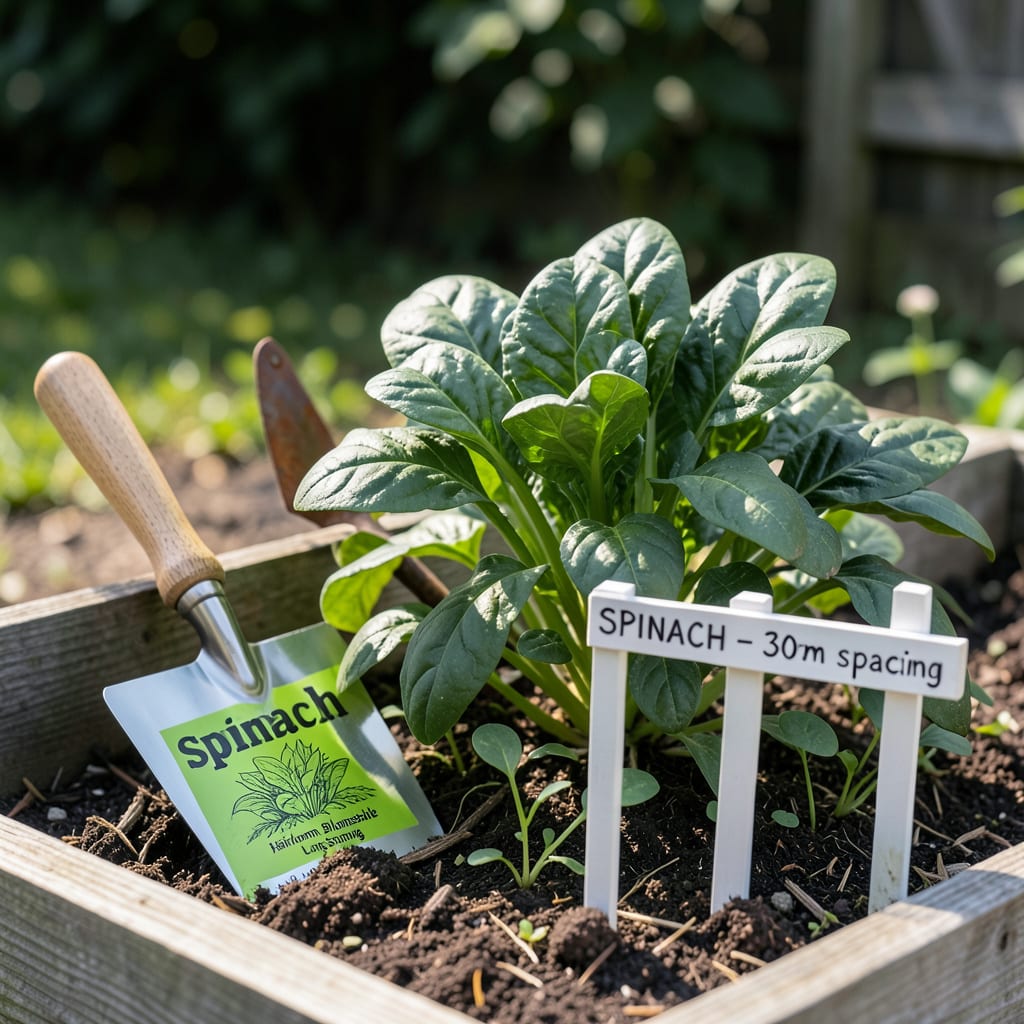
Timing can make or break your 🥬 spinach harvest in North Carolina. Plant too late, and summer heat turns tender leaves bitter before you can enjoy them. Go too early, and unexpected frost might wipe out your efforts overnight.
After years of testing what works in our 7a climate, I’ve nailed down the perfect windows for planting. Whether you’re in the mountains or along the coast, I’ll show you exactly when to sow for sweet, crisp leaves—without the guesswork.
North Carolina’s diverse climate zones mean spinach planting times vary dramatically. In the Coastal Plain, mild winters allow for earlier sowing, while the mountains demand patience—waiting until soil warms to at least 40°F is key.
I’ve found the sweet spot is planting 4–6 weeks before your last frost in spring or 6–8 weeks before the first fall frost. For most of NC, that means February–March and August–September for a bountiful harvest.
Soil temperature is your best planting guide. Spinach seeds germinate best at 50–75°F, but I’ve had success down to 40°F with pre-soaking seeds overnight. Use a soil thermometer to take the guesswork out of timing.
For spring plantings, aim to harvest before daytime temps exceed 75°F—that’s when spinach bolts. In fall, sow seeds when soil is still warm but air temps are cooling. A light mulch helps regulate temperature swings.
Succession planting is a game-changer in NC. I sow a new batch every 2–3 weeks from February to April, then again in August. This ensures a steady supply of tender leaves without overwhelming gluts.
If you’re in an urban area, microclimates can extend your season. South-facing walls or raised beds warm faster, letting you plant 1–2 weeks earlier than rural spots. Just monitor moisture—containers dry out faster!
For fall spinach, timing is even more critical. Plant too late, and cold soil stalls germination. Too early, and heat stress causes bolting. I’ve had best luck 6–8 weeks before the first frost, adjusting for local weather patterns.
Pro tip: ‘Bloomsdale Long Standing’ and ‘Space’ are my go-to varieties for NC. They tolerate temperature swings and resist bolting better than most. Pair them with compost-rich soil for fast, flavorful growth.
Remember, spinach thrives in well-draining soil with a pH of 6.5–7.0. Work in aged compost before planting, and keep beds consistently moist—dry spells lead to tough, bitter leaves. A drip irrigation system can help maintain even moisture.
With these timing tricks, you’ll enjoy homegrown spinach almost year-round in NC. Just stay flexible—our weather loves to keep gardeners on their toes! 🥬
Even experienced gardeners can stumble with spinach in North Carolina’s finicky climate. I’ve seen perfectly good seeds fail because of timing missteps or soil oversights. Let’s tackle the top 5 mistakes that sabotage spinach crops—so you can sidestep them.
The biggest error? Planting too late in spring. Once daytime temps hit 75°F, spinach bolts faster than you can blink. In NC, that means mid-April is your cutoff for spring sowing. Fall plantings are trickier—wait too long, and cold soil halts germination entirely.
Use a soil thermometer—spinach seeds germinate best at 50–75°F. Below 40°F, they’ll just sit there!
Another common blunder: skipping soil prep. Spinach craves loose, fertile soil with a pH of 6.5–7.0. If your bed is compacted or nutrient-poor, seeds struggle to sprout. I always mix in 2 inches of compost and a handful of balanced fertilizer before planting.
Overcrowding is mistake #3. It’s tempting to scatter seeds thickly, but spinach needs space—about 2–4 inches apart—to develop full, tender leaves. Crowded plants compete for nutrients, leading to stunted growth and higher disease risk. Thin seedlings early for the best harvests.
Ignoring succession planting is another yield-killer. Spinach grows fast (just 45–60 days to harvest!), so planting once means one small harvest. Instead, sow a new batch every 2–3 weeks from February to April, then again in August. This keeps your kitchen stocked with fresh leaves for months.
Finally, don’t forget pest protection. In NC, slugs and leaf miners love spinach as much as you do. I use row covers in early spring and organic slug bait to keep critters at bay. A light mulch (like straw) also deters pests while retaining moisture.
Bonus pro tip: If you’re in the Piedmont, watch for unpredictable frost. A sudden cold snap can wipe out tender seedlings. Keep frost blankets handy, or plant in raised beds that warm up faster. In the mountains, opt for cold-hardy varieties like ‘Winter Giant’ to extend your season.
With these fixes, you’ll avoid the heartbreak of bolted, bitter, or nonexistent spinach. Trust me—your future harvests will thank you! 🌿
Not all spinach is created equal—especially in North Carolina’s rollercoaster climate. After testing dozens of varieties, I’ve narrowed it down to the top performers for our state’s unique conditions. The right choice can mean bolting resistance or bitter disappointment.
For the Coastal Plain’s heat, I swear by ‘Tyee’ and ‘Corvair’. These heat-tolerant varieties hold their own when temps creep into the 80s, delaying bolting by 2–3 weeks compared to standard types. They’re perfect for late spring or early fall plantings.
Mountain gardeners should reach for ‘Winter Giant’ or ‘Space’. These cold warriors laugh at light frosts and keep producing when others wilt. I’ve harvested ‘Winter Giant’ well into December in Boone with just a light row cover.
For succession planting, ‘Baby’s Leaf Hybrid’ is my secret weapon. It matures in just 30 days, letting me squeeze in multiple harvests before summer heat arrives. The tender leaves are perfect for salads, and it’s less prone to downy mildew than older varieties.
If you love savoyed spinach (those crinkly leaves!), try ‘Regal’ or ‘Melody’. They’re slower to bolt than flat-leaf types and add gorgeous texture to dishes. Just be sure to rinse well—savoyed varieties trap more soil in their folds.
Pro tip: Always check the “days to maturity” label. In NC’s short shoulder seasons, faster varieties (40 days or less) give you a better shot at harvest before extreme temps hit. Pair them with rich compost and consistent watering for the sweetest, most tender leaves.
In most of NC, stop sowing by mid-April to avoid bolting. Once daytime temps consistently hit 75°F, spinach shifts to flowering mode. Coastal gardeners may push to late April, but mountain areas should finish planting by early April for best results.
Use containers at least 6–8 inches deep with drainage holes. Fill with potting mix amended with compost, and place in partial shade (especially in summer). Water every 2–3 days—containers dry out faster than ground beds. Try ‘Baby’s Leaf Hybrid’ for quick harvests.
Cover seedlings with frost blankets or old sheets when temps dip below 32°F. For extra warmth, add a layer of straw mulch around plants. Cold-hardy varieties like ‘Winter Giant’ can survive 20°F with protection. Remove covers during the day to prevent overheating.
Soil temps below 40°F or above 85°F halt germination. Pre-soak seeds for 24 hours in lukewarm water to speed sprouting. Ensure soil stays consistently moist (not soggy) and plant at ¼-inch depth. Old seeds also lose viability—use fresh packets for best results.
