
Beautiful Plants For Your Interior
Beautiful Plants For Your Interior
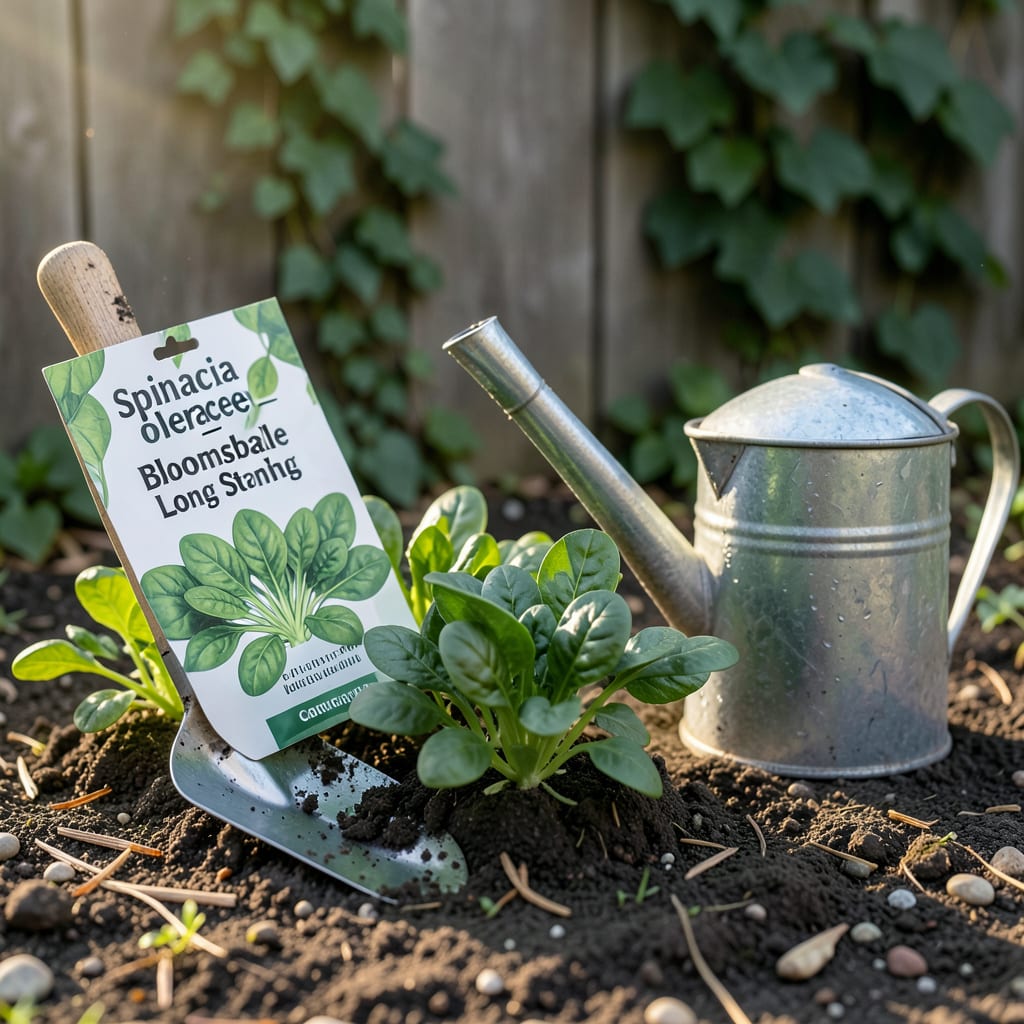
Georgia’s unpredictable springs can turn your spinach dreams into a bolted, bitter mess—unless you know the exact windows to plant. I’ve seen gardeners lose entire crops by waiting just 2 weeks too long, while others harvest sweet leaves well into summer.
The secret? Working with Georgia’s zones, not against them. Whether you’re in the mountains or the coastal plain, I’ll show you how to time your planting for maximum yield—and avoid the #1 mistake even experienced gardeners make with 🌱 spinach in this climate.
If you’ve ever watched your spinach bolt into bitterness before you could harvest, you know Georgia’s climate demands precision. The key is working with our state’s three distinct USDA zones—6a through 9a—where planting windows can vary by 4-6 weeks. I’ll break it down so you never miss your ideal sowing time again.
Georgia’s unpredictable springs and scorching summers mean spinach thrives in cool shoulders of the season. In Zone 6a (north Georgia mountains), you’ll plant earlier than Zone 9a (coastal areas). The secret? Fall plantings often outperform spring here, thanks to milder temperatures and fewer pests. Let’s dig into the specifics.
| USDA Zone | Spring Planting | Fall Planting | Last Frost Date |
|---|---|---|---|
| 6a (North GA) | March 1–20 | Aug 15–Sept 1 | April 10–20 |
| 7b (Atlanta) | Feb 20–March 15 | Sept 1–20 | April 1–15 |
| 8a (Middle GA) | Feb 10–March 1 | Sept 15–Oct 1 | March 20–30 |
| 9a (Coastal GA) | Jan 20–Feb 10 | Oct 1–15 | Feb 15–25 |
Pro Tip: Coastal gardeners can sneak in a winter crop (Dec–Jan) with row covers! 🌿
Notice how fall planting windows are wider than spring? That’s because Georgia’s summer heat arrives fast, but fall cools gradually. In Zone 9a, I’ve harvested spinach through December by using shade cloth to delay bolting. Even in Zone 6a, a cold frame can extend fall harvests by 3-4 weeks.
Soil temperature is your hidden ally. Spinach seeds germinate best at 50–60°F, so I use a soil thermometer to avoid guessing. In urban areas (like Atlanta’s heat islands), microclimates may let you plant 7–10 days earlier than rural spots. Always check your local frost dates—they’re more reliable than zone generalizations.
For succession planting, sow new seeds every 2 weeks during your zone’s window. This staggers harvests and prevents gluts. In Zone 7b, I plant ‘Tyee’ or ‘Space’ varieties—they’re bolt-resistant and thrive in Georgia’s humidity. Avoid ‘Bloomsdale’ if you’re south of Zone 7; it bolts too easily here.
If you’re in clay-heavy Piedmont soil, amend beds with compost or sand before planting. Spinach hates soggy roots, so raised beds work wonders in Zone 8a/9a’s wetter areas. Mulch with straw or pine needles to keep soil cool and moist—critical for preventing premature bolting in Georgia’s unpredictable springs.
Watch for false springs—those warm February spells that trick gardeners into planting too early. I’ve lost count of how many times a late March freeze wiped out eager spinach starts. When in doubt, wait until after your last frost date or use row covers for protection. Your patience will pay off in sweeter, slower-bolting leaves.
For container gardeners, spinach thrives in 12-inch-deep pots with drainage holes. Move containers to morning sun/afternoon shade as temperatures rise. In Zone 9a, I’ve grown spinach year-round in self-watering containers on my patio—just keep the soil consistently moist and feed with a balanced organic fertilizer every 3 weeks.
Remember: Georgia’s fall spinach often tastes sweeter than spring crops because cooler nights enhance sugar development. Start seeds indoors in late summer (about 6 weeks before your fall planting date) for a head start. Thin seedlings to 4–6 inches apart to avoid overcrowding, which invites pests like leaf miners in our humid climate. 🪴
Georgia’s heat can turn your spinach patch into a bolted disaster by May—unless you use these proven tricks to outsmart the weather. After years of trial and error, I’ve found that small adjustments make the difference between a 2-week harvest and 2 months of fresh leaves.
The first game-changer? Shade cloth. When daytime temps hit 75°F+, drape 30–40% shade cloth over your spinach between 12–4 PM. This simple step can delay bolting by 10–14 days in Zone 7b/8a, buying you extra harvest time. 🌿
Zone 9a Tip: Plant in partial shade (under tall tomatoes) for a late spring crop!
Here’s my secret weapon for Zone 6a gardeners: cold frames. By covering fall-planted spinach with a simple PVC hoop + plastic sheet, I’ve harvested through December in north Georgia. Ventilate on warm days to prevent overheating—80°F+ inside = bolting risk.
Soil prep matters more than you think. Before planting, mix in 1 inch of compost and a handful of worm castings per square foot. Spinach in Georgia’s clay soil (common in Piedmont) needs this boost for fast drainage. Test your pH—spinach thrives at 6.5–7.0. Too acidic? Add lime 2 weeks before sowing.
For container growers, choose self-watering pots to combat Georgia’s dry spells. I use 12-inch-deep containers with a mix of 60% potting soil and 40% coconut coir for moisture retention. Move pots to east-facing patios by May to avoid afternoon sun—this alone extends harvests by 3+ weeks.
Don’t overlook harvest timing. Pick outer leaves when they’re 3–4 inches tall, leaving the center to regrow. This “cut-and-come-again” method gives 3–4 harvests per plant. In Zone 9a, I’ve kept plants producing until June by harvesting every 3–4 days and providing afternoon shade. 🪴
Finally, watch for false springs—those warm February weeks that tempt you to plant early. Resist! A late frost (common in March) can wipe out tender seedlings. Instead, start seeds indoors under grow lights 4 weeks before your last frost date, then transplant. This gives you a head start without the risk.
Even experienced Georgia gardeners can sabotage their spinach crop without realizing it. I’ve seen perfectly good seeds fail because of five critical errors—most tied to our state’s finicky climate. The good news? Every one of these mistakes has an easy fix if you know what to watch for.
First up: planting too early in spring. Those warm February days in Zone 7b/8a trick gardeners into sowing, but a late frost (like Atlanta’s infamous March 15 freeze) can wipe out tender seedlings. Always check your local frost date, not just the zone average. 🌡️
Coastal Fix: Raise beds 6+ inches to combat soggy soil in Zone 9a!
Another silent yield-killer: wrong variety selection. ‘Bloomsdale Long Standing’ bolts fast in Zone 8a/9a heat, while ‘Tyee’ or ‘Space’ handle Georgia summers better. I lost an entire crop in Savannah by choosing a northern variety—now I stick to heat-tolerant types and succession plant every 10 days.
Georgia’s clay soil (especially in the Piedmont) suffocates spinach roots if not amended. Work in 2–3 inches of compost and perlite before planting. In Zone 6a, add pine fines to improve drainage—this alone can double your harvest. Container gardeners: Use a mix with 30% coconut coir to prevent compaction.
Watering mistakes wreck more spinach than pests do. Inconsistent moisture causes bitterness and bolting. Aim for 1 inch per week, delivered via drip irrigation to avoid wetting leaves (which invites fungal issues in our humidity). In Zone 9a, I water every morning at 6 AM—never evening—to prevent mildew. ✂️
Finally, don’t skip the shade cloth when temps hit 75°F+. I’ve rescued bolting spinach in Zone 7b by adding 30% shade from 12–4 PM. For fall crops, remove covers on warm days to prevent overheating. And always mulch with straw—it keeps soil 10°F cooler and deters slugs in our damp springs.
Harvest timing matters too. Waiting until leaves are 6+ inches makes them tough. Instead, pick outer leaves at 3–4 inches using scissors, leaving the center to regrow. This “cut-and-come-again” method gives 3–4 harvests per plant in Georgia’s long seasons. In Zone 6a, I’ve kept plants producing until Christmas with this approach!
Fall planting often outperforms spring in Georgia due to milder temperatures and fewer pests. Spring crops risk bolting when summer heat arrives suddenly, while fall spinach benefits from gradual cooling. Coastal gardeners (Zone 9a) can even sneak in a winter crop with row covers!
Use 30-40% shade cloth from 12-4 PM when temps hit 75°F+. Choose bolt-resistant varieties like ‘Tyee’ or ‘Space’, and mulch with 2-3 inches of pine straw to keep soil 10°F cooler. Succession planting every 10 days also helps avoid heat stress.
Use 12-inch-deep pots with drainage holes and a mix of 60% potting soil and 40% coconut coir. Move containers to morning sun/afternoon shade by May. Self-watering pots combat Georgia’s dry spells, and you can harvest year-round in Zone 9a with this setup.
Planting too early in spring! Warm February days trick gardeners, but late frosts (like Atlanta’s March 15 freeze) can destroy seedlings. Always check your local frost date—not just the zone average. Other pitfalls: ignoring soil pH (6.5-7.0 ideal) and overcrowding seeds.
Amend beds with 2-3 inches of compost and perlite before planting. In Zone 6a, add pine fines for drainage. Raised beds (6+ inches tall) work wonders in soggy areas. Container gardeners should use mixes with 30% coconut coir to prevent compaction.
