
Beautiful Plants For Your Interior
Beautiful Plants For Your Interior
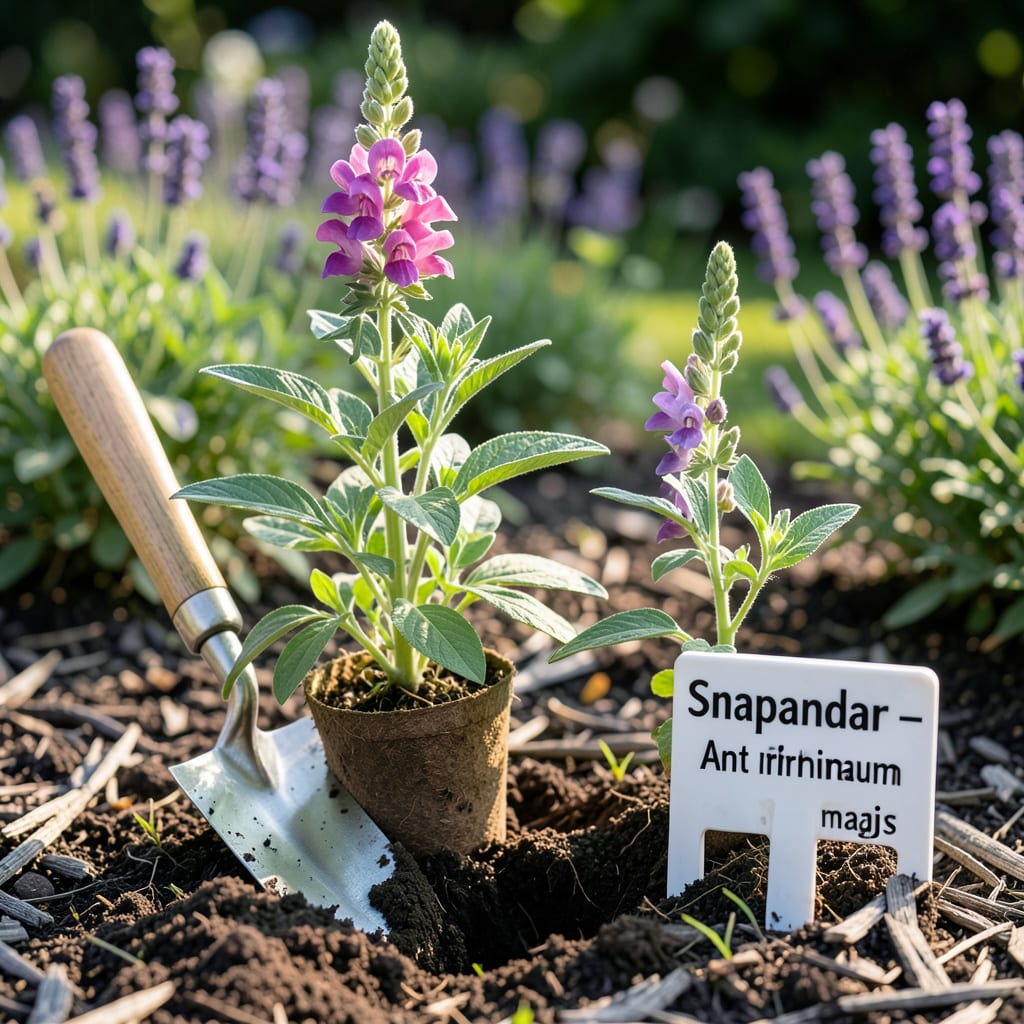
Imagine stepping into your garden to find vibrant snapdragons bursting with color—all season long. The secret? Perfect timing. In Zone 7, nailing that planting window means the difference between lackluster blooms and a showstopping display.
I’ve seen too many gardeners miss out by planting too early or too late. Whether you’re aiming for spring cheer or fall flair, we’ll break down the exact timing you need. Let’s set you up for snapdragon success—no guesswork required.
If you’re growing snapdragons in Zone 7, timing your planting is the secret to months of vibrant blooms. These cool-season favorites thrive when planted at the right moment—too early, and frost might nip them; too late, and summer heat can stunt their growth. I’ve found that spring and fall are both prime times, but each season has its quirks.
Zone 7’s last frost date (around April 15) and first frost (near October 15) are your bookends. For spring planting, aim for 4-6 weeks before the last frost—that’s late February to early March for seeds indoors, or early April for transplants. Fall planting? Get them in the ground 6-8 weeks before the first frost, so late August to early September.
| Season | Planting Window | Method | Notes |
|---|---|---|---|
| Early Spring | Feb–Mar | Start seeds indoors | Transplant after last frost (mid-April). |
| Spring | April–May | Direct sow or transplant | Soil temp should be 50–60°F. |
| Late Summer | Aug–Sep | Direct sow or transplant | Avoid planting during peak summer heat. |
| Fall | Sep–Oct | Transplant only | Establish roots before first frost for overwintering. |
💡 Pro Tip: Use a soil thermometer to check temps—snapdragons germinate best at 60–65°F.
For spring planting, I always recommend starting seeds indoors 6-8 weeks before the last frost. This gives your snapdragons a head start, so they’re ready to bloom by early summer. If you’re transplanting nursery-grown plants, wait until soil temperatures hit 50°F—usually early to mid-April in Zone 7.
Fall planting is my personal favorite for Zone 7. The cooler temperatures reduce stress on young plants, and they’ll establish strong root systems before winter. Plant in late August to early September, and you’ll often get a second flush of blooms in early spring. Just be sure to mulch heavily (2-3 inches) to protect roots from freezing.
Microclimates matter in Zone 7! If you’re in an urban area, buildings and pavement can create warmer pockets, letting you plant a week or two earlier. Rural gardens might need to wait a bit longer. Always check your local frost dates—they can vary even within the same zone.
Soil prep is non-negotiable. Snapdragons love well-draining soil with a pH of 6.2–7.0. Work in 2-3 inches of compost before planting, and space transplants 6–12 inches apart (closer for dwarf varieties, farther for tall types). Full sun (6+ hours daily) is ideal, but they’ll tolerate partial shade in hotter areas.
Want to extend your snapdragon season? Try succession planting: sow a new batch every 3-4 weeks from early spring to late summer. This staggers blooms so you’ll have color from April through November. In Zone 7’s heat, a light shade cloth during July–August can prevent wilting.
Watch for common Zone 7 challenges like powdery mildew (space plants for airflow!) or aphids (blast them off with water). If summer heat causes leggy growth, pinch back stems by one-third to encourage bushier plants. With the right timing and care, your snapdragons will reward you with waves of color!
Still unsure? Grab a notebook and track your local conditions—soil temp, frost dates, and bloom times—for a few seasons. You’ll soon dial in the perfect planting window for your exact spot in Zone 7. Happy gardening! 🌷
Choosing between spring and fall planting for snapdragons in Zone 7 isn’t just about timing—it’s about strategy. I’ve tested both approaches, and each has distinct advantages. Spring planting gives you early summer blooms, while fall planting often delivers stronger plants that bounce back in spring.
The key difference? Root establishment. Fall-planted snapdragons develop deeper roots during cooler months, making them more resilient. Spring-planted ones race against rising temperatures, which can shorten their bloom period. Let’s break down the trade-offs so you can decide what works best for your garden goals.
💡 My Take: For low-maintenance color, fall planting wins. For cut flower production, spring is better.
If you’re after cut flowers, spring planting is your best bet. I start seeds indoors in late February and transplant in early April. This schedule ensures blooms by early June, perfect for bouquets. Just be ready to water consistently as temperatures climb—snapdragons wilt fast in Zone 7’s summer heat.
For year-round garden impact, fall planting can’t be beat. Plant transplants in early September, and they’ll establish roots before winter. Come spring, they’ll explode with blooms weeks earlier than spring-planted counterparts. I’ve had fall-planted snapdragons survive mild Zone 7 winters and rebloom the following year!
Here’s a trick I swear by: Do both! Plant a spring batch for early color, then add a fall batch for overwintering. This staggered approach gives you snapdragons from April through November. In Zone 7’s urban heat islands, fall plants often outperform spring ones due to less stress.
Watch for one critical mistake: planting fall snapdragons too late. If they don’t establish roots before frost, they won’t survive winter. Aim for at least 6 weeks before your first frost date (around October 15 in most of Zone 7). Mulch with 2-3 inches of straw to insulate roots.
Still debating? Try a small test plot! Plant half your snapdragons in spring and half in fall, then compare their performance. I did this my first year and was shocked by how much hardier and longer-blooming the fall-planted ones were. Now, I dedicate 70% of my snapdragon space to fall planting—it’s that reliable.
Even experienced gardeners can mess up snapdragon timing in Zone 7. I’ve seen it happen—wilted plants from late spring heat or frost-damaged fall plantings. The good news? These mistakes are easy to avoid once you know what to watch for. Let’s tackle the three biggest timing errors I see in Zone 7 gardens.
First up: ignoring soil temperature. Many gardeners focus on air temps or frost dates but forget that snapdragons need soil above 50°F to thrive. Planting in cold, wet soil leads to rot, while scorching summer soil stresses young plants. I always use a soil thermometer—it’s a game-changer for perfect timing.
💡 Quick Fix: Use a soil thermometer and mark your calendar for April 15 (last frost) and October 15 (first frost).
The second mistake is misjudging frost dates. Zone 7’s average last frost is April 15, but microclimates vary. I’ve lost count of how many gardeners plant too early after a warm spell, only to lose tender snapdragons to a surprise frost. Always check your local frost dates—urban areas may be safer earlier, while rural spots might need to wait.
Third, overcrowding plants seems harmless but causes big problems. Snapdragons need 6–12 inches of space for airflow, especially in Zone 7’s humid summers. I learned this the hard way when my tightly packed snapdragons developed powdery mildew. Now I space them generously and thin seedlings early for healthier plants.
Here’s a pro tip: Stagger your plantings. Instead of planting all your snapdragons at once, sow seeds every 2–3 weeks from early spring to late summer. This ensures continuous blooms and reduces the risk of losing your entire crop to a heatwave or unexpected frost. In Zone 7, I’ve had best results with plantings in early April, late May, and late August.
Finally, don’t forget mulching—it’s your secret weapon for timing flexibility. A 2-inch layer of straw protects roots from temperature swings, letting you plant a week earlier in spring or later in fall. I’ve extended my snapdragon season by 3–4 weeks just by mulching well. Pair this with consistent watering (1 inch per week), and you’ll outsmart Zone 7’s finicky weather every time. 🌷
Summer planting isn’t ideal in Zone 7 due to extreme heat. Snapdragons prefer cooler temperatures and may struggle to establish roots. If you must plant in summer, choose late August when temperatures start dropping, and provide afternoon shade and consistent watering.
Apply a 2-3 inch layer of mulch (straw or shredded leaves) around the base of plants before the first frost. For extra protection, cover plants with frost cloth on nights when temperatures drop below 32°F. This helps roots survive and ensures spring regrowth.
Both work, but starting seeds indoors 6-8 weeks before last frost (late February) gives you more variety options. Transplants save time and are great for fall planting. If you’re short on time, nursery transplants planted in early April or early September are foolproof.
Leggy growth usually means they’re reaching for light or stressed by heat. In Zone 7’s summers, provide partial shade during peak afternoon hours and pinch back stems by one-third to encourage bushier growth. Consistent watering also prevents stress-induced stretching.
Yes! Many varieties are cold-hardy and will regrow in spring if properly mulched. Fall-planted snapdragons often overwinter successfully, especially in urban areas where temperatures stay slightly warmer. Cut back dead foliage in early spring to make way for new growth.
