
Beautiful Plants For Your Interior
Beautiful Plants For Your Interior
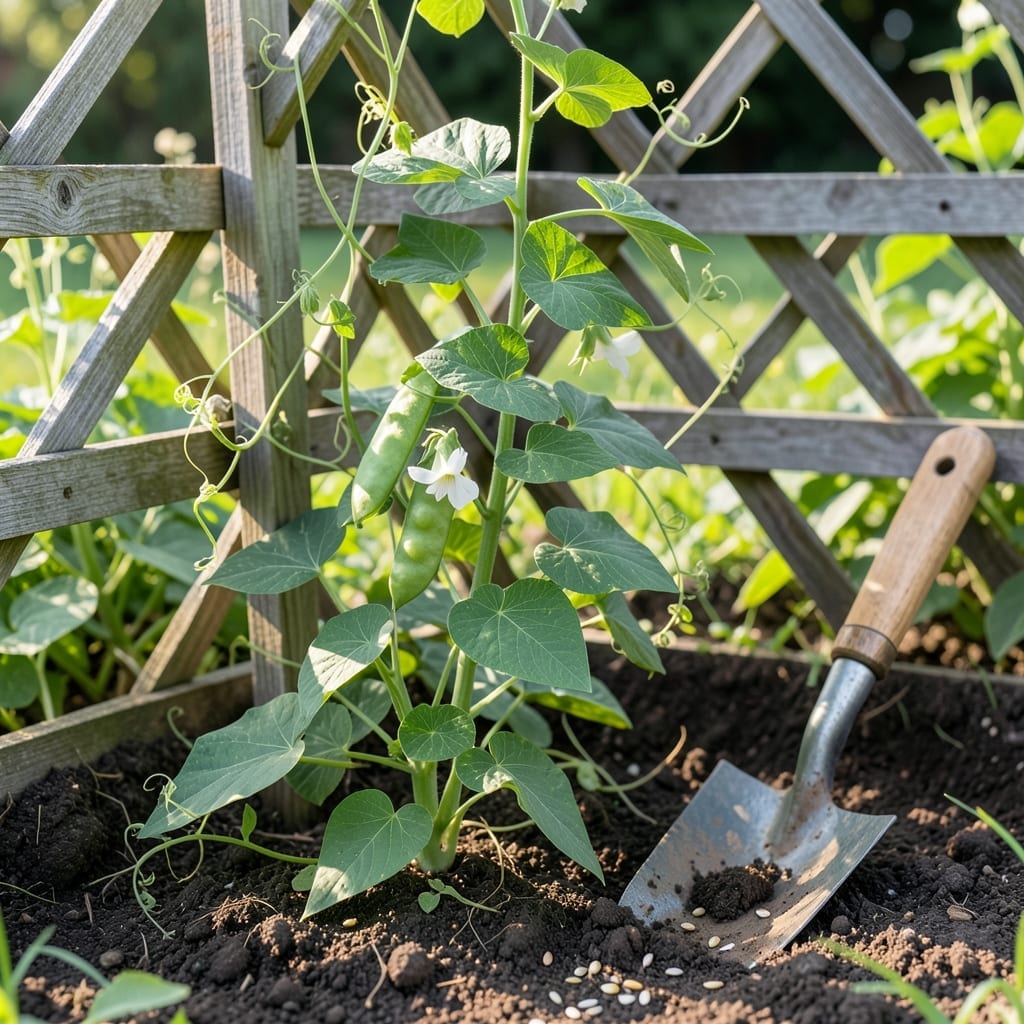
Timing can make all the difference between a bountiful harvest and a disappointing one. When it comes to growing Snap Pea 🌱 in Oregon, knowing the right window is the key to success.
Our state’s unique climate zones create varied conditions that affect when you should get those seeds in the ground. Plant too early or too late, and you might miss out on the sweetest pods of the season.
I’ve learned through experience that Oregon’s 8b zone offers a specific advantage for spring planting. The secret lies in working with, not against, our local weather patterns.
Let me walk you through how to pinpoint the perfect moment to start your Snap Pea crop, ensuring you’ll be enjoying fresh, crisp pods when the time is right.
Oregon’s diverse USDA zones from 4 to 9 mean planting times vary widely. Coastal areas stay milder, while inland valleys heat up faster in spring. This diversity is a gift for gardeners who understand it.
For most of the state, early spring planting works best. I aim for 4-6 weeks before the last frost date when the soil becomes workable. In zone 8b, that’s typically February to April.
The coastal regions enjoy the earliest starts. I’ve had success planting as early as January in zone 9, where frost is rare. The ocean’s moderating influence creates perfect conditions for early snap peas.
In the Willamette Valley (zone 8), I recommend starting seeds indoors in late February for an early jump. Direct sowing works well by mid-March when the soil warms sufficiently.
For the high desert and mountainous areas (zones 4-5), patience is key. Wait until May when all frost danger has passed. The soil takes longer to warm in these elevations.
The Columbia Gorge offers unique microclimates. Its wind protection and consistent temperatures allow for March planting in most years. I always check the soil temperature with a thermometer before planting.
Remember that microclimates can create variations even within the same zone. South-facing slopes warm faster, while low-lying areas may stay cooler longer. Observe your specific garden conditions.
For all regions, succession planting can extend your harvest. I plant a new batch every 2-3 weeks until early summer for continuous production. This works especially well in Oregon’s mild climate.
Snap peas prefer cool weather and will bolt in summer heat. In warmer zones, a fall planting in late August can produce another crop before winter sets in.
Choosing between spring and fall planting for snap peas in Oregon depends on your zone and goals. Both seasons offer advantages, but timing is crucial to avoid heat stress or early frosts.
I’ve found spring planting works best in most regions, allowing peas to mature before summer heat causes bolting. However, fall planting can be ideal for extending the harvest in milder coastal areas.
For spring planting, I start seeds 4-6 weeks before the last frost date. In zone 8b, that means February to early March. The soil needs to be at least 40°F for germination.
Fall planting works best in zones 7-9, where I sow seeds 8-10 weeks before the first frost. This ensures pods mature before cold weather hits. In Portland, that’s typically late August to early September.
Soil preparation differs slightly between seasons. In spring, I focus on warming the soil with black plastic or row covers. For fall, I ensure the soil stays moist but not soggy as rains increase.
One pitfall to avoid is planting too late in spring. If seeds go in after mid-April in zone 8, the plants may struggle with summer heat before producing a full harvest. I’ve learned this the hard way!
Fall crops need extra protection. I use row covers to guard against early frosts and extend the growing season by a few precious weeks.