
Beautiful Plants For Your Interior
Beautiful Plants For Your Interior
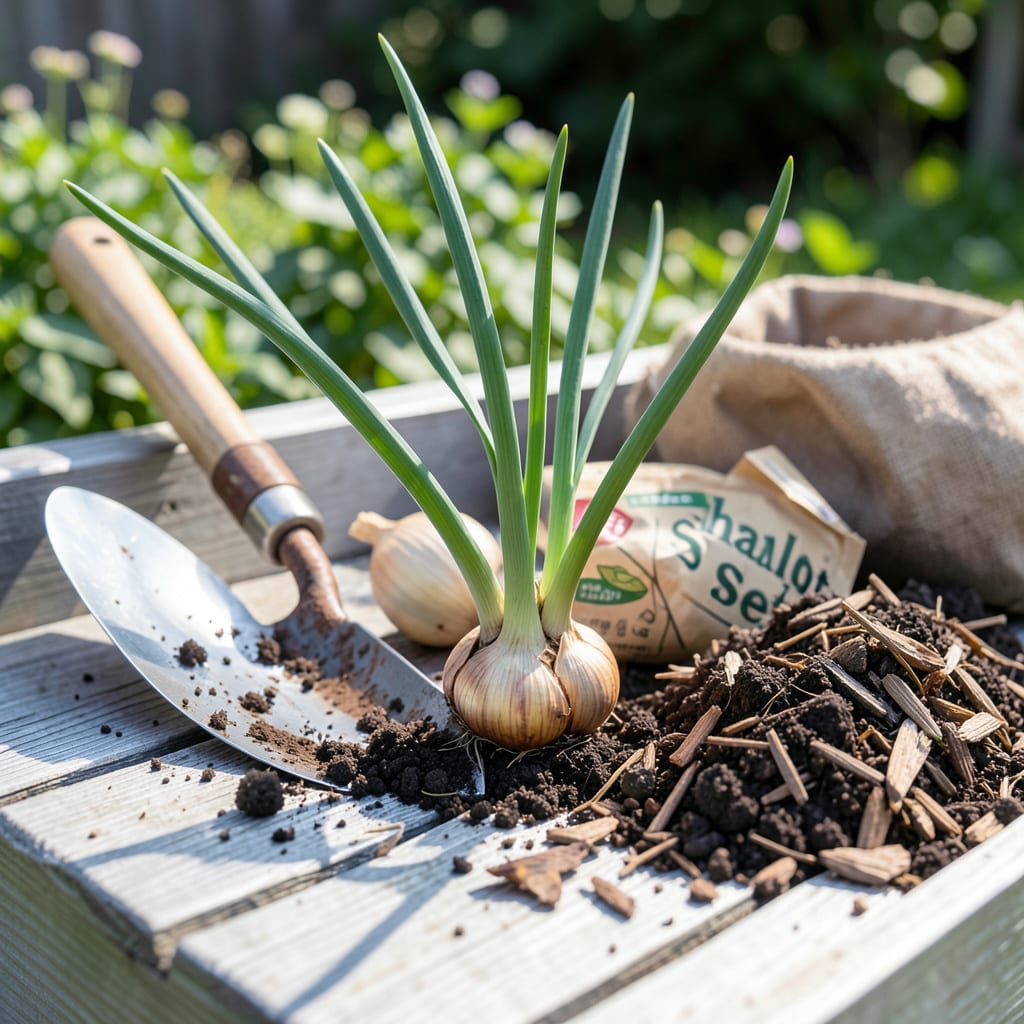
Timing can make or break your shallot harvest in Zone 7—plant too late, and you’ll get puny bulbs. Too early? Risk rot or frost damage. I’ve seen gardeners struggle with this balance, but the good news is, it’s easier than you think to get it right.
Whether you’re aiming for a fall or spring crop, I’ll break down the exact windows that work best here. No guesswork, just proven timing for plump, flavorful 🧅 shallots—plus the simple tweaks that double your success rate.
If you’re growing shallots in Zone 7, fall planting is your golden ticket to bigger, sweeter bulbs. The secret? Timing it just right—late September to early November—so the cloves establish roots before winter but don’t sprout tops too early. This head start means 240–260 days of growth, yielding plump, flavor-packed shallots by next spring.
Zone 7’s first frost date (around October 15) is your cue. Aim to plant 4–6 weeks beforehand, giving roots time to anchor without exposing tender greens to freezing temps. Soil temps should hover around 50–60°F—cool enough to prevent sprouting but warm enough for root development. Trust me, this window makes all the difference!
| Planting Task | Zone 7 Timeline | Key Notes |
|---|---|---|
| Ideal Fall Window | Late Sept–Early Nov | Plant 4–6 weeks before first frost (Oct 15) |
| Soil Temp | 50–60°F | Use a thermometer to check 4″ depth |
| Spacing | 6″ apart, 2″ deep | Closer spacing = smaller bulbs |
| Mulch | After planting | 3–4″ straw to insulate over winter |
| Harvest Time | April–May | When tops yellow & flop |
| Variety Picks | French Grey, Dutch Yellow | Cold-hardy, large bulb producers |
Why does fall planting win? It’s all about the vernalization process. Shallots need a cold period (below 40°F for 4–6 weeks) to trigger bulb formation. In Zone 7, winter provides this naturally—no fridge tricks required! Spring-planted shallots often skip this step, resulting in smaller, less flavorful bulbs.
Here’s my pro tip: Soak cloves in compost tea for 30 minutes before planting. This gives them a nutrient boost and reduces transplant shock. And don’t skimp on organic matter—work in 2–3 inches of compost to ensure loose, well-draining soil. Shallots despise soggy roots!
If you’re worried about winter heaving (where freeze-thaw cycles push cloves out of the soil), add an extra inch of mulch after the ground freezes. I’ve found shredded leaves work just as well as straw—and they’re free! Come spring, you’ll see vibrant green shoots emerging as soon as the soil warms.
For container gardeners, fall planting is still doable! Use a 12″-deep pot with drainage holes, and move it to a sheltered spot (like a garage) during hard freezes. Just
One mistake I see often? Planting grocery-store shallots. While it’s tempting, these are often treated to prevent sprouting. Instead, order certified disease-free sets from a reputable supplier. Varieties like ‘Ambition’ or ‘Pikant’ thrive in Zone 7’s climate and resist bolting (premature flowering).
By mid-April, your shallots will be racing toward harvest. Look for yellowing tops and neck softening—that’s your signal to dig. Let them cure in a dry, airy spot for 1–2 weeks before storing. Fall-planted shallots often store 6–8 months, giving you homegrown flavor year-round! 🌱
Still unsure? Try a small test patch your first year. Plant a dozen cloves in late September and another batch in early October, then compare the results. I bet you’ll see why fall planting is the Zone 7 gardener’s secret weapon for restaurant-quality shallots! ✂️
While fall planting gets most of the glory, spring-planted shallots in Zone 7 still have their place—especially if you missed the autumn window. The key? Nailing the timing between late February and early March, just as the soil becomes workable. This gives your shallots 90–120 days to mature before summer heat kicks in.
In Zone 7, our last frost date (around April 15) is your deadline. Plant 4–6 weeks before this so cloves establish roots before warm weather triggers top growth. Soil temps should be at least 40°F—use a thermometer to check! Spring-planted shallots won’t get the cold vernalization benefit, but with the right care, they’ll still reward you with a summer harvest.
To compensate for smaller bulb size, I recommend starting with transplants instead of sets. Varieties like ‘Ambition’ or ‘Pikant’ are bred for spring planting and resist bolting. If using sets, soak them overnight in lukewarm water to jumpstart growth. Plant 1 inch deep (shallower than fall) and 4 inches apart to allow for quicker maturation.
Mulching is non-negotiable for spring shallots. Apply 2–3 inches of straw immediately after planting to retain moisture and suppress weeds. Zone 7’s spring rains can be unpredictable, so well-draining soil is critical. Amend with compost and sand if your soil is heavy clay. I’ve found raised beds work exceptionally well for spring plantings!
Watch for pests like onion maggots—they’re more active in spring. Cover young plants with floating row covers until they’re established. Fertilize lightly with a 5-10-10 blend at planting, then again when tops reach 6 inches tall. Avoid high-nitrogen fertilizers, which promote leafy growth at the expense of bulbs.
Harvest when tops yellow and flop, usually by late June or early July. Spring-planted shallots won’t store as long as fall-planted ones, so use them within 3–5 months. For best flavor, cure them in a shady, breezy spot for 5–7 days before storing. While they may not be as large as fall-grown shallots, their milder, fresher taste is perfect for summer dishes! 🌱
Even experienced gardeners can sabotage their shallot crop with simple oversights. The biggest mistake I see in Zone 7? Planting at the wrong depth. Bury cloves too deep (over 2 inches), and they’ll rot. Plant too shallow (under 1 inch), and they’ll heave out of the soil during winter freezes.
The sweet spot is 1.5–2 inches deep, with the pointy end up. Use a ruler to check your first few plants—it’s easier than you think to misjudge! For spring plantings, err on the shallow side (1 inch) since the soil warms faster near the surface.
Planting when soil is below 40°F stalls root growth. Fall plantings need 50–60°F; spring plantings can tolerate 40°F+.
Fix: Use a soil thermometer—$10 saves a failed crop!
Soggy soil = rot. Shallots need consistent moisture, not swampy conditions. 1 inch per week (including rain) is plenty.
Fix: Water deeply once at planting, then wait until soil dries to 1″ depth.
Shallots hate compacted soil. Without loose, well-draining earth, bulbs stay stunted. Aim for pH 6.0–7.0.
Fix: Mix in 2″ compost + 1″ sand before planting.
Another common blunder: using grocery-store shallots. These are often treated with sprout inhibitors or may carry diseases. Always source certified disease-free sets from nurseries. I learned this the hard way after losing an entire bed to white rot—a fungus that lingers in soil for years!
For Zone 7 gardeners, timing miscalculations are fatal. Plant fall shallots after Sept 15 but before Nov 1—too early and they’ll sprout prematurely; too late and roots won’t establish. Spring plantings must go in by March 15 to avoid bolting in summer heat. Mark these dates on your calendar!
Finally, don’t forget mulch—but use the right type. Straw or shredded leaves work best; avoid wood chips, which can tie up nitrogen. Apply 3–4 inches after planting, then add 1 more inch after the ground freezes. This simple step prevents winter heaving and weeds while retaining moisture. 🌿
Planting after early November in Zone 7 risks poor root establishment before winter. Cloves need 4–6 weeks pre-frost to anchor properly. Late plantings often yield smaller bulbs or fail to survive freezing temps.
It’s risky! Store-bought shallots are often treated to prevent sprouting and may carry diseases. For best results, use certified disease-free sets from nurseries. Varieties like ‘French Grey’ or ‘Dutch Yellow’ are reliable choices.
Apply 3–4 inches of straw or shredded leaves after planting. Add another 1 inch once the ground freezes to prevent heaving. Avoid wood chips—they can deplete soil nitrogen.
Bolting usually happens when planted too late (after mid-March) or exposed to temperature swings. Choose bolt-resistant varieties like ‘Ambition’ and keep soil consistently moist. Remove flower stalks promptly to redirect energy to bulb growth.
For fall planting, bury cloves 1.5–2 inches deep. Spring plantings can be slightly shallower (1 inch) since soil warms faster. Always plant with the pointy end up for proper growth.
