
Beautiful Plants For Your Interior
Beautiful Plants For Your Interior
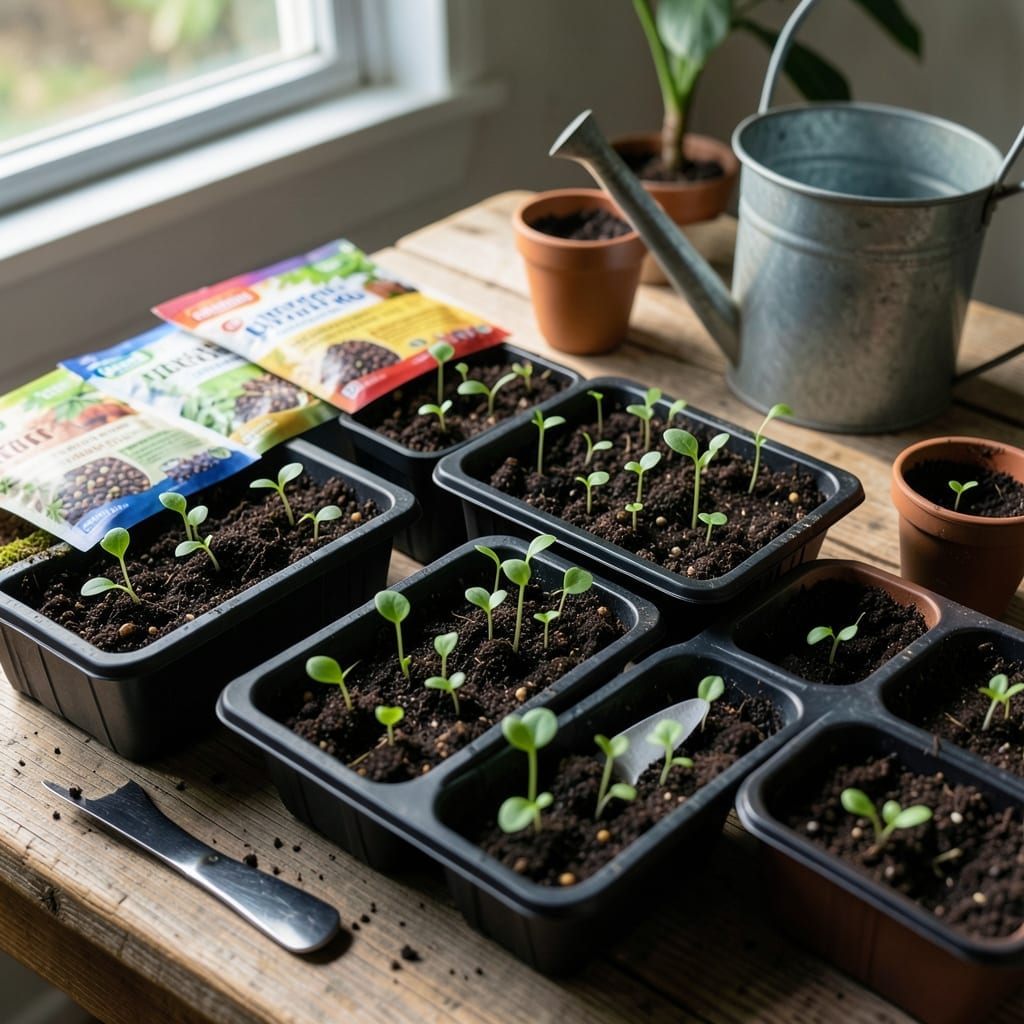
Starting seeds indoors can be a game-changer for your garden, but timing is crucial. Plant too early or too late, and your 🌱 General Seedlings may struggle to thrive.
In Zone 6, the sweet spot is typically February through April. This window gives your seedlings enough time to grow strong before the last frost.
I’ll help you pinpoint the exact timing based on your specific plants and local conditions. Let’s ensure your indoor seed starting sets you up for a bountiful season.
Timing your indoor seed starting perfectly can make or break your garden. Each USDA hardiness zone has unique last frost dates that dictate when to begin.
For example, Zone 6 gardeners should start most vegetable seeds 6-8 weeks before their last frost date around April 15th.
| Zone | Last Frost Date | Start Seeds Indoors |
|---|---|---|
| 3-4 | May 15 | March 1-15 |
| 5 | April 15 | February 15-March 1 |
| 6 | April 15 | February 1-March 1 |
| 7 | April 1 | January 15-February 1 |
In Zone 5, you’ll want to begin tomato seeds indoors about 8 weeks before your last frost, typically mid-February.
For Zone 7, where winters are milder, you can start pepper seeds as early as January for a head start on the growing season.
Remember that flower seeds often have different requirements than vegetable seeds. For instance, petunias need about 10-12 weeks indoors.
Always check your seed packet for specific instructions, as some plants like cucumbers resent being transplanted and do better with shorter indoor periods.
I recommend using a garden journal to track your planting dates and adjust based on your local microclimate and weather patterns.
The key is to work backward from your transplant date, counting the weeks needed for germination and growth to seedling size.
Don’t forget that light requirements increase as your seedlings grow, so have your grow lights ready to supplement natural light.
🌱Calculating your indoor seed starting dates isn’t guesswork—it’s a simple formula. I always start by finding my last frost date, then count backward based on each plant’s needs.
For most vegetables like tomatoes and peppers, you’ll want 6-8 weeks of indoor growth before transplanting. Fast growers like lettuce may only need 4-6 weeks.
I use a garden planner app to track these dates automatically. It’s a lifesaver for keeping my schedule organized across multiple plant varieties.
Remember that slow germinators like parsley or celery need extra time—sometimes 10-12 weeks indoors. Don’t rush these; patience pays off.
If you’re in a warmer zone, you might start seeds later, but avoid waiting too long. Even in Zone 9, some plants benefit from an indoor head start.
Finally, keep a seed starting journal to refine your timing each year. Weather varies, and your notes will help you adjust for better results next season.
🌱